



Turn anti-doping commitments into action - Kelebeng
05 Nov 2026
African countries have been urged to move beyond commitments and strengthen practical measures to fight doping in sport.
The operative measures to fight doping in sport will take effective legislation, institutional capacity, adequate resources and cooperation between governments and anti-doping organisations.
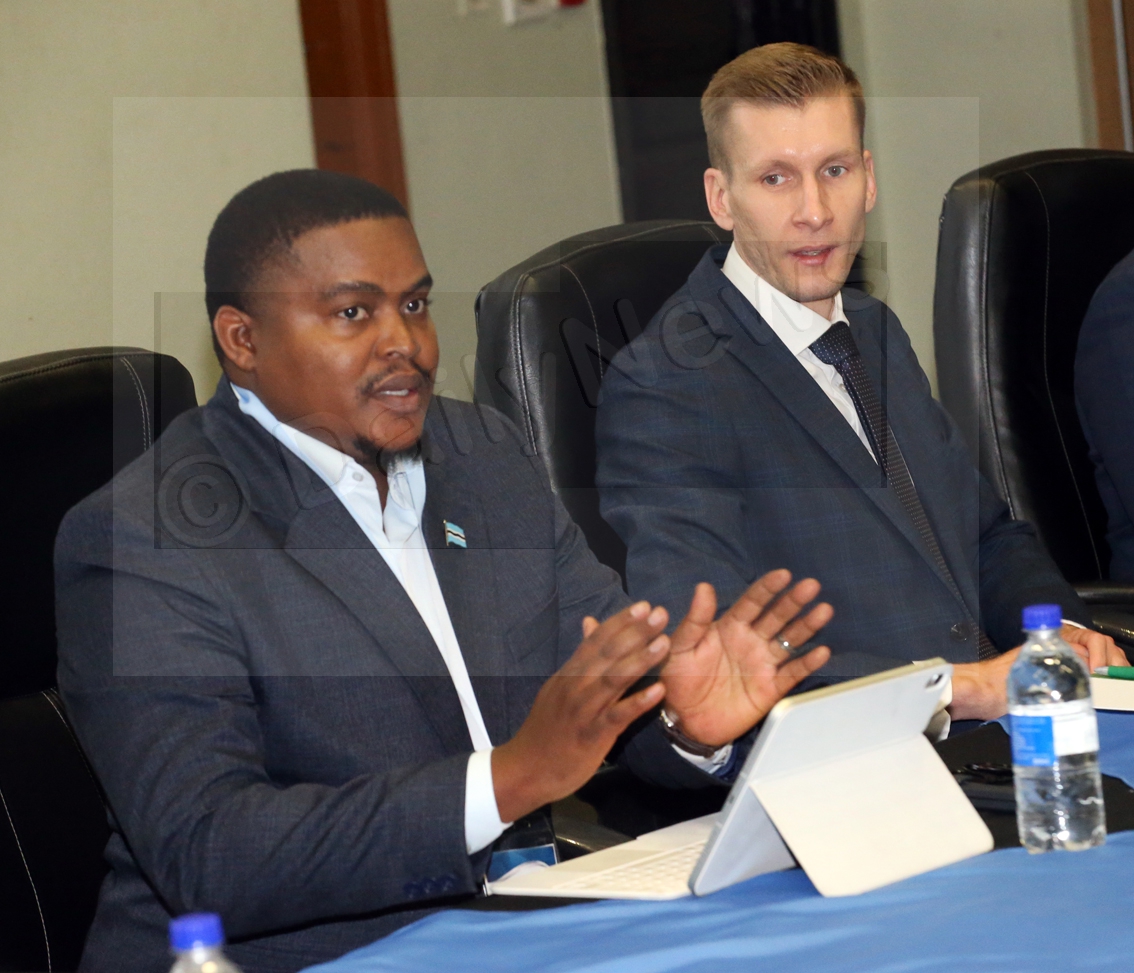
The call was made by the Minister of Sport and Arts, Jacob Kelebeng officiating at the three-day United Nations Educational, Scientific and Cultural Organisation (UNESCO) Regional Capacity Building Programme for African States Parties to the International Convention Against Doping in Sport in Gaborone on Tuesday.
“Doping attacks the spirit of sport, endangers the health of clean athletes and erodes public trust. Protecting sport requires government leadership, strong institutions, sound laws and international cooperation,” he said.
Kelebeng said Botswana had strengthened its legislative framework through the passing of the Anti-Doping Act in 2025 and was now establishing a fully-fledged national anti-doping organisation with the governance and capacity to deliver its mandate.
“Ratification is a promise. Compliance is proof,” he said, emphasising that countries should translate their commitments under the UNESCO convention into action.
Minister Kelebeng said the 10th Conference of Parties held in October 2025, has found 16 African states parties non-compliant, citing limited capacity, weak coordination and gaps in legal and operational frameworks as some of the challenges.
He said Botswana’s experience had demonstrated that legislation was only the beginning, as effective systems required sustained political will, technical expertise, adequate resources and strong partners.
In his remarks, the Estonian representative, Raido Mitt said the effectiveness of anti-doping systems depended on cooperation between governments and national anti-doping organisations, noting that both had important responsibilities.
He further said the three-day capacity building programme was jointly funded by the Estonian government and the Botswana National Commission for UNESCO, building on the cooperation between the two countries.
He explained that the UNESCO convention provided the legal framework for government action, including legislation, funding, education and cooperation between public agencies, while the World Anti-Doping Code set common rules for sport and its signatories.
“Doping extend beyond elite sport, as the use of performance and image-enhancing substances in recreational sports and fitness settings is also a public health concern. The illegal trade in prohibited substances can also generate profits for organised crime,” he said.
For many years, Mr Mitt said Estonia had made voluntary financial contributions to the Fund for the Elimination of Doping in Sport, adding that supporting countries to identify their needs and plan activities could deliver what was important in strengthening compliance.
He expressed delight that the programme also provided an opportunity to share practical experiences on government responsibilities, legislation, funding and anti-doping control.
The National Commission of Botswana to UNESCO secretary general, Itseng Kwelagobe said the programme demonstrated the strength of collaboration within the UNESCO family and the partnership between the Botswana and Estonia National Commissions for UNESCO.
He said the relationship had grown through sustained dialogue and shared commitment to UNESCO’s mandates, connecting people and institutions and creating opportunities between the two countries.
Kwelagobe said the programme brought together participants from 11 African countries, providing an opportunity for learning, dialogue and cooperation.ENDS
Source : BOPA
Author : Lorato Gaofise
Location : Gaborone
Event : UNESCO
Date : 05 Nov 2026
Related News
05 Nov 2026

05 Nov 2026
Dolphins through to East Division Elite 16 stage
05 Nov 2026
Spinning fanatics in for treat
04 Nov 2026
Radiakanyo pens ZESCO Ndola Girls deal

04 Nov 2026