


Waste to wealth Initiative to transform rural communities
03 Nov 2026
What if the plastic polluting the environment could become a source of income, while food and farm waste could help restore agricultural soils? In the Western Kalahari, Cheater Conservative Botswana is working to turn this possibility into reality through an innovative, community-led circular economic initiative aimed at strengthening rural livelihoods and environmental resilience.
Targeting communities in Ghanzi District, the initiative seeks to transform waste into valuable products while creating alternative income-generating opportunities, improving waste management and promoting sustainable natural resource use.
By empowering community trusts to establish and operate viable waste-to-product enterprises, the organisation hopes to reduce dependence on livestock-based livelihoods and social protection programmes while strengthening community participation in environmental conservation.
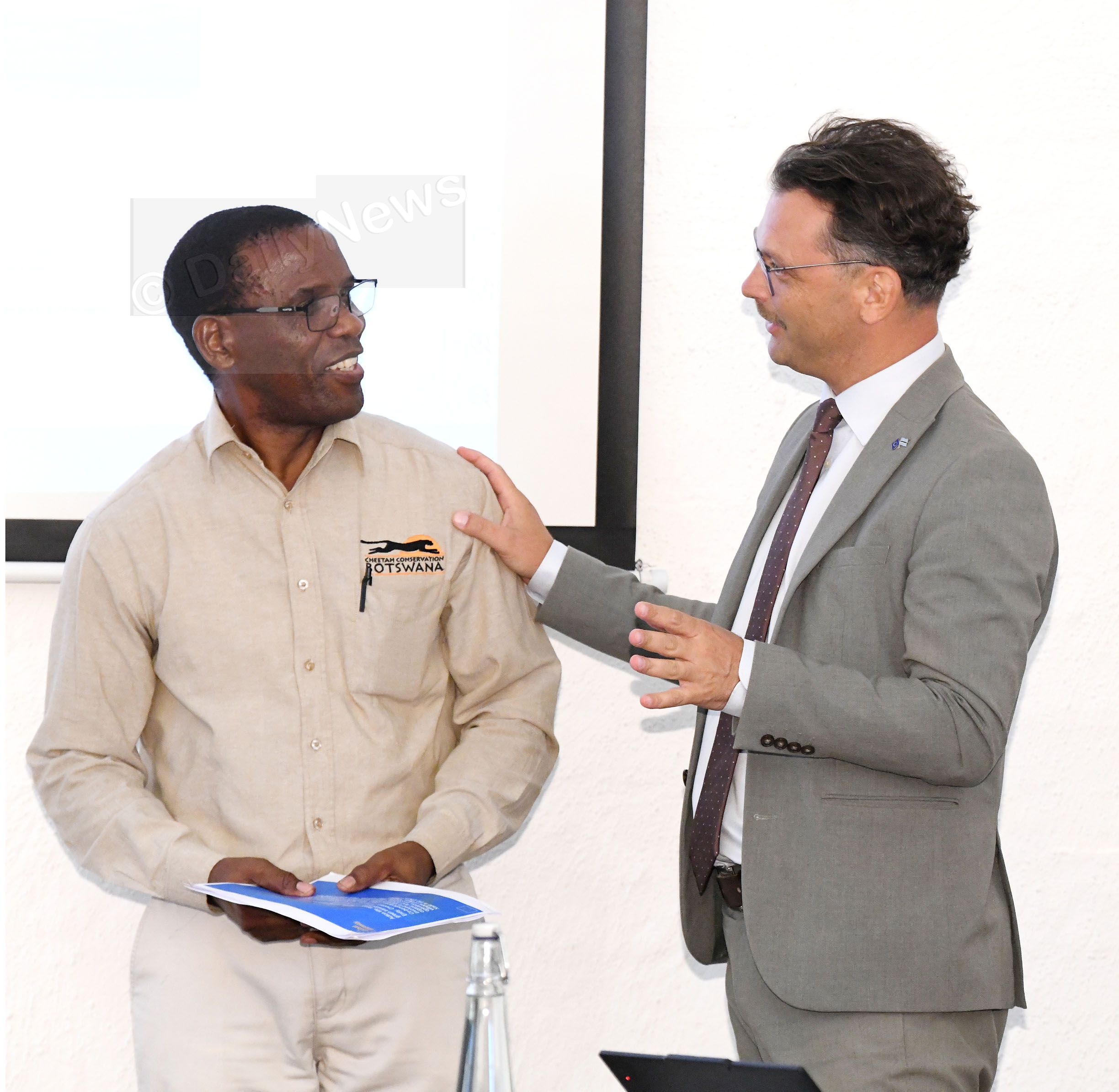
In an interview with the organisation’s Operations manager, Mr Douglas Thamage in Gaborone, recently, he said the initiative addresses interconnected socio-economic and environmental challenges through practical solutions that link environmental sustainability with economic empowerment. “The project is built around two key interventions: the Recycled Paver Pilot Project and the Organic Fertilizer Pilot Project,” he said. Mr Thamage said through the Recycled Paver Pilot Project, plastic and other suitable waste materials would be transformed into paving blocks, giving discarded materials a second life while creating opportunities for local enterprise development.
He said a small-scale recycling and production unit would be established, with community members receiving training in recycling, paver production and business management.
He further said the project aimed to produce and market its first batches of paving blocks to local buyers, creating potential revenue streams for participating community trusts and supporting local employment.
Beyond generating income, he said the intervention was expected to encourage better waste collection, sorting and recycling practices, reducing plastic pollution in communities, adding that its long-term success would depend on sufficient market demand for the paving blocks and a consistent supply of suitable waste materials. Mr Thamage said complementing this intervention, the Organic Fertiliser Pilot Project would convert food and farm waste into organic fertiliser, offering farmers an affordable alternative to synthetic fertilisers while reducing organic waste sent to dumpsites.
Planned activities include installing and operating dehydration machinery, training farmers and community trust members and commencing the first production cycles.
Mr Thamage said the initiative was expected to help lower agricultural input costs, improve soil health and promote sustainable farming practices, adding that it also sought to enhance the profitability of the Exatheni Veld Product Centre (EVPC) in Ghanzi, while contributing to ecological regeneration and food security. He said its success would depend on reliable machinery, sufficient organic waste supplies and farmers’ confidence in the quality of the fertiliser.
“Together, the two interventions aim to establish a practical circular economy in which discarded materials are recovered, processed and returned to productive use,” he said. Furthermore, he said through technical training, business skills development and production facilities, community trusts would gain the capacity to manage sustainable enterprises and generate lasting economic benefits.
He pointed out that the initiative also carried an important conservation dimension, saying by improving waste management, reducing pollution and promoting healthier soils, “it seeks to improve environmental conditions within communities and surrounding wildlife corridors.”
He said diversified livelihood opportunities could further strengthen human-wildlife coexistence by reducing pressure on livestock-dependent economies and encouraging responsible environmental stewardship.
Mr Thamage said expected milestones included an operational recycling unit, trained community members, marketed paving blocks, functioning dehydration machinery and the first organic fertiliser production cycles, adding that the activities were expected to contribute to employment, improved waste management, lower farming costs and diversified livelihoods.
Ultimately, he said Cheater Conservative Botswana aimed to demonstrate that environmental challenges could become economic opportunities when communities were equipped with the skills, resources and support to drive change. If successful, the pilot projects could provide a model for expanding community-based recycling and organic fertiliser production across rural Botswana. ENDS
Source : BOPA
Author : Lesedi Thatayamodimo
Location : Gaborone
Event : Interview
Date : 03 Nov 2026
Related News

03 Nov 2026

03 Nov 2026
Cooperative movement empowers youth

02 Nov 2026
El Nino threatens inflation outlook
02 Nov 2026