


Artists confident creativity will endure AI revolution
03 Nov 2026
Local artists remain optimistic about their future despite the growing influence of artificial intelligence (AI), which is transforming the creative industry and raising questions about originality, authenticity and the value of human talent.
While AI-powered tools are making it easier and cheaper to produce creative content, some artists fear that the technology could undermine traditional artistic skills and create unfair competition.
Others, however, view it as an opportunity to enhance their work, acquire new skills and reach wider audiences.
Digital creator, writer and animator, Try Gaotlhobogwe, known for producing Setswana animations, science lessons and content inspired by Botswana’s myths and folklore, said AI had significantly supported his creative work.
He explained that although he could independently produce educational content in Setswana, storytelling through music and animation required skills he did not possess.
“Without AI, I would still be explaining physics and general natural science in Setswana, but storytelling would remain a future ambition,” he said.
Gaotlhobogwe said using AI was faster and more affordable than outsourcing music composition and animation, particularly because his online content business was still developing.
He added that he made efforts to avoid copyright infringement by using original lyrics inspired by the stories he produced.
“From my perspective, AI has been empowering for the most part,” he said, while acknowledging the potential negative effects of AI-generated content on the creative industry.
Author of a Setswana novel: Sefefo, Mitchell Kgosithebe, said AI could improve creativity and artistic standards if used responsibly.
However, she cautioned that misuse of the technology could threaten human creativity, emphasising that AI should support rather than replace artists.
“Artists deserve recognition, protection and opportunities for their original work,” she said.
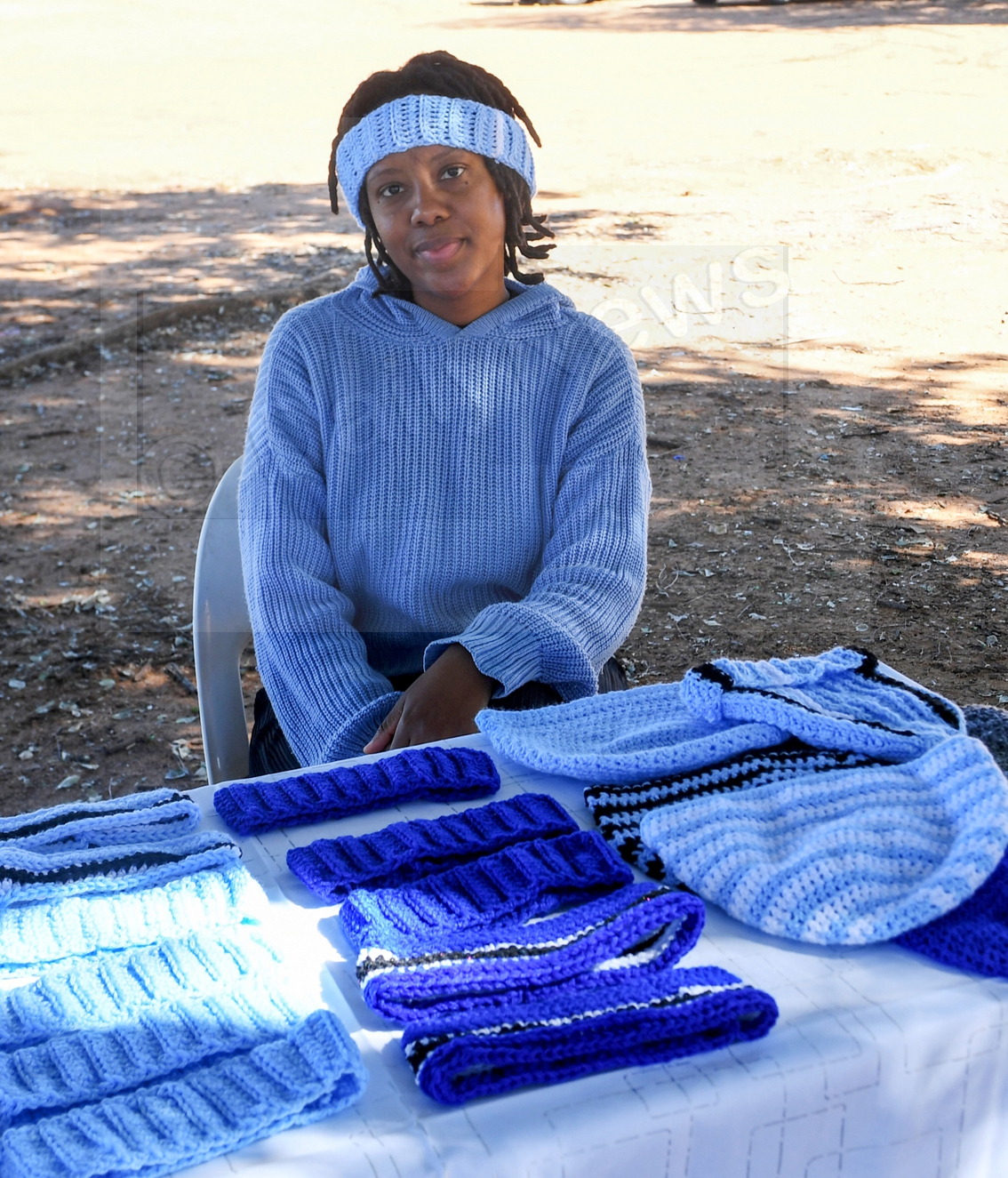
Similarly, Lorato Motswagae, founder of Aus Lolah Crockets, said AI has helped her handcraft business, improve branding and marketing through posters and social media content.
Nevertheless, she expressed concern that AI-generated products could undermine handmade crafts because they were often cheaper and easier to produce in large quantities.
She said consumers might opt for less expensive machine-generated products at the expense of authentic handmade work.
Another artist Emmanuel Boefelo: an author, cultural promoter radio contributor and known as Mmasekgethu in poetry circles also warned that AI could overshadow originality and disadvantage creatives who relied on their natural talent and acquired skills.
He argued that the technology has made it possible for almost anyone to produce content and identify themselves as an artist, potentially creating unfair competition.
“AI is a good tool if it is used to put icing on an already-made cake, not to make the whole cake,” he said.
Meanwhile, Oliver Gaolaolwe, popularly known as Oliver The Poet, believes AI and human creativity can coexist.
He said the technology could help artists develop skills and access knowledge that might otherwise remain beyond their reach.
Gaolaolwe explained that AI could assist creatives with practical tasks, such as learning how to prepare proposals, while allowing them to concentrate on their artistic abilities.
He maintained that the outcome depended on how people chose to use the technology, adding that he was not afraid AI would replace his talent.
Christian author and poet Kgosi Kooagile said AI was not the end of literature but a development that challenged writers to become more deliberate about the value of their work.
He noted that AI could assist with research, editing, organisation and promotion, while digital platforms enabled local authors to reach readers beyond geographical boundaries.
However, he stressed that generating text was different from taking responsibility for authorship.
“Literature draws strength from observation, memory, environmental understanding, moral judgement, imagination and the courage to confront human complexity,” he said.
Kooagile added that writers remained accountable for the meaning, accuracy and integrity of their work.
Visual artist, Wame Bodutu of Art By Wame, remain confident in the future of her Afrocentric art because of its authenticity, texture and originality.
She believes future generations will continue to appreciate the human touch evident in her creations, although acknowledging that AI-generated artwork was increasingly threatening traditional artistic practices.
Multidisciplinary visual artist and eco-creator Kennet Bale, known as Artistic Bale, also believes human creativity will retain its value because people will continue to seek emotional connection and authentic storytelling.
He said traditional art carried history, cultural identity and the human experiences that technology could not fully reproduce.
Bale maintained that the future of the creative industry depended on artists embracing innovation without sacrificing authenticity, cultural depth and emotional expression.
Despite differing views on AI, the artists share a common concern: technology should create opportunities for creativity rather than diminish the value of human talent. ENDS
Source : BOPA
Author : Keetile Bontsibokae
Location : Molepolole
Event : Feature
Date : 03 Nov 2026
Related News
02 Nov 2026
02 Nov 2026
Mmaabo o Thaile Bomo second edition coming
29 Oct 2026
Pelo Ya Monna helps men confront struggles
29 Oct 2026