


El Nino threatens inflation outlook
02 Nov 2026
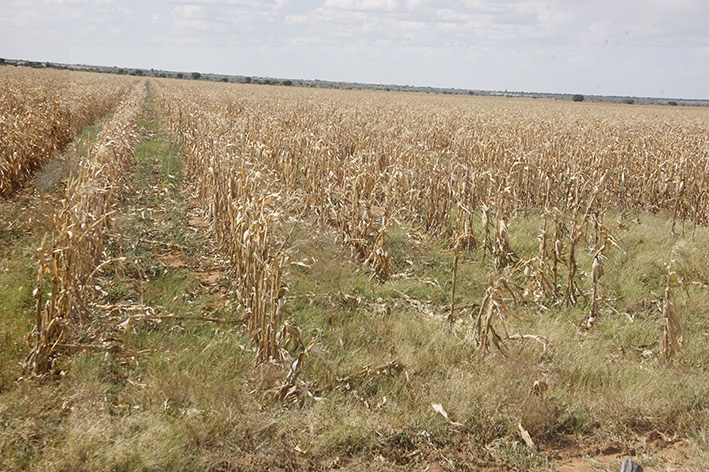
El Nino effects including below normal rainfall, droughts, heatwaves, crop failure and livestock deaths present an additional upside risk to the inflation outlook.
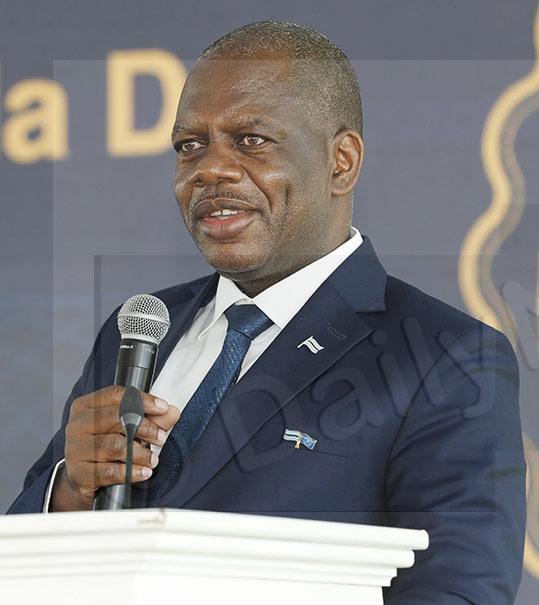
Presenting the Monetary Policy Committee (MPC) report in Gaborone on October 30, Bank of Botswana Governor, Mr Lesego Moseki indicated that externally, elevated prices for oil, gas, fertilisers and industrial inputs resulting from the ongoing conflict in the Middle East, were also expected to continue exerting upward pressure on inflation.
Mr Moseki highlighted that increased global trade tensions and tariff measures were also expected to heighten inflationary pressures.
“However, inflation could be lower than projected if domestic and global economic activity remains subdued, fiscal space remains tight, or if international commodity prices fall.
The inflation outcome could also be affected by changes in administered prices that are not factored in the current projection,” Mr Moseki said.
Against this background, he stated that continued vigilance and careful management of inflation expectations were necessary to ensure that inflation reverted to the medium-term objective range.
Mr Moseki noted that overall, risks to the inflation outlook were tilted to the upside mainly due to potential second-round effects stemming from the relatively higher domestic fuel prices and electricity tariffs, as well as the under-recovery in domestic fuel prices.
Moreover, Mr Moseki stated that the bank had reported a headline inflation decrease from 9.3 per cent in August to 7.8 per cent in September, remaining above the 3 – 6 per cent medium term objective range.
He attributed the decline mainly due to base effects associated with the increase in domestic fuel prices on 15 September 2025, which had added 0.93 percentage points to headline inflation.
This, he said was against a backdrop of global economic resilience, despite challenges arising from shifting trade relations, supply chain disruptions and geopolitical tensions, particularly the ongoing conflict in the Middle East.
He said the MPC nonetheless expects inflation to remain above the objective range because of higher cost of fuel and electricity and revert in the second quarter of 2027.
“Inflation is projected to average 8.1 per cent in 2026 before moderating to 5.4 per cent in 2027,” he said.
Mr Moseki cautioned that there was upward pressure on prices globally that could result in inflation remaining high in the short term due to higher commodity prices and continued uncertainty surrounding the duration and resolution of the conflict.
Additionally, he said Real gross domestic product (GDP) grew by 3.7 per cent in the 12 months to June 2026, compared with a contraction of 2.9 per cent in the corresponding period ending June 2025.
The recovery in economic activity, he said were underpinned by a stronger performance of the mining sector adding that overall economic performance remains weak, constrained by subdued global economic conditions, slow progress in economic transformation and low productivity.
He highlighted that overall, external developments had contributed to an increase in the cost of living in Botswana and may undermine the recovery of the global diamond market, thereby weighing on domestic economic performance. ENDS
Source : BOPA
Author : Thato Mosinyi
Location : Gaborone
Event : Monetary Policy Committee report
Date : 02 Nov 2026
Related News

02 Nov 2026

30 Oct 2026
Climate smart and conservation agric inevitable


29 Oct 2026