


Netumbo A Leader Beyond Politics steals show at Bantu Film
26 Oct 2026
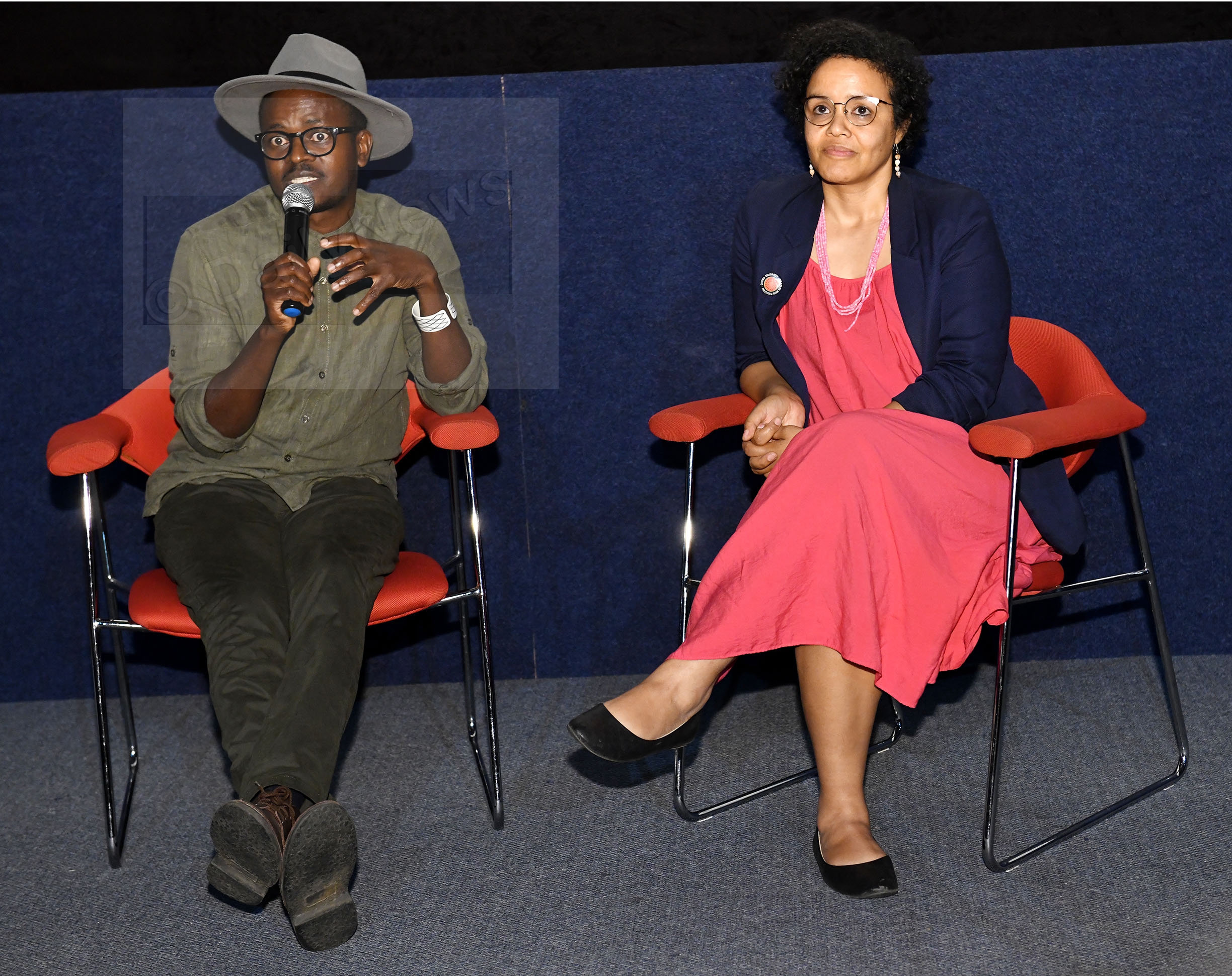
Among the films screened at the annual Bantu Film Festival, one documentary telling the story of Namibia’s first female President stood out.
Netumbo: A Leader Beyond Politics tells the story of President Netumbo Nandi-Ndaitwah, Namibia’s first woman President. The documentary captures her life, tracing her journey from her country’s fight for freedom to the presidency. It is persuasive, moving and informative, following her from a humble childhood in northern Namibia, through years of exile and her rise within the South West Africa People’s Organisation (SWAPO), to the highest office in the country.
The film tells enough of her story to show how Namibia fought a 24-year liberation struggle against South African rule. Its measured pace allows viewers to follow how each chapter of her life led to the next.
Central to the documentary is the idea that every stage of her life was formative. Colonial rule, her father’s refusal to abandon traditional beliefs and the liberation struggle are not merely historical background; they are the forces that shaped her. Her politics did not begin in office. She was raised in an environment of resistance, and the film makes this case with quiet confidence.
One particularly revealing scene portrays her father, a reverend at a local church, navigating the tension between Christianity and traditional cultural practices. Activities such as omaludi, an annual cattle and cultural festival, were at odds with some Christian beliefs. However, her father maintained that embracing Christianity did not require abandoning their culture, allowing the festival to continue annually.
The use of archival material further strengthens the documentary, helping viewers connect with both Nandi-Ndaitwah’s personal journey and Namibia’s broader history. Old footage of her younger years is woven into the country’s historical narrative, bringing the past to life. Seeing the President through these moments, rather than merely hearing about them, makes the history feel immediate. By linking her personal experiences to the national struggle, the film ensures that viewers remain connected to the story.
Authenticity is another of the documentary’s strengths, particularly through the voices of those who share their experiences. Some contributors speak in their native languages, with subtitles making their testimonies accessible to a wider audience. Rather than smoothing over these voices or re-recording them, the film preserves their original sound. The occasional imperfect English also lends the accounts a sense of honesty rather than rehearsed polish, enhancing the documentary’s credibility.
The film is equally moving. Scenes depicting Nandi-Ndaitwah’s upbringing and her father’s convictions provide emotional depth, while the accounts of exile and the long road to freedom convey the sacrifices behind her eventual success. These moments make it difficult to watch without reflecting on the cost of the freedom Namibia ultimately achieved.
Beyond its emotional appeal, the documentary serves an educational purpose by explaining Namibia’s journey to independence.
It is as much a history lesson as it is a portrait of a political leader. Younger viewers, who may know Nandi-Ndaitwah as President but have limited knowledge of the struggle that preceded her leadership, may find it particularly valuable.
However, the documentary has its limitations, especially in the range of voices represented. Its contributors are largely people close to the President, including her husband and the Vice President, alongside what appeared to be a single ordinary citizen.
A broader range of perspectives from ordinary Namibians, including more critical voices, could have added depth and complexity to the narrative. Such diversity would have strengthened the documentary had its intention extended beyond a tribute to offer a more rounded biographical account.
Nevertheless, Netumbo: A Leader Beyond Politics is a thoughtful, well-paced documentary that earns its emotional impact. It demonstrates how identity is shaped by adversity and how a leader’s personal history can become inseparable from that of a nation.
Despite its title, the film does not truly separate Nandi-Ndaitwah from politics.
She has been involved in political life for much of her life, making the phrase “beyond politics” more appropriate when understood as a reference to the person beyond the power and responsibilities of public office, rather than a life lived apart from public service.
In this sense, the documentary succeeds in making its case. By the end, Nandi-Ndaitwah’s leadership appears not to be a matter of fortune, but the culmination of a life shaped by history, conviction and the struggle for national freedom. ENDS
Source : BOPA
Author : Loago Thomas
Location : Gaborone
Event : Documentary
Date : 26 Oct 2026
Related News


28 Oct 2026
Gospel Jazz show set for Molapo

27 Oct 2026
Magamole rising House-Kwasa star
27 Oct 2026
Gong Master Remembrance Show returns to Ranaka

26 Oct 2026