Filmmakers call for ownership of African stories
22 Oct 2026
African filmmakers have called for control over their stories and intellectual property, warning that funding agreements and external influences can compromise authentic African representation in the global film industry.
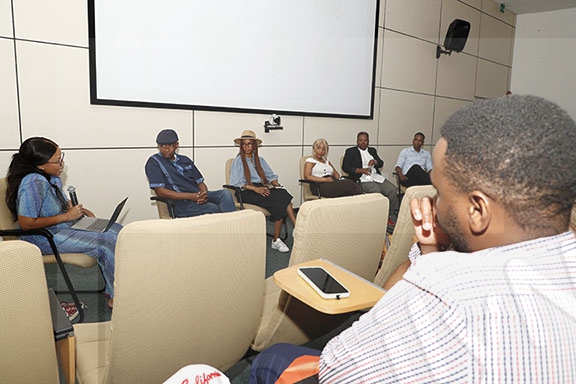
The call was made during a Bantu Film Festival panel discussion titled Directors Lens: Who Owns the Story? Power, Authorship and Creative Value on the Global Stage held at the University of Botswana Library Auditorium on October 21. Writer and director at Abil Films, Moabi Mogorosi, said ownership meant retaining control of a story throughout the production process.
“For me, ownership means control of the narrative,” he said, expressing concern that some films misrepresented African experiences and family structures. Mogorosi argued that African filmmakers should tell their own stories to ensure authentic representation.
Meanwhile, Tulie Media LLC writer and director Thato Mwosa highlighted the financial challenges independent filmmakers face in retaining ownership of their work.
Mwosa said she spent about five years developing a film before exploring alternative ways to finance its production.
“I make films by any means necessary,” she said, emphasising her determination to complete projects despite funding challenges.
She noted that ownership could become complicated when funders came on board as they could seek a stake in a project and influence its development.
Multimedia producer and screenwriter Yolisa Letshwene said filmmakers needed to understand the distinction between intellectual property ownership and financial equity. She explained that intellectual property determined the rights creators held over their work, while equity concerned financial stakes and returns. Letshwene urged filmmakers to familiarise themselves with contracts and distribution agreements to protect their rights and future earnings.
“Being very diligent about understanding what those contracts mean is quite crucial,” she said.
Science communicator, filmmaker and storyteller Tumi Sejoe said ownership was closely linked to the time invested in developing authentic stories.
“I think the defining attribute to that is time,” she said, arguing that filmmakers needed to understand their cultures and creative processes before using artificial intelligence (AI) as a production tool.
“If you’re ignorant to that, then you’re going to use AI ignorantly,” Sejoe said. Writer and director Moreetsi Gabana of Mainane Studio challenged the perception that Botswana’s small population limited the international appeal of its stories.
“We might be a population of 2.5 million, but there’s power in that,” he said. Gabana argued that filmmakers could reach international audiences by remaining true to their identities and cultural backgrounds rather than unnecessarily altering their stories to suit foreign markets.
“The more specific and more localised your stories are, the more internationally they travel,” he said.
The discussion, moderated by producer and content strategist Masego Mohwasa, explored the importance of creative control, fair financing and intellectual property protection in strengthening African storytelling and expanding its global reach. ENDS
Source : BOPA
Author : Tankiso Mogapi
Location : Gaborone
Event : Bantu Film Festival
Date : 22 Oct 2026
Related News
22 Oct 2026
21 Oct 2026
Springline Fashion Show returns Saturday
20 Oct 2026