


Security key to economic development
21 Oct 2026
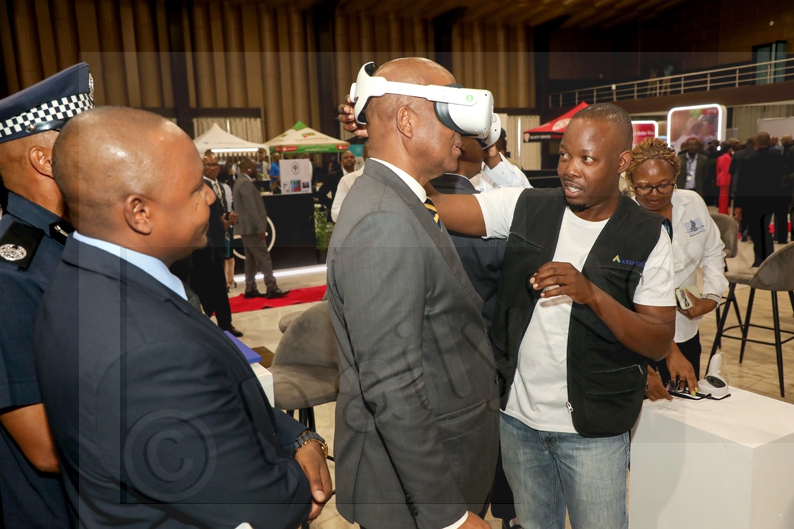
Security is one of the foundations upon which economic activity depends, Minister for State President, Defence and Security, Mr Moeti Mohwasa has said.
Officially opening the 18th Business Botswana Conference on October 19, Mr Mohwasa said no economy could flourish where businesses feared for their assets, workers felt unsafe, supply chains were vulnerable and investors doubted their investments would be protected.
He said Botswana had established institutions and legal frameworks to protect public safety, maintain law and order and enforce the law, and that the police service, together with other relevant security and law-enforcement institutions, played a critical role in safeguarding citizens, businesses and national economic interests.
“We must continue strengthening the capacity of these institutions to respond to evolving threats while upholding the rule of law and protecting the rights of all people,” he said.
Mr Mohwasa said the economic consequences of crime must never be underestimated, noting that robberies, attacks on cash-in-transit operations, ATM bombings and other forms of violent crime could damage businesses, increase operating costs and undermine investor confidence.
“Where the risks to people and property become excessive, capital may be redirected elsewhere, businesses may scale back operations and employment opportunities may be lost,” he said.
He said government must equally confront corruption and the perception of corruption, as it diverted resources, distorted competition, increased the cost of doing business and undermined confidence in public institutions.
“Investors must be able to compete on the strength of their proposals, products and services, rather than their access to improper advantages,” he said, adding that government’s commitment must be to transparent processes, accountable institutions and consistent application of the law.
Mr Mohwasa said the rule of law was central to a functioning economy, as businesses needed predictable regulations, enforceable contracts, fair dispute-resolution mechanisms and confidence that property and legitimate commercial interests would be protected.
He said government must ensure that laws governing public safety, policing and economic integrity remain responsive to changing circumstances, while security measures must be lawful, proportionate and accountable.
He said government must create a predictable business environment, improve administrative efficiency and remove unnecessary barriers to investment, including delays in licences, approvals, land access and essential services.
Alive to the limits of public expenditure, he said government could not indefinitely remain the principal investor, customer and engine of economic activity.
“We need a stronger partnership in which public policy enables enterprise, private capital expands productive capacity, and businesses create sustainable employment,” he said.
Mr Mohwasa challenged businesses to rise to the demands of the moment, to go beyond short-term opportunities and dependence on government contracts, and to innovate, adopt technology, develop local suppliers and compete beyond borders.
He said transformation must be visible in agriculture, manufacturing, tourism, digital services, renewable energy, logistics and knowledge-based industries, adding that Botswana must position its businesses to benefit from SADC and the African Continental Free Trade Area (AfCFTA).
Mr Mohwasa cited Statistics Botswana indicators pointing to economic pressures, including a merchandise trade deficit of approximately P1.9 billion in July 2026 and annual inflation of 7.8 per cent in September 2026, underlining the importance of strengthening domestic production.
He said citizen empowerment must enable Batswana to build enterprises that survive beyond individual contracts, while public-private partnerships must be founded on sound project appraisal, transparent risk allocation and value for money.
For his part, Francistown Mayor, Mr Gaone Majere, said for Francistown, economic transformation must translate into tangible outcomes, making it easier to start and operate a business, having infrastructure that supported economic activity and creates opportunities for investment.
Mr Majere said ease of doing business must be felt at city level, where a business owner interacts with council on planning, development, trading and licences.
“When these processes are slow or unclear, they add to the cost of doing business. As a council, we therefore have a responsibility to ask, can we make it easier for businesses to operate in Francistown,” he said.
He said council must explore public-private partnerships in property development, markets, tourism facilities, waste management, renewable energy and transport infrastructure, and is supporting green energy, recycling, eco-tourism and horticultural markets.
He said Francistown had a geographical advantage as a gateway to Zimbabwe, Zambia and the wider SADC region, and should be positioned not simply as the second city, but as an investment and business hub with its own economic identity.
Mr Majere said Meetings, Incentives, Conferences and Exhibitions (MICE) could contribute to the broader economy, as delegates spend on accommodation, transport, food and retail.
The conference is held under the theme: From Dialogue to Delivery: Business Driving Economic Transformation. ENDS
Source : BOPA
Author : Thamani Shabani
Location : FRANCISTOWN
Event : Official opening
Date : 21 Oct 2026
Related News

21 Oct 2026
21 Oct 2026
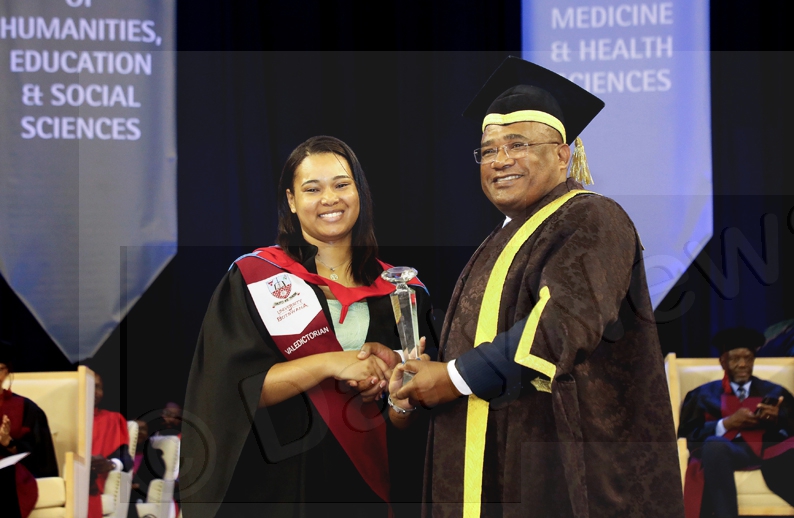
Over 4 000 graduates
21 Oct 2026
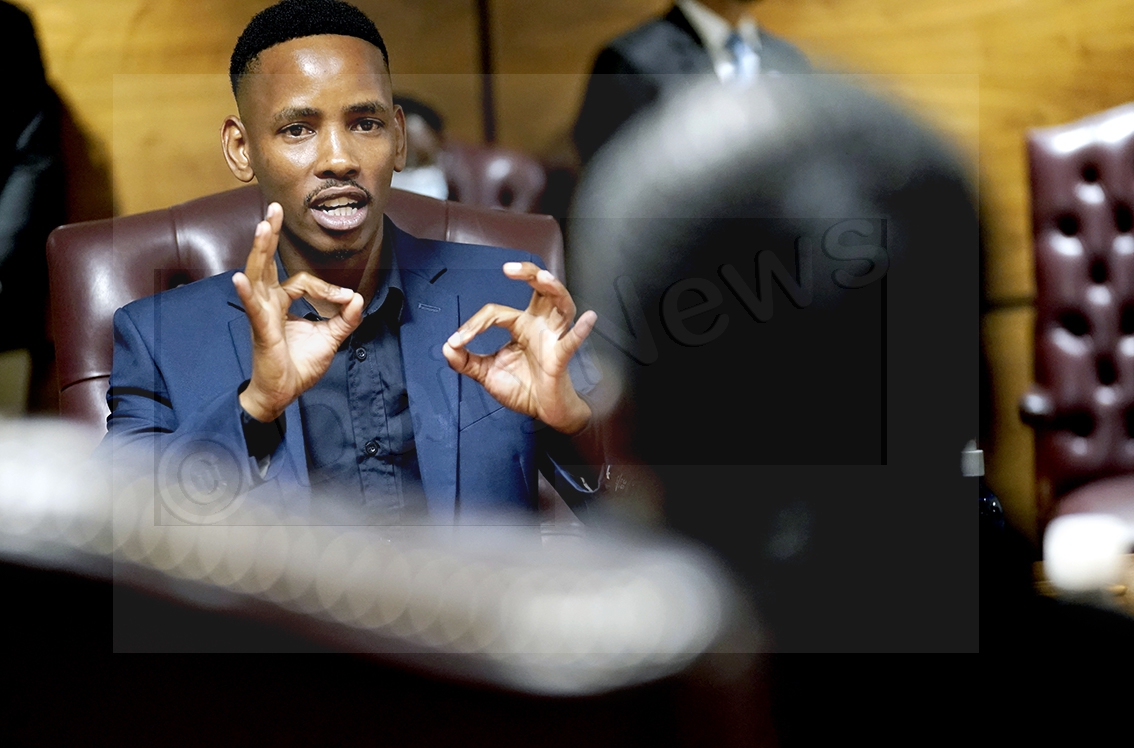
MP proposes sign language as official language

20 Oct 2026