


RADP training targets self-sufficiency in livestock feed production
21 Oct 2026
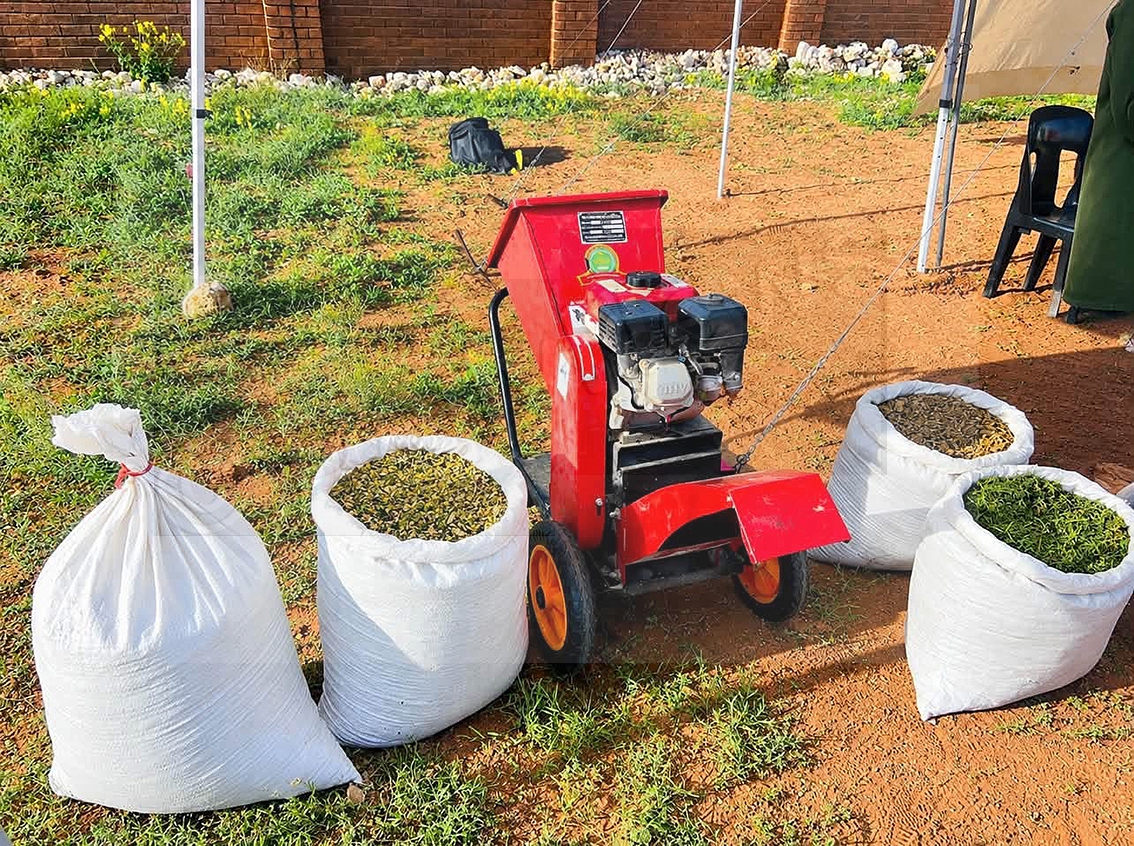
The National Remote Area Development Programme (RADP) Farm Management and Capacity Development training, a collaboration between the Ministry of Local Government and Traditional Affairs and Tsabong District Council, is tipped to build resilient agricultural systems and reduce the nation’s reliance on costly feed imports.
Centred around the theme: Promoting sustainable fodder production for resilient livestock systems in RADP farms, the intensive training brought together 35 participants representing key livestock areas across the country including Tsabong, Ghanzi, Charleshill, Mahalapye, Hukuntsi, Mabutsane, Serowe, and Boteti.
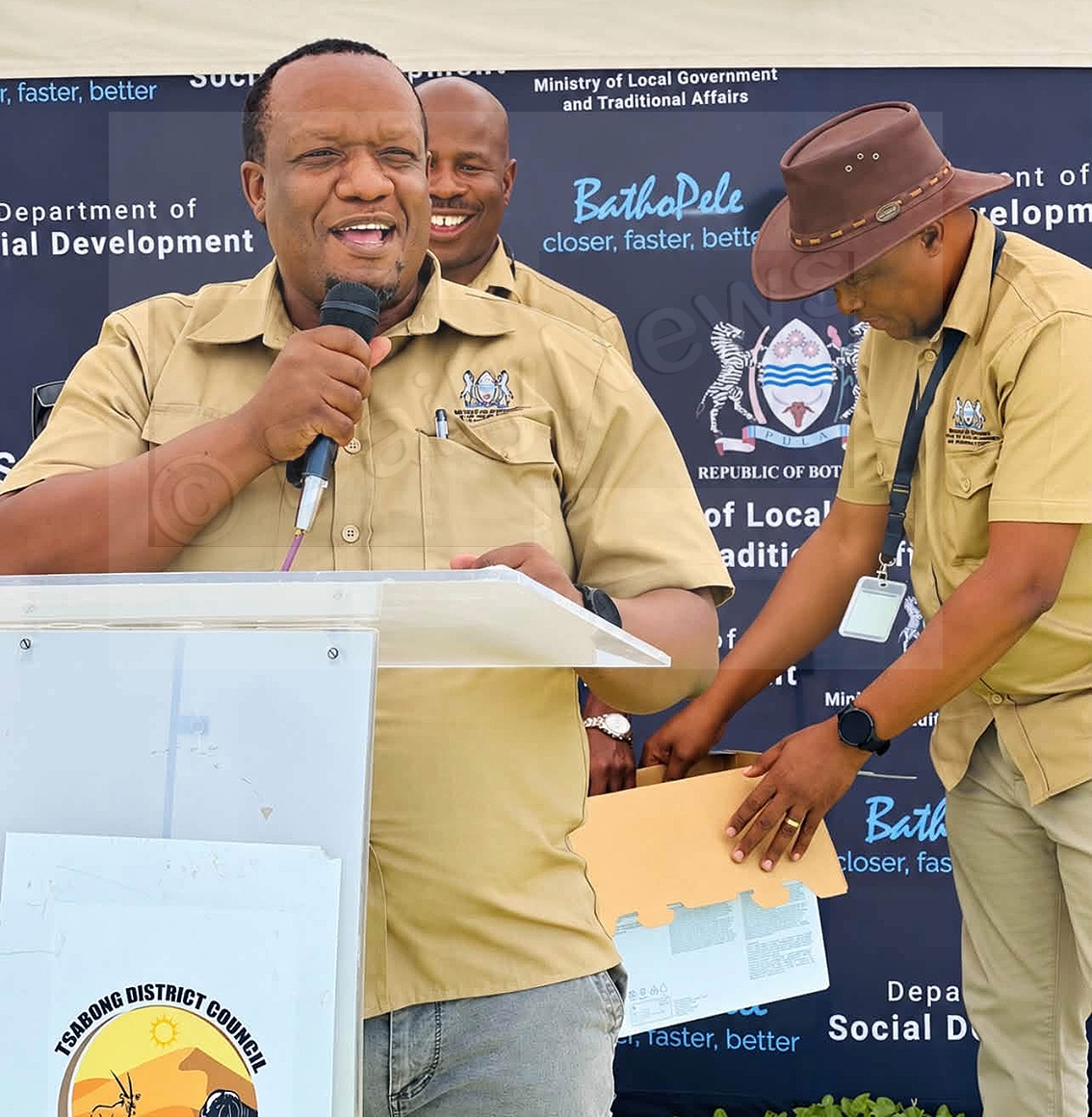
Delivering the key remarks during the official closing ceremony, Deputy Permanent Secretary-Operations in the Ministry of Local Government and Traditional Affairs, Mr Kabo Moseki highlighted the urgent need to achieve self-sufficiency in livestock feed.
“You should be able to produce fodder for our country because it is spending millions to buy animal feeds from other countries,” Mr Moseki said and challenged participants to implement what they learned.
“You can produce for your livestock and also sell to improve your lives. The time for learning should give way to action, embrace smart agriculture, tackle climate change, and ensure our farms are highly productive,” said Mr Moseki.
Tsabong District Council chairperson and poverty eradication activist, Mr Elias Motlhanke, described fodder production as a multi-million Pula commercial opportunity that aligned directly with area-specific developmental needs.
He urged the government to empower community development trusts and village development committees to take up feed cultivation. “With fodder production, we are ready to fight El Niño and drought. It will aid in reducing costs and expensive travels to Gaborone to buy feeds, while creating sustainable local jobs that relieve pressure on safety-net programmes like Ipelegeng. Let us all declare a unified fight against poverty,” said Mr Motlhanke.
For his part Kgosi Piet Manyoro of Khawa, urged the workshop graduates to serve as ambassadors in their respective communities and share their newly acquired knowledge to drive employment creation and safeguard herds against lean seasons.
Expressing gratitude on behalf of the workshop attendees, Mr Molapise Kwadipane, from Ghanzi District said that the skills gained would immediately be put to practical use in their ranches.
“We are going back to our ranches to implement what we learned here. We have learned a lot. Producing fodder for ourselves would help us produce good quality meat and cut the high costs of buying animal feeds” said Mr Kwadipane.
He further explained that the training was professional, turning them into true products of poverty eradication and fodder producers.
The training marks a key milestone in the government’s strategy to transform rural agriculture, boost climate resilience, and turn RADP farms into vibrant commercial hubs. ENDS
Source : BOPA
Author : Naomi Leepile
Location : Tsabong
Event : Workshop
Date : 21 Oct 2026
Related News

21 Oct 2026

21 Oct 2026
MP proposes sign language as official language

20 Oct 2026
China grant boosts Botswanas growth drive

20 Oct 2026