


BMC implores Batswana to tap into cattle by-product industries
21 Oct 2026
B
otswana Meat Commission (BMC) is encouraging Batswana to venture into micro industries using cattle by-products.
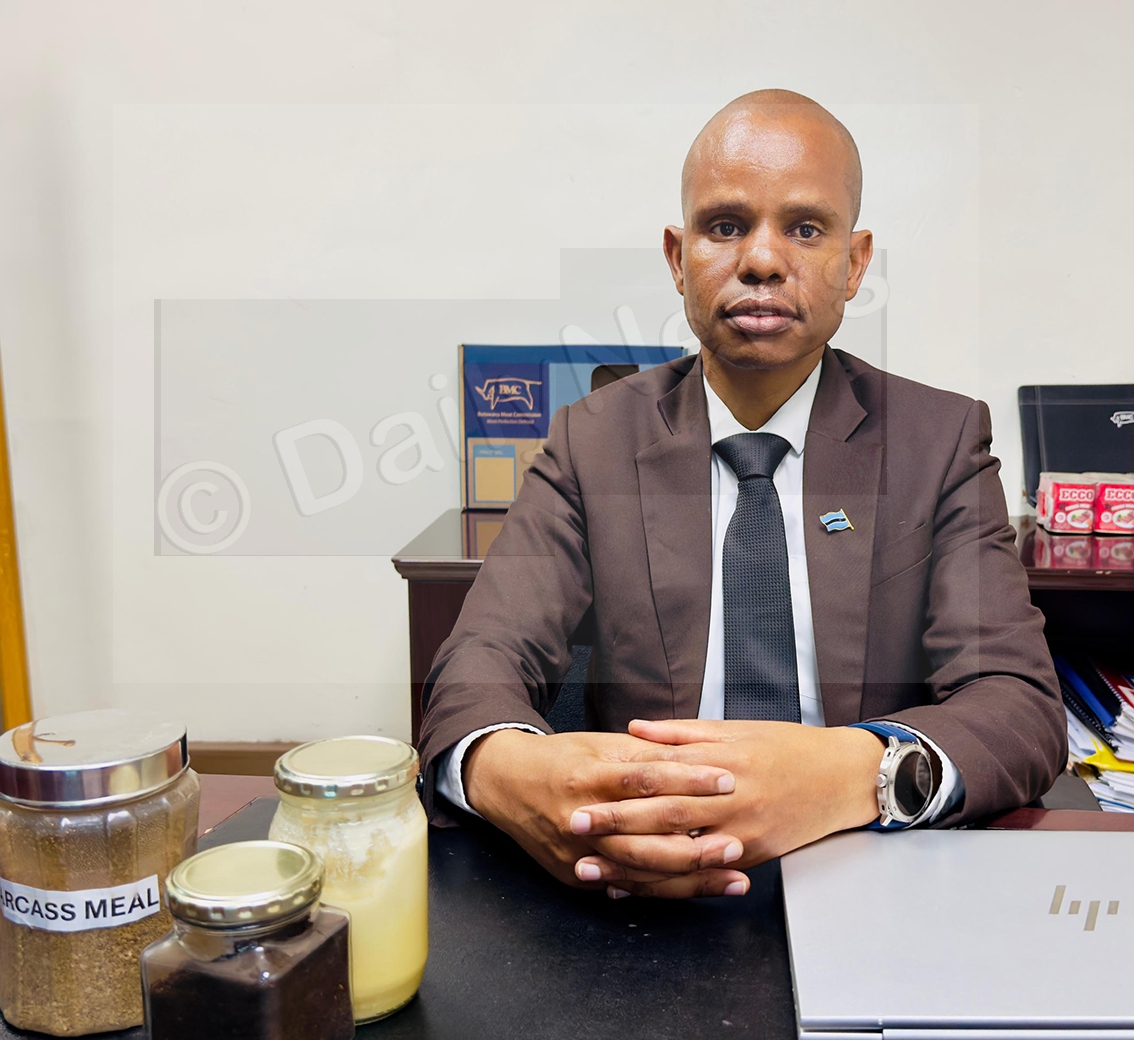
BMC sales manager-capitalisation Mr Boggie Oduetse said the value of cattle extended far beyond beef production hence opportunities were bountiful as citizens could explore and venture into other cattle related value chain industries.
Speaking in an interview on Monday, he said Batswana could harness the value chains in the cattle industry and make use of by-products whose importance was often overlooked.
He said the BMC on a daily basis produced and sold edible and inedible cattle by-products used for a wide variety of everyday goods in the pharmaceutical industry, medicine, cosmetics, household, arts and crafts and manufacturing of high value commodities which locals could tap into.
Some of the cattle by-products produced by the BMC include carcass meal at 2050 tonnes per annum on average used in the production of pet food such as dog pallets.
He said the by product was bought by companies in South Africa who processed it and sold products back to Botswana in a finished product.
In addition, Mr Oduetse said the BMC produced the blood meal at 108 tonnes per annum on average used in cosmetics, as well as the beef tallow (rendered fat) at 1 300 tonnes per annum on average used as a base for luxury soaps, lotions, moisturising creams, lipsticks, and hydraulic fluids.
He said another by-product was the beef bile produced at 18 tonnes per annum on average used the pharmaceutical industry to produce pills. Furthermore, the BMC produced hides at 1 720 tonnes per annum on average which were tanned into leather for furniture upholstery, clothing, purses, vehicle interiors, shoes, and belts among others adding that the parastatal also produced the calf serum.
Other by-products, Mr Oduetse said included horns as the BMC produced 1.3 tonnes of horns per annum on average, as well as gall stones at 513 grams per annum on average which were used in the pharmaceutical industry. The gall stones, he said were a rare ‘diamond’ in the industry sold at P2 280 per a gram and were usually bought by pharmaceutical companies in China.
He said they were some high value cattle by product used for medicinal purposes to treat stroke, food poisoning amongst others adding that there were people who were always ready to buy online as such encouraged Batswana to set up online shops, collect and sell the cattle gall stones.
Furthermore, he said BMC produced hides and skins adding that there was a tannery revitalisation project underway at Lobatse, and currently it buys hides from the BMC and sell them to Pakistan.
He said the Tannery Processing plant is almost complete to supply industrial leather for local manufacturing.
Mr Oduetse said 90 per cent of the by-products produced by the BMC were exported to neighbouring countries and some were imported back into the country as finished products. The By-products, he said presented low hanging fruits opportunities for the youth, women and small enterprises.
He said opportunities supported by the BMC were ample to create employment and earn a livelihood adding that they existed in the dog pellets production, soap manufacturing, curio shops to stock horns artefacts as well as solar power harvesting to supply the BMC plant amongst others.
In addition, he said there were opportunities in the cold chain logistics transport where independent refrigerated transport distributing beef primal from abattoirs to urban butcheries as well as specialised retail distribution recycling plants. ENDS
Source : BOPA
Author : Calviniah Kgautlhe
Location : LOBATSE
Event : Interview
Date : 21 Oct 2026
Related News
21 Oct 2026


20 Oct 2026
Botswana capital market surges to P1.1 trillion
19 Oct 2026
Climate change demands modern farming methods
19 Oct 2026