


Pandamatenga farmers celebrate timely payments
21 Oct 2026
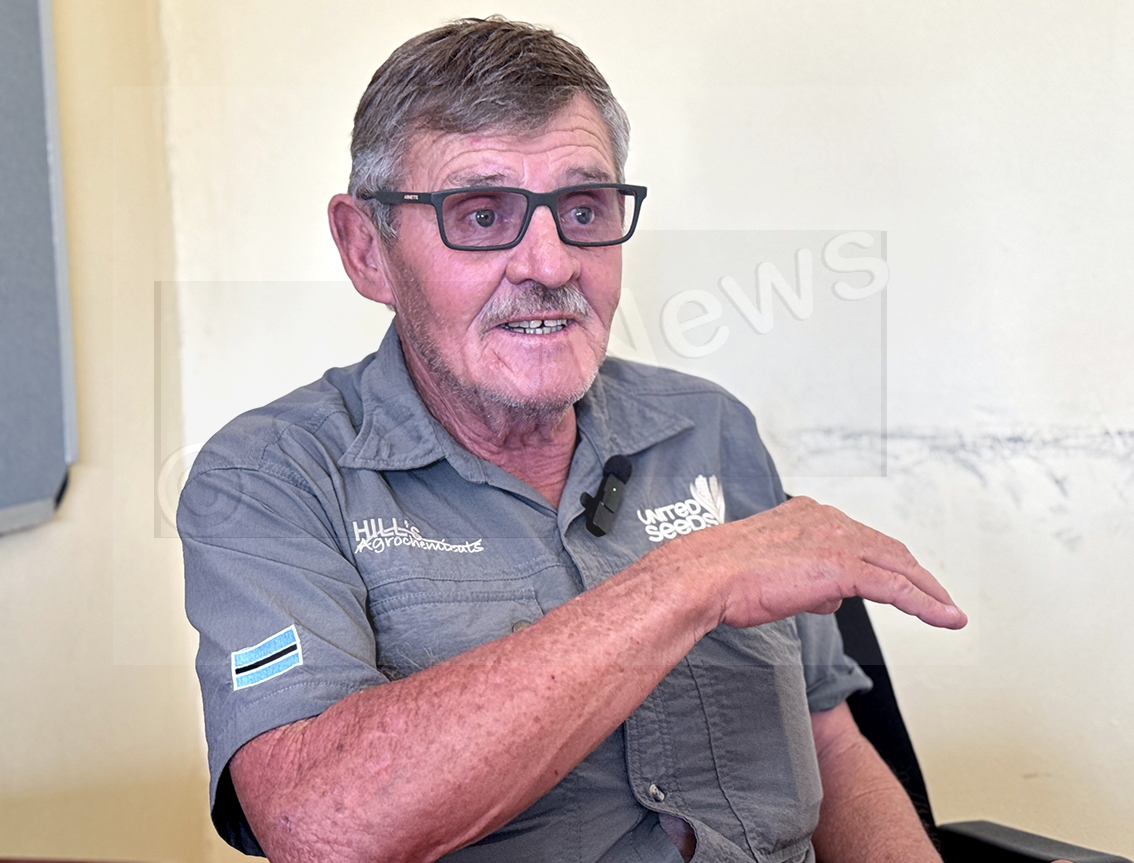
Pandamatenga commercial wheat farmers are celebrating a major milestone after Bolux Group emerged as the primary buyer of their produce, purchasing a significant portion of the harvest and paying farmers in full and on time.
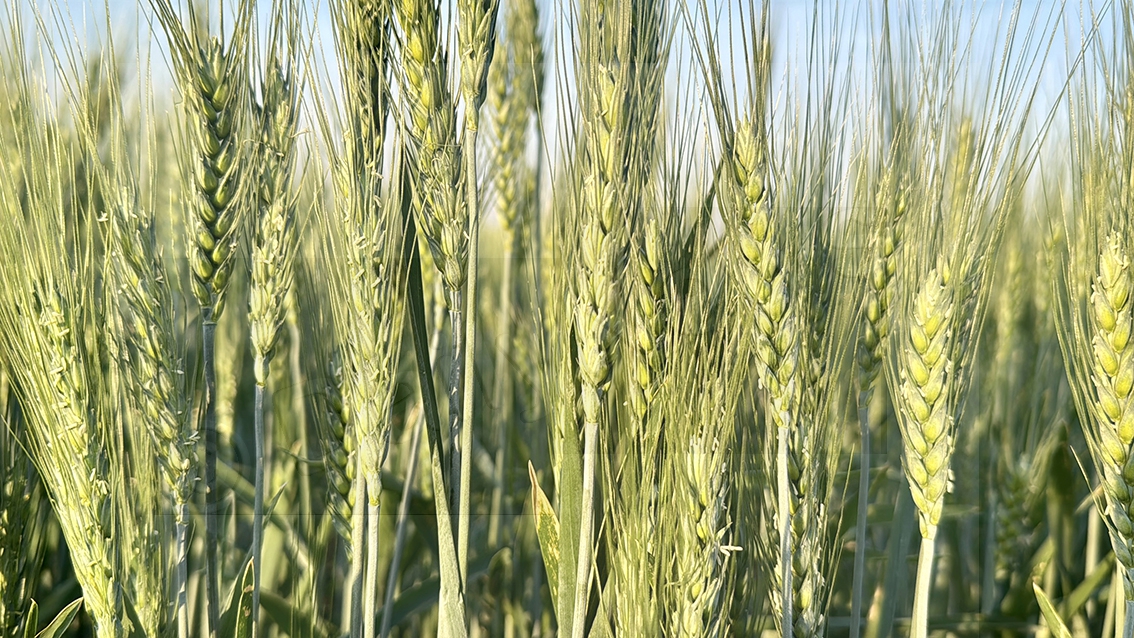
The farmers have responded to calls to boost domestic food production by producing approximately 3,200 tonnes of wheat, a crop for which Botswana continues to rely heavily on imports.
In an interview, commercial farmer Mr Gert Schmidt said his farm produced 2 000 tonnes of wheat this season, of which nearly 1 500 tonnes were sold to Bolux Group, while the remainder went to other domestic millers.
He said the local market had substantial unmet demand for wheat, presenting an opportunity for farmers to increase production.
Mr Schmidt described Bolux Group’s timely payments as a game-changer for farmers, providing the liquidity needed to sustain operations, settle suppliers’ invoices, pay workers and prepare for the next farming season.
He noted that commercial farming was capital-intensive and required continuous reinvestment to maintain productivity and profitability. He therefore urged other agricultural buyers to emulate Bolux Group by prioritising timely payments to farmers.
Mr Schmidt said Botswana imported approximately 150 000 tonnes of wheat annually to meet domestic demand.
He revealed that his entire wheat crop was cultivated under dryland conditions, relying on rainfall rather than artificial irrigation.
However, he said dryland wheat production required specialised machinery different from that used for traditional crops such as sorghum.
“We invested heavily in a high-tech planter that handles advanced precision seeding, and that strategic business decision is exactly what drove our operations to profitability,” he said.
Another commercial farmer, Mr Jaco Strachan, confirmed that he had also contracted his wheat harvest to Bolux Group.
He said prompt payment enabled him to purchase fertilisers and crop chemicals in preparation for the next farming season.
Mr Strachan cultivated 100 hectares of wheat under irrigation, producing 500 tonnes.
He said logistical challenges remained a concern because most of Botswana’s major millers were concentrated in the southern part of the country, far from Pandamatenga.
To address the challenge, farmers and millers had agreed to share transportation costs equally, with each party covering 50 per cent of the expenses incurred in moving the produce to market.
Mr Strachan said the high national demand for wheat presented significant opportunities for expanding local production.
However, he cautioned that irrigated wheat farming remained capital-intensive, particularly because of rising fuel costs associated with powering boreholes that supply irrigation systems.
He said the proposed Chobe-Zambezi Agro-Water Scheme offered hope for addressing Pandamatenga’s persistent water challenges, adding that farmers eagerly awaited the project’s full implementation. ENDS
Source : BOPA
Author : Portia Ikgopoleng
Location : PANDAMATENGA
Event : Interview
Date : 21 Oct 2026
Related News

20 Oct 2026
Botswana capital market surges to P1.1 trillion
19 Oct 2026
Climate change demands modern farming methods
19 Oct 2026