


CPC museum China historical
15 Oct 2026
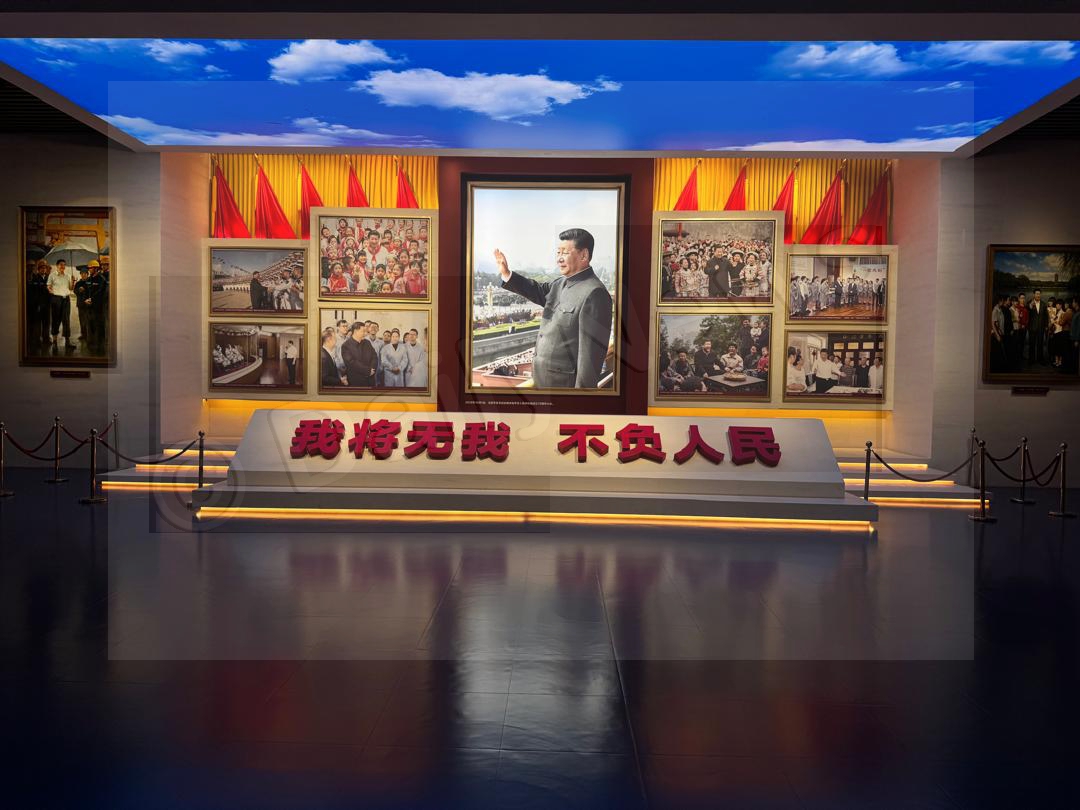
The Museum of the Communist Party of China (CPC) is not just a storage of artefacts, it holds the story of how modern China was built.
President Advocate Duma Boko had an opportunity to tour the facility that stands on around 150 000 square metres along Beijing’s central axis, on Wednesday, as part of his State Visit to the People’s Republic of China.
Opened in 2021 to mark the party’s centenary, the museum attracts over 1.5 million visitors a year. It houses more than 2 600 images, 3 500 cultural relics and artefacts covering the period from 1921 to now, arranged chronologically from the party’s secret founding to its present day leadership of 1.4 billion people.
The tour included the four main sections: The Founding of the CPC, The Long March and the War of Resistance, The Founding of New China, and Socialism with Chinese Characteristics in the New Era.
In the first hall is a full-scale replica of the historic site where the party was born.
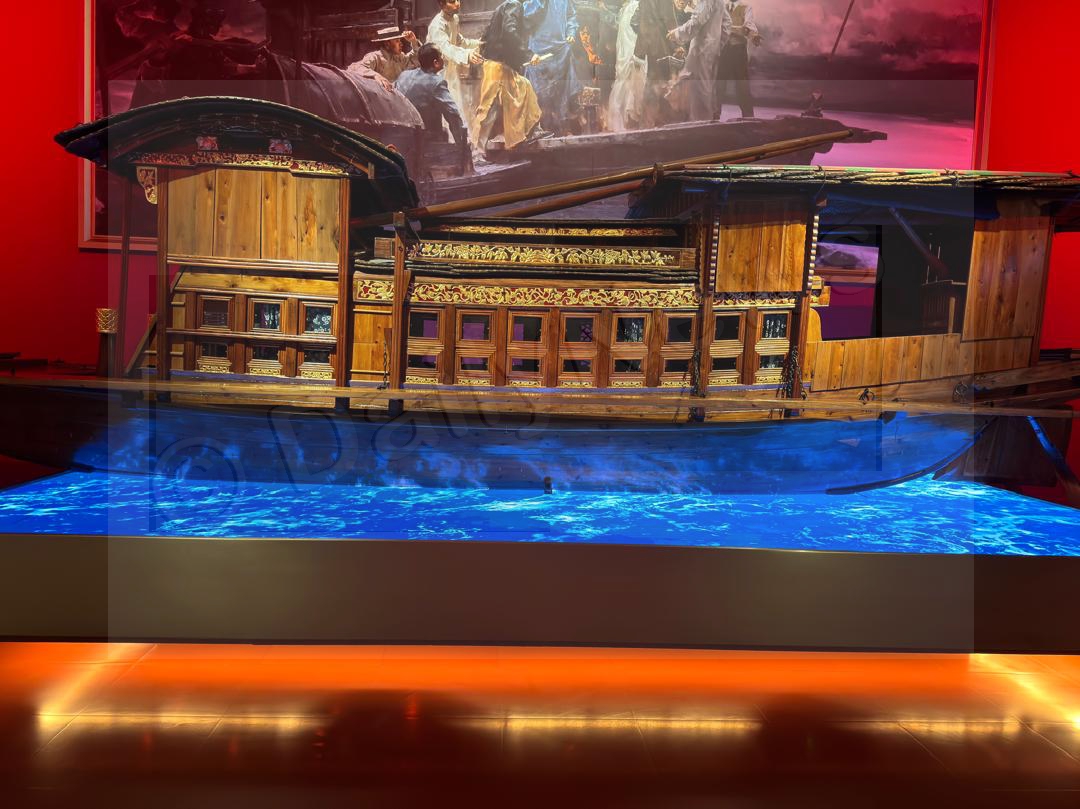
Curators shared that on July 23, 1921, 13 delegates representing just over 50 members met secretly in a brick house in Shanghai’s French Concession. When police raided the meeting, they fled and reconvened on a small boat on Nanhu Lake in Jiaxing, Zhejiang Province.
The boat, replicated in the museum as the iconic Red Boat, is regarded as the birthplace of the Communist Party of China.
From there, the exhibition traces China’s revolution and displays detail the fall of the Qing Dynasty in 1911, the May Fourth Movement of 1919 that awakened national consciousness, and the civil wars that left China divided, occupied and impoverished.
At the centre of the museum is the Long March, a period in 1934, when 86 000 soldiers of the Red Army broke out of Jiangxi and began a 12 500 kilometre strategic retreat that lasted 370 days, to escape encirclement by Kuomintang forces.
The museum displays their worn straw sandals, rusted rifles, hand-sewn uniforms, abacuses and the crude hand-drawn maps they used to cross 24 rivers, 18 mountain ranges and the vast Songpan grasslands.
Only about 8 000 reached Yan’an in Shaanxi in 1935. The march, which established Mao Zedong’s leadership, is presented as the crucible that forged the party’s resilience and its deep connection to the people.
Other galleries show the 14-year War of Resistance Against Japanese Aggression (1931-1945), the eventual victory in the War of Liberation, and the historic proclamation of the People’s Republic of China by chairperson, Mao Zedong on October 1, 1949, from the Tiananmen Rostrum.
President Boko also viewed halls dedicated to socialist construction, Deng Xiaoping’s Reform and Opening Up in 1978 which ushered in four decades of unprecedented growth, and the New Era under President Xi Jinping, including the poverty alleviation campaign that lifted over 800 million people out of poverty and the Belt and Road Initiative.
For President Boko, who has described China’s rise as “an economic and political miracle never seen in history,” the visit offered a masterclass in long-term planning, institutional continuity and national cohesion.
President Boko concluded his tour by viewing the museum’s finale, a 4D immersive theatre showcasing China’s achievements in the New Era from the Tiangong space station, the 45 000-kilometre high-speed rail network, to green development and ecological conservation projects.
He also signed the visitors’ book in the museum’s grand hall before departure. ENDS
Source : BOPA
Author : Taboka Ngwako
Location : Beijin
Event : Visit to CPC museum
Date : 15 Oct 2026
Related News

14 Oct 2026

13 Oct 2026
Maun Photo Walk returns for second

13 Oct 2026
Gastronomic festival to promote cultural Ties


13 Oct 2026