


Masega talks empowerment
14 Oct 2026
Empowerment begins with recognising one’s worth, developing personal talents and taking deliberate steps towards independence.
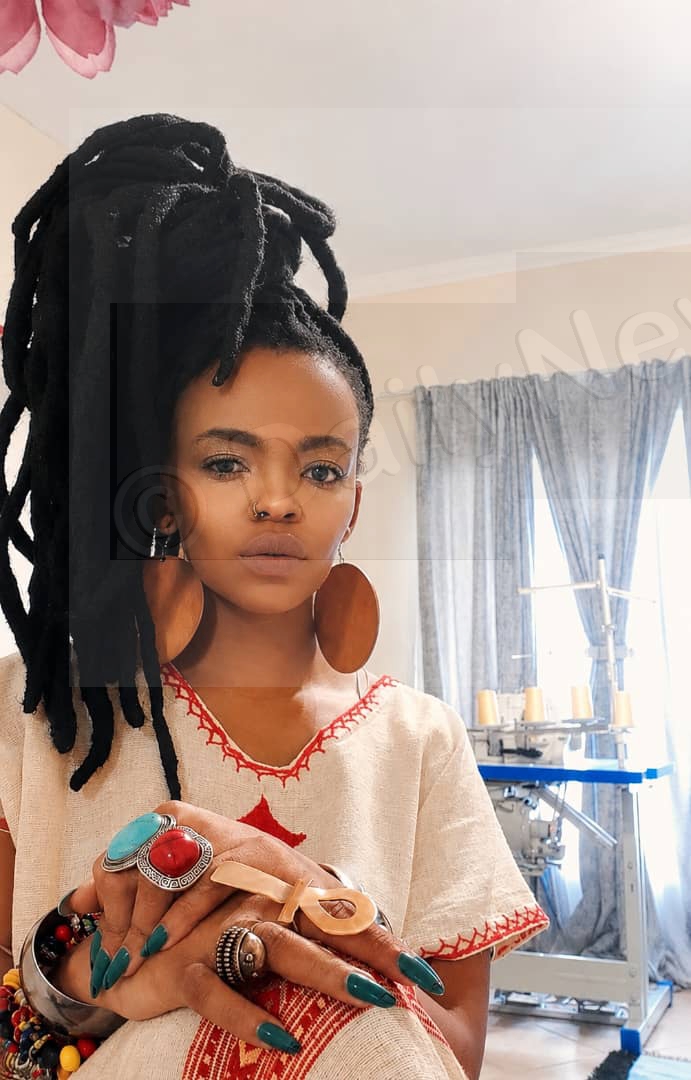
This philosophy is held by Phomolo Masega, popularly known as Goddess Isis. Masega is the face behind fashion brand, Black Mantra.
Through her brand, she explores the relationship between clothing, African identity, culture and self-affirmation.
She views fashion as more than an industry concerned with appearance, describing it as a medium for expressing identity, reclaiming narratives and celebrating African heritage.
Her entrepreneurial journey reflect her conviction that women should develop their talents and turn ideas into sustainable ventures rather than wait for external validation.
“Fashion can be a language through which we express identity, reclaim narratives and celebrate the beauty of who we are,” she said.
Beyond fashion and entrepreneurship, Masega is also an MC and uses this role to connect audience, celebrate talent and promote messages that influence how people perceive themselves and the world around them.
She regards the stage as more than an entertainment platform, saying public events can promote women’s visibility, celebrate cultural expression and amplify important messages.
Her stage identity, Goddess Isis, represents feminine dignity and resilience noting that it reminded her to use her voice responsibly while encouraging others to recognise their potential.
As a mother, creative and entrepreneur, Masega challenges the notion that women must confine themselves to a single identity to be taken seriously.
“You can be grounded and ambitious, feminine and powerful, spiritually conscious and commercially astute. You do not have to abandon one part of yourself to develop another,” she said.
For Masega, success is not measured solely by personal achievements, but also by the inspiration her journey offers others.
“If my journey encourages even one woman to take her ideas seriously, develop a skill, establish a business, reclaim her confidence or recognise her worth, then I believe I will have contributed something meaningful,” she said.
A native of Mmankgodi, Masega advocates for women to take charge of their lives, pursue economic independence and challenge societal expectations that limit their potential.
For her, the journey of empowerment requires women to recognise their capabilities and go beyond creating opportunities.
“Empowerment begins with consciousness, understanding who you are, recognising your worth and questioning the limitations you have been taught to accept. But consciousness must be followed by practical action,” she said.
She advocates for solidarity among women, urging them to embrace collaboration, mentorship and support for women-owned businesses rather than engage in competition that undermines one another.
“We should be creating more spaces, sharing knowledge, recommending one another, supporting women-owned businesses and recognising each other’s achievements without feeling diminished by them,” she said.
She noted the importance of investing in education, acquiring skills, pursuing financial independence and developing the confidence to occupy spaces where their contributions are needed.
Drawing inspiration from her association with Rastafari, Masega said African consciousness, self-determination and dignity had shaped her approach to business, identity and community responsibility.
She maintained that self-reliance demands discipline, confidence and personal responsibility, but cautioned against the misconception that independence meant succeeding without assistance. BOPA
Source : BOPA
Author : Keetile Bontsibokae
Location : Molepolole
Event : Interview
Date : 14 Oct 2026
Related News
13 Oct 2026

13 Oct 2026
Gastronomic festival to promote cultural Ties


13 Oct 2026
Orange Music Talent opens door for Botswana next
13 Oct 2026