Govt aims for trasformed social protection strategy
13 Oct 2026
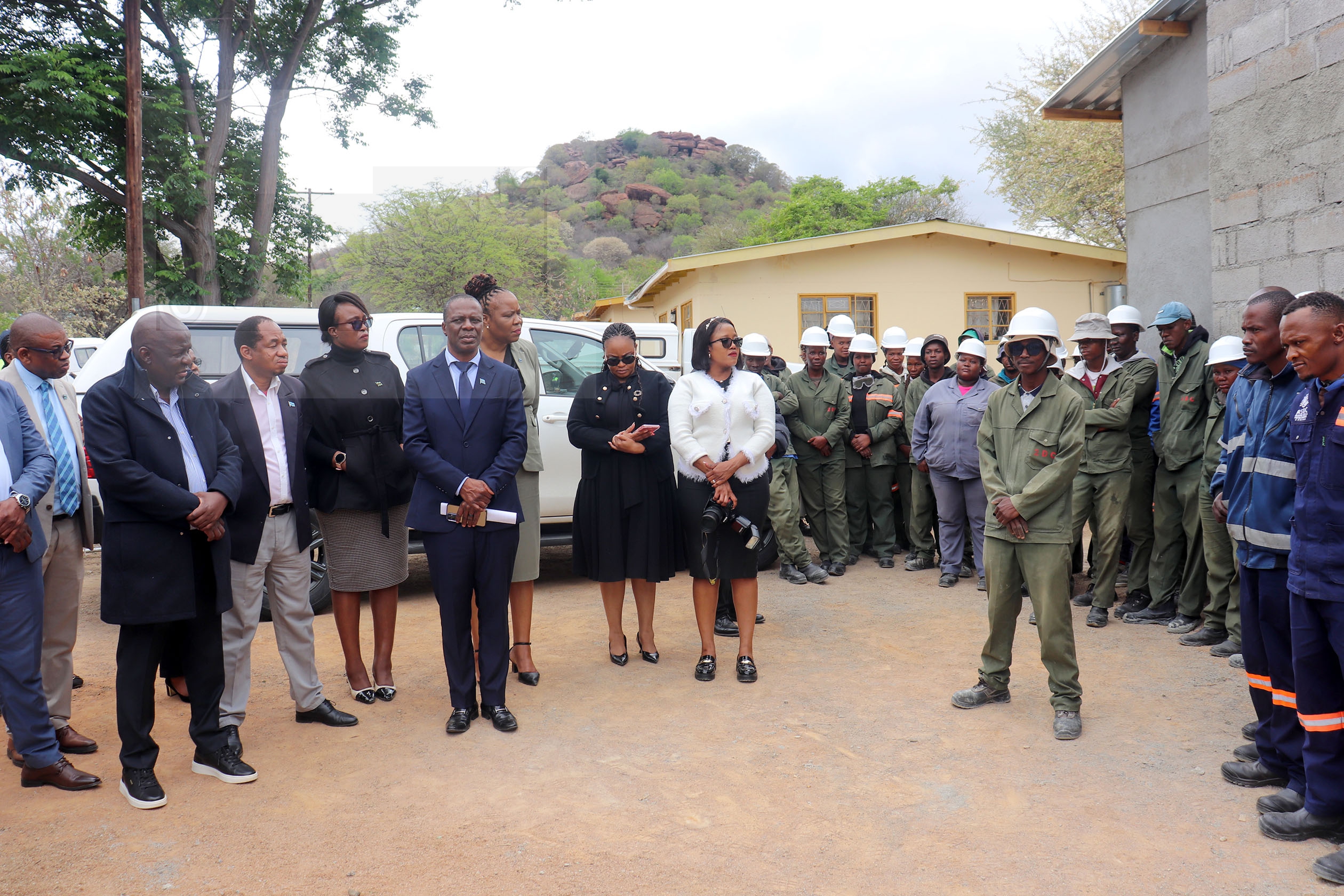
The vision for a transformed social protection landscape dominated discussions during a recent consultative meeting with Kgatleng District authorities.
Speaking at the meeting, Chief of Staff and chairperson of Social Protection Reforms Task Team chairperson, Dr Oupa Tsheko, described the upcoming reforms as a game changer for rural communities.
“Sustainable livelihoods are an essential pinnacle to building resilient communities,” Dr Tsheko said, urging local leaders to craft initiatives leveraging resources already present in their regions. “We have resource-endowed districts that should be used to assist our communities. Because each district faces unique challenges, solutions cannot be fashioned in the exact same manner,” he added.
He highlighted that Botswana currently spent 4.4 per cent of its Gross Domestic Product (GDP) annually on social protection and safety net programs, the highest rate in the region. He warned that the prevailing ‘dependency syndrome’ on government aid was unsustainable, pointing out that significant public funds were being consumed by hand-to-mouth support rather than long-term economic growth. He emphasised that while high unemployment remained a major hurdle, even the working class was struggling under economic hardships.
“Social protection should go beyond providing immediate relief by creating sustainable pathways through which beneficiaries can acquire skills, access economic opportunities and eventually graduate to self-reliance,” Dr Tsheko stated.
Department of Social Development and representative of the Botswana Economic Transformation Programme (BETP) secretariat, Ms Gomolemo Tselakgopo, noted that critical gaps persisted in programme targeting and coverage.
Ms Tselakgopo said preliminary studies revealed that despite high government spending, social welfare initiatives yielded low graduation rates and fostered continued dependency.
She said the upcoming reforms would evaluate whether the nation was getting value for its money, measuring success by how effectively beneficiaries transition off government aid. To fix such inefficiencies, she said government was establishing a Single Social Registry to identify and target the most vulnerable citizens.
She described the registry as a core enabler of reform, designed to capture socio-economic data, assess community needs, determine eligibility and coordinate targeted enrolment.
Social Protection deputy director, Ms Gomotsang Manne explained that consolidating beneficiary data across all welfare programmes would streamline service delivery and prevent benefit overlaps.
“This initiative is meant to guard against double dipping and provide support for evidence-based decisions on coverage, duplication and resource allocation,” Ms Manne noted.
Kgatleng District Commissioner, Mr Innocent Maotwe, welcomed the new direction, stressing the necessity of aligning local social protection efforts with the BETP and National Development Plan 12 (NDP 12) to drive inclusive growth.
Providing local context, Kgatleng District Council deputy council secretary, Ms Emeldah Matlhogojane, revealed that the district currently supported about 5 390 beneficiaries, including destitute persons, orphans, needy students and children in need of protection.
However, Ms Matlhogojane acknowledged that delivering social welfare services locally was faced with operational hurdles, including outdated policy and legal frameworks, legislative misalignments, benefit duplication and severe staff shortages coupled with lack of specialised training. ENDS
Source : BOPA
Author : Mmoniemang Motsamai
Location : Mochudi
Event : Consultative meeting
Date : 13 Oct 2026
Related News

12 Oct 2026