


Radio BotswanaVoices echoes and missing relics
08 Oct 2026
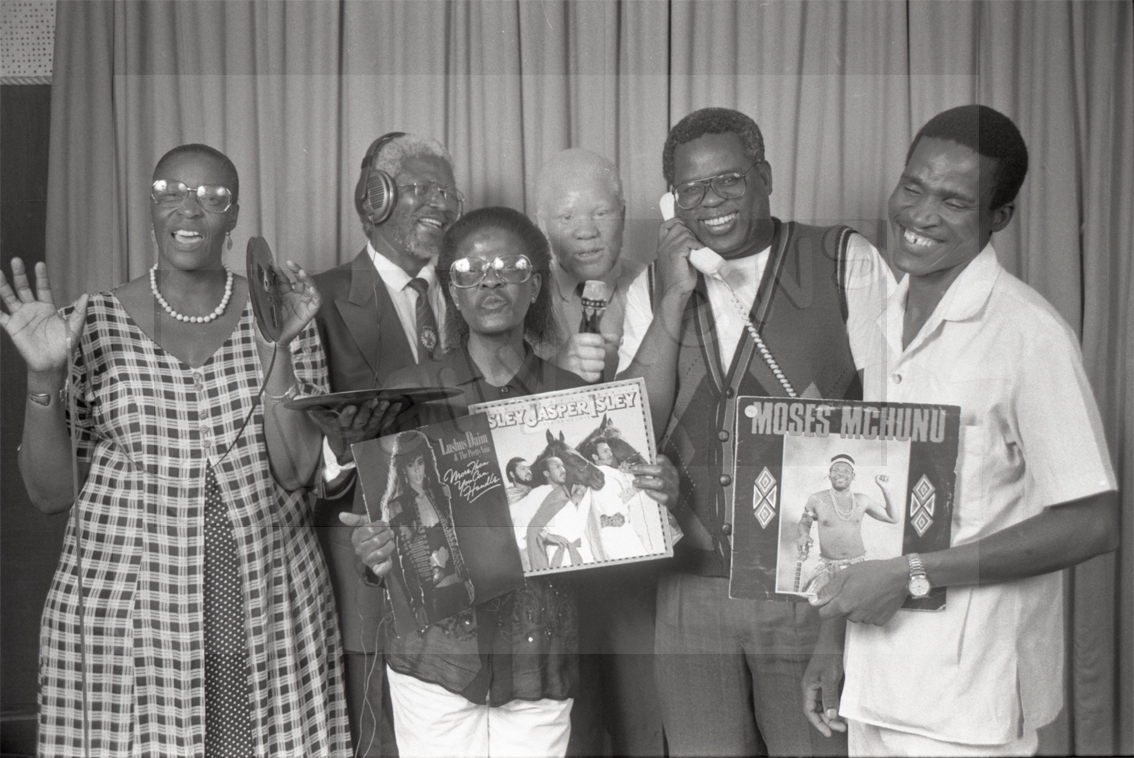
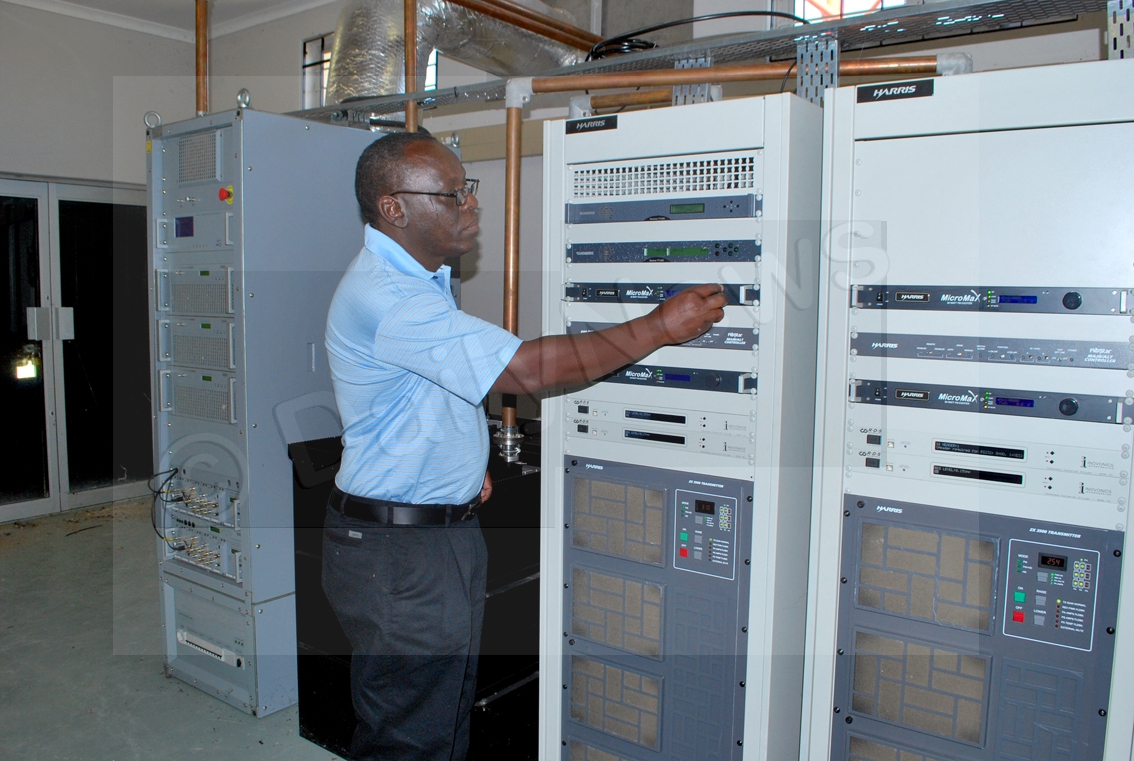
When you step inside the sprawling, modern corridors of the Mass Media Complex today, it is hard to imagiine that the voice of our nation was once powered by a single, modest one kilo-watt medium wave transmitter.
As Radio Botswana marks its 60th anniversary, my mind travels back to where it all began - in the dusty farming expanse of Mafeking during the dark days of the Second World War, says Moreri Gabakgore.
Back then, the transmitter, designated ZND, was strictly an operational tool for the Department of Veterinary Services to alert field officers about livestock disease outbreaks. Yet, radio has a way of breaking boundaries. Local residents began tuning in to the closed-circuit signal, yearning for something more.
Led by a local pharmacist known only as Chooms, from T.A. Little Chemist, a small group successfully persuaded the department to let them play classical music during downtime. That gentle classical hour built a dedicated audience, but it was not long before the airwaves grew contentious.
At the height of the war, a clandestine German station called ‘Zizzen’ began broadcasting propaganda, claiming the Allied Forces were losing.
To counter these claims and bolster morale, two Batswana, Dingaan Mokaila and Luvai Moumakwa, were tasked with listening intently every evening and repudiating the German claims in Setswana the following day.
That was the true baptism of our national broadcasting.
By 1963, as independence neared, the station morphed into ZNB and moved to Lobatse.
The setup was remarkably humble, the transmitter was housed inside a prison cell at Boswelatlou, while the studio operated out of the District Commissioner’s offices. Household pioneers like Douglas Moeketsi, Lucas Kgang, Nonnie Pilane and the legendary Mokaila brought the station to life, while Norman England pedalled through Lobatse on a bicycle to gather news as a sole reporter.
In 1965, the station made another move, this time to Gaberones, broadcasting for just two hours a day as Radio Bechuanaland.
Then came midnight on September 30, 1966.
At the National Stadium, as 81 years of British rule came to a close, Radio Bechuanaland became Radio Botswana. Mokaila covered the historic moment live, accompanied by British advisor, Bernard Palmer and studio anchor, Lucas Kgang.
As Princess Marina presented the official documents to Sir Seretse Khama, a wave of euphoria swept over us. The new blue, black and white flag rose to the strains of Dr Kgalemang Tumediso Motsete’s Fatshe leno la rona, replacing God Save the Queen forever.
In those early days of independence, the station still operated on borrowed time and makeshift arrangements, broadcasting for only two hours from a transmitter at the Railway Station while Sebele Content Farm and the main broadcasting house were being built.
It was a young British engineer named Ian Douglas Kennedy, alongside M. Miler, Kingsley Mogalakwe, Renda Letshabo and mast rigger, James Khwezi, who helped build our foundation using equipment retrieved from the defunct BBC relay station in Francistown.
Kennedy even negotiated with Home Affairs Minister Amos Dambe to turn a building meant for the Prime Minister into our three-studio broadcasting centre.
Over the decades, the station’s stewardship passed through extraordinary hands, from pioneering broadcasting officers like Potlako Molefhe to our first director, former diplomat Boitlhoko Setshogo in 1978.
Brilliant leaders followed, including Emelda Mathe, Mogolori Modisi, Margaret Nasha and visionary engineer Ted Makgekgenene, who launched RB2 in 1992 and spearheaded Botswana Television.
In later years, leaders like Andrew Sesinyi, Habuji Sosome, Bapasi Mphusu, Mogomotsi Kaboyamodimo, Bome Matshaba and Oshinka Tsiang each carried the torch. Yet, as I reflect on this 60-year milestone, a bittersweet realisation takes hold.
Where are the tangible pieces of this glorious journey? Sadly, most of our historic equipment was never preserved. The original transmitter that carried us through the colonial era was discarded like bathwater in 1968.
The heavy Marconi shortwave transmitters from Francistown vanished without a trace. Even our old Uher portable field recorders and the legendary Champion radio receiver, which famously floated down the Shashe River during the 1970s Francistown floods, supposedly “returning home to Bulawayo where it was made,” have been lost to time. These mechanical relics deserved a place of honour at the Mass Media Complex, where future generations could touch and see the tools that gave birth to our national voice.
Instead, as Radio Botswana turns 60, we celebrate without physical artifacts, holding the rich heritage and vibrant history of our station solely in our memories and in our hearts. ENDS
Source : BOPA
Author : BOPA
Location : Gaborone
Event : Feature
Date : 08 Oct 2026
Related News
08 Oct 2026
08 Oct 2026
Anafiki premiers ahead of official release
06 Oct 2026
Serurubele turns poetry into cultural legacy
06 Oct 2026
Khama declares ploughing season
06 Oct 2026