Harness Cultural Heritage for Micro-Industries and Economic Diversification- Motshegwa
28 Sep 2026
Harnessing Cultural Heritage for Micro-Industries and Economic, a well-structured development of cultural heritage tourism presents a golden opportunity for economic diversification and the creation of new micro-industries for sustainable livelihoods, says the Minister of Local Government and Traditional Affairs, Mr Ketlhalefile Motshegwa.
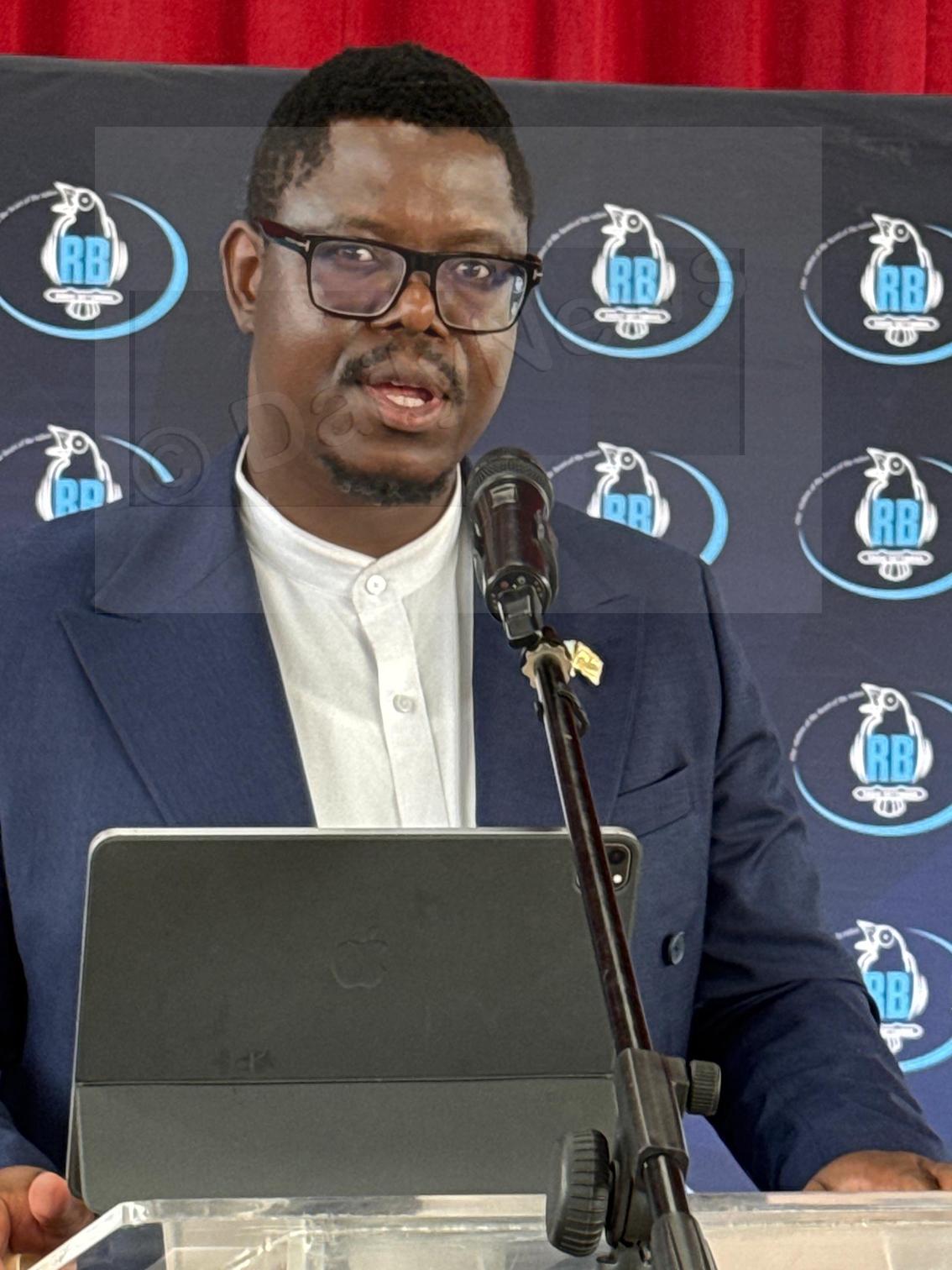
Launching the Lobatse Heritage Booklet alongside the Radio Botswana 60th Anniversary grand finale roadshow on Friday as part of the Independence Day celebration activities held in Lobatse, Minister Motshegwa said it was critical to look beyond traditional sectors.
He urged the nation to harness unique historical assets to attract regional and international travellers, thereby creating new micro-industries, hospitality jobs, and small business opportunities through structured, scalable developmental planning rather than scattered, isolated projects.
He highlighted cultural heritage as an engine for economic growth, adding that nations across the globe reaped economic rewards by turning heritage into dynamic visitor experiences.
He said countries such as Kenya and Peru, had transformed local heritage and ancient traditions into thriving, community-led economies where residents managed cultural villages, guide historical trails, and produce heritage crafts, ultimately creating employment for youth and women.
He underscored that Lobatse was endowed with a rich cultural heritage that must be fully harnessed, noting that the architectural blueprint of modern Botswana was drawn in the town,a legacy that should be turned into a golden opportunity for job creation. “It was here in Lobatse that our first Legislative Council met to debate the future of our independent nation. It was here that our first five-kilometre tarred road and our first post office were built.
It was here that the first frequencies of Radio Botswana broadcast a message of hope. During the liberation struggle in the Southern African region, Lobatse played a critical role by becoming a sanctuary of freedom for liberation struggle icons such as former South African President and global icon Nelson Mandela and Mozambique’s first President, Mr Samora Machel, cementing our role as a pillar of African liberation,” he said.
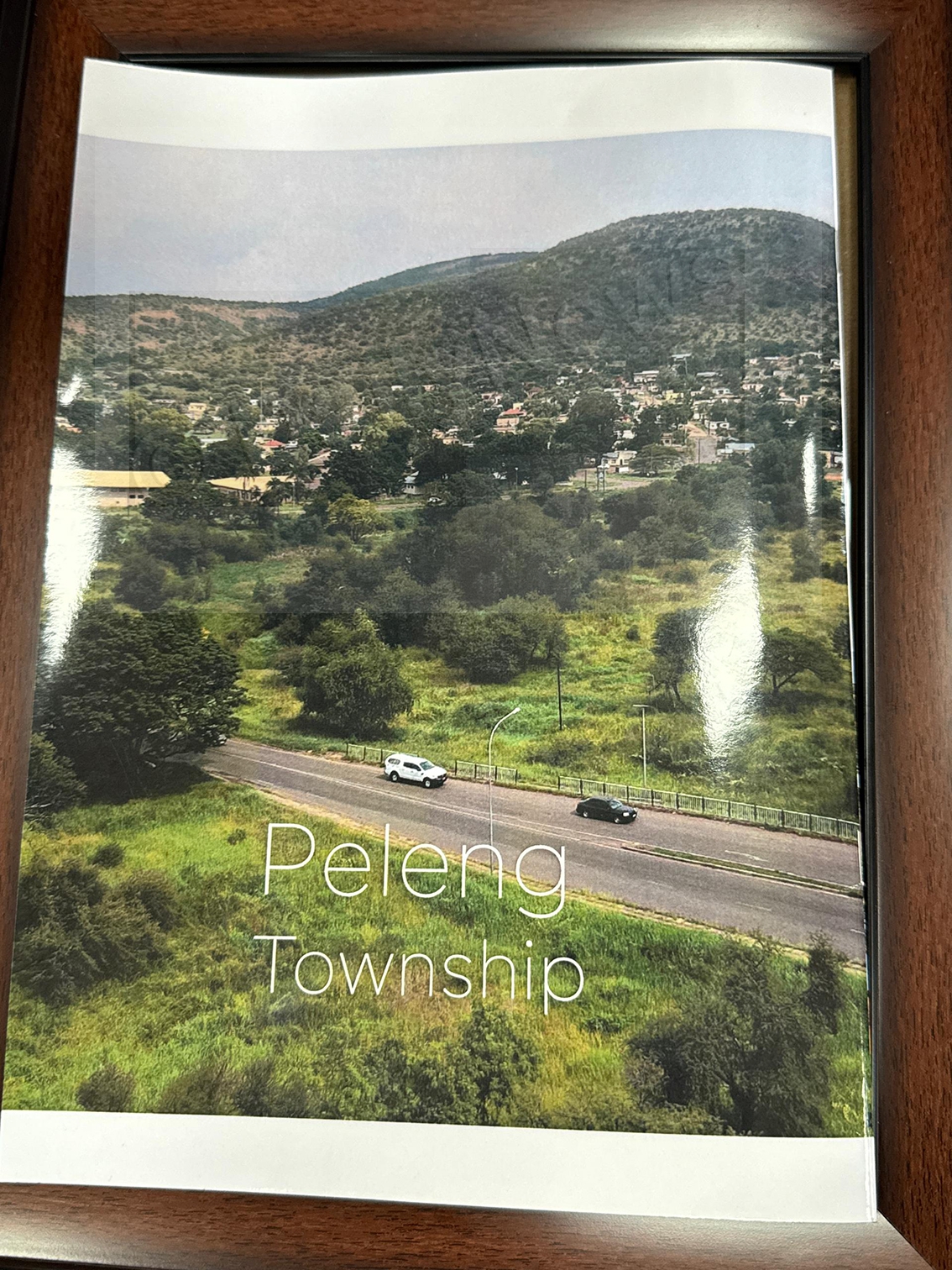
In addition, Mr Motshegwa noted that the socioeconomic potential of this heritage remained unexploited, warning that untold stories could fade and undocumented history could be forgotten. “That is why we pay homage to documenting the history of Lobatse through this booklet.
We are officially launching this booklet, a comprehensive guide that captures the very soul and essence of this town,” he said. Minister Motshegwa stated that the new booklet maps out the national identity and invites everyone to see Lobatse not merely as a transit town, but as a living museum of Botswana with a rich cultural tapestry, emphasizing that history must be understood as a vibrant, bankable, and transformative asset. His ministry, he said, is committed to partnering with all stakeholders to shift from passive preservation to an active asset commercialization framework.
“Through a structured public-private-community partnership model, we envision packaging these unique historical assets into sustainable commercial projects, particularly at a time when Cabinet has established a subcommittee on inclusive growth and sustainable development.
Its purpose and function are to assist government efforts geared toward beneficiation for communities that possess assets contributing to the country’s economy,” he said.
He added that going forward, the government would not be able to fully fund local authorities, making it necessary for them to generate their own revenue to fund their development agendas.
Furthermore, the Minister underscored that the government continues to prioritise economic inclusion and rural development through the adoption of the Revised National Policy on Rural Development, focusing on industrialization and tourism diversification.
He noted that the book was the result of international cooperation, funded through a partnership involving the Swedish International Centre for Local Democracy, Bollnäs Municipality, the Botswana National Museum and Monuments, Lobatse Town Council, the Botswana Society, and the Office of the District Commissioner.
Addressing concerns that Lobatse was becoming a ‘ghost town,’ he urged people to view the situation from a positive perspective, citing that an optimist sees an opportunity in every hardship while a pessimist sees only hardship. He thus called for a shift in mindset to achieve success. Lobatse Mayor, Mr Mosimanegape Ganakgomo, said the booklet would help boost the town’s marketing strategy, add value to investment attraction efforts, and serve as a guide for tourists.
This development, he noted, would assist in employment creation and promote value chains within the sector. He expressed gratitude to everyone who played a role in producing the booklet.
“Heritage is not just about the past. It is about our future, our jobs, our pride, and appreciating the value of Lobatse. Lobatse is a treasure, and this book must teach visitors that,” said Lobatse Member of Parliament, Mr Kamal Jacobs. ends
Source : BOPA
Author : Calviniah Kgautlhe
Location : Lobatse
Event : Lobatse Heritage Booklet
Date : 28 Sep 2026
Related News
22 Oct 2026
22 Oct 2026
Filmmakers call for ownership of African stories

21 Oct 2026
Springline Fashion Show returns Saturday
20 Oct 2026