Stakeholders call for environmental laws that benefit people
28 Sep 2026
Some stakeholders have underscored the need for government to create polices, laws that are practical, supportive and translate into direct economic, social and environmental benefits for host communities.
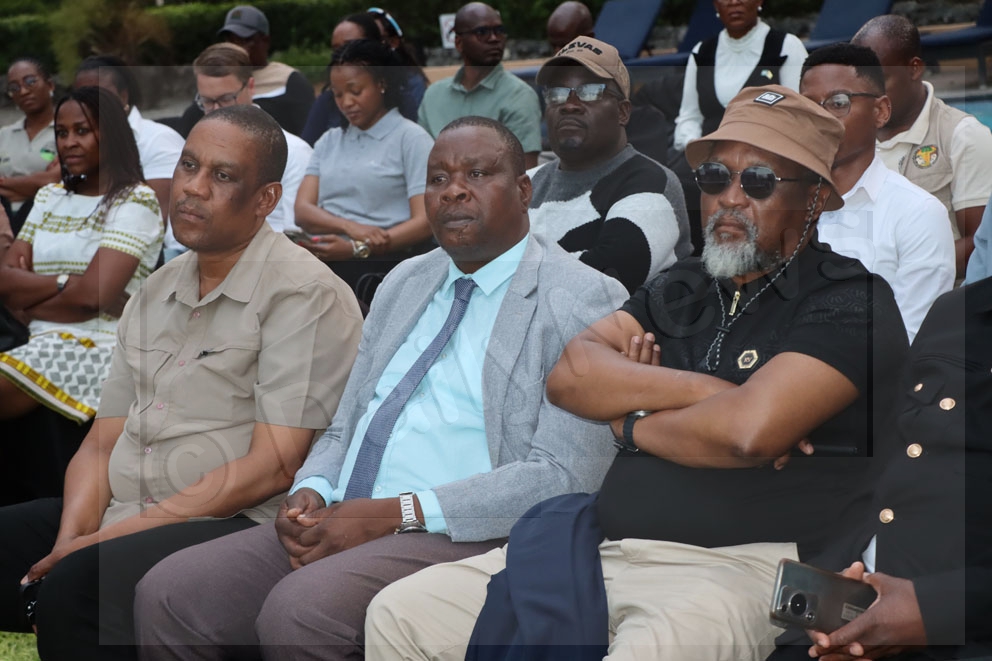
They argued that government has passed good pieces of legislation on paper but was failing at implementation. Stakeholders aired their views during a fireside chat session organised by Parliament in collaboration with Friedrich-Ebert-Stiffing Botswana and the Botswana Centre for Public Integrity, under the Bridging the Gap Between Parliament and Civil Society Organisation Society Project. The project seeks to strengthen constructive collaboration between Parliament and Community-Based Organisations (CBOs) on governance, oversight and legislative process.
However, they appreciated the proposed overarching environmental management bill that would consolidate fragmented sectoral laws into a single, unified system; being the Environmental Management Act (EMA). The bill aims to establish a comprehensive legislative framework for the protection, conservation and sustainable management of the environment in Botswana.
They suggested that it should address challenges at hand and ensure better governance, harmonise scattered old statues, integrate environmental checks into national development among others. The envisaged Bill, they said should enhance safeguarding of people’s health and livelihoods.
The executive director of Fauna Conservation Trust of Ngamiland, Mr Tiego Mpho expressed worry on the delays in working on the proposed Environmental Management Act, alleging that the drafting of the bill had taken 16 years.
He appreciated that EMA aimed to balance environmental protection with human, ecological and economic needs by providing a transparent framework for policy and development decision-making. He said most countries had enacted EMA to serve as the core legal framework for sustainable development, pollution control and natural resources conservation.
The bill, Mr Mpho said, should be demand-driven and rely heavily on local communities ‘input and ownership, adding it must also drive the creation of community enterprises, diversification of livelihood options because with no options, then the environment became the only source of livelihood for the people and eventually there would be exploitation, leading to poverty.
“Poverty is due to lack of livelihood options. Currently, the reason why our people cannot be compensated for damages caused by wildlife is because the money generated through tourism sector goes to Gaborone. The Okavango Delta and the ecosystem are making money but it does benefit our people,” he added.
Mr Mpho further stated that EMA should also speak to conservation agreements that were very clear and incentivised communities to do the right thing. Ms Diphetogo Lekgoa from Tena ko Teemahane Women Foundation noted that for a long time, consultation had been a challenge, saying most of the time things were imposed on the communities and hoped that with the new Act, things would change for the better. She said starting consultation at the grassroots level was an effective way of promoting community ownership and long-term project sustainability.
“Engaging local communities shows their opinions are valued because they possess unique insights into local dynamics and history that experts often miss. I request that with the proposed Act, engage locals so that they can have input and become active partners during implementation”.
Member of Parliament for Boteti West, Mr Sam Digwa stated that issues of human wildlife conflict continued to be an eyesore and yet it had been discussed in several forums without necessarily addressing it to the satisfaction of those affected.
Recently, he said much had been said about compensation being lower than what has been destroyed, arguing that it appeared that farmers living close to national parks were being punished for having been supportive to conservation.
“The reason we have high populations of wildlife species is because of the initiatives of those who live side by side with the wildlife, yet they have been calling for an increase in compensation and no one is listening to them. We believe the proposed bill will ensure affected communities get the value of what has been damaged in compensation,” he added. ENDS
Source : BOPA
Author : Esther Mmolai
Location : Maun
Event : Parliament stakeholder meeting
Date : 28 Sep 2026
Related News