


Botswana celebrates Olympic journey
24 Sep 2026
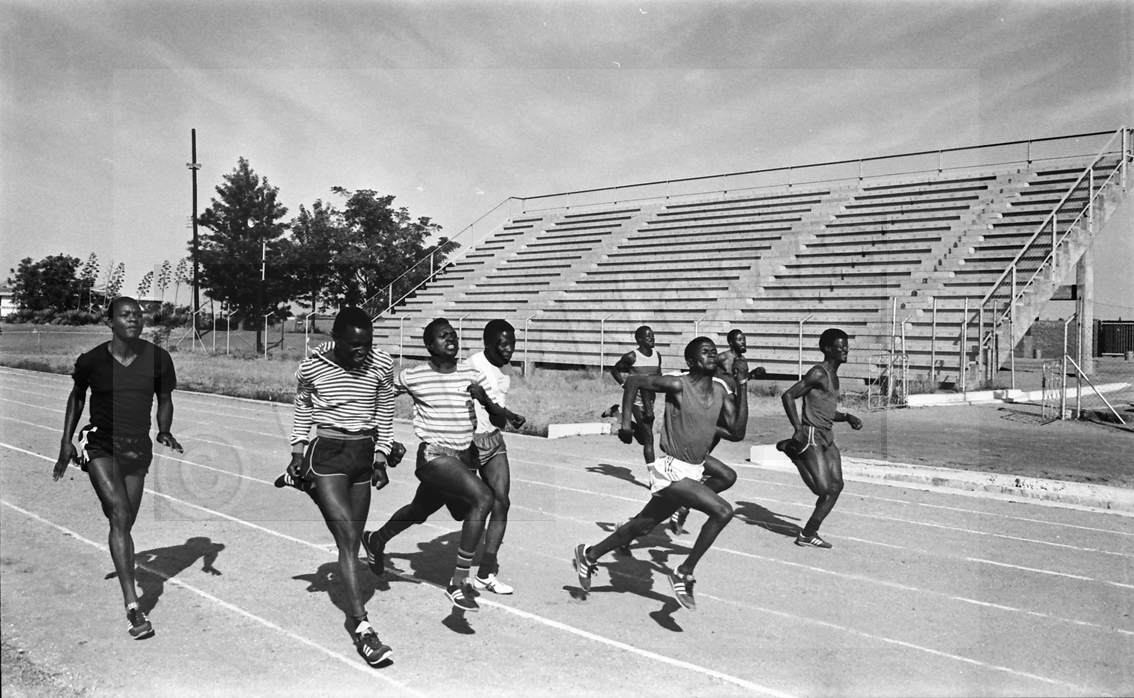
Picture the scene in Moscow back in 1980, when seven determined athletes stood tall under the international lights, proudly hoisting the blue, black and white flag for the very first time on a world stage, carrying the heartbeat of a young nation.
Those trailblazers included Lucien Josiah taking on the 100m and 200m, Wilfred Kareng tackling the 400m hurdles and Joseph Ramotshabi flying down the track in the 400m.
They were joined by Ishmael Mhaladi in the 1 500m, Robert Chideka in the 5 000m, Golekane Mosweu pacing the 10 000m and multi-event track competitor Langa Mudongo, all planting the seeds of a legacy they may not have even fully imaginedWhen the modern Olympic Games kicked off in Athens back in 1896, Botswana was not even on the global map yet.
Back then, before gaining independence from Great Britain in 1966, the land was known as Bechuanaland, a quiet British protectorate often labelled one of the poorest corners of the world. But if history has taught us anything about the Motswana spirit, it is that resourcefulness and grit can rewrite any narrative.
Under the visionary guidance of founding President Sir Seretse Khama, the newly born republic rolled up its sleeves.
Fuelled by a philosophy of self-reliance and emerging mineral wealth, the nation began building schools, roads and sport fields from the ground up, proving that a country finding its feet could also find its stride.
That steady march forward hit a milestone in 1978 with the birth of the Botswana National Olympic Committee (BNOC), earning official global status just in time for that historic debut in Moscow.
As the decades ticked by, those early steps blossomed into giant leaps across a diverse spectrum of sport codes.
While track stars grabbed early headlines, the squared circle quietly forged an equally fierce tradition of courage.
Beginning with fighters like Magare Tshekiso and Shakes Kubuitsile stepping into the ring at Seoul 1988, the boxers carried the nation’s combat grit to the globe. That solo torch burned brightly at the Barcelona 1992 Olympic Games, where light-heavyweight stalwart, France Mabiletsa stood alone as the sole qualifying boxing representative, paving the way with his trademark resilience before later capturing a historic bronze medal at the 1994 Commonwealth Games.
At the turn of the millennium, lightweight boxer Gilbert Khunwane proudly flew the nation’s colours as the country’s flag bearer at the Sydney 2000 Olympic Games.
The boxing momentum continued to build in later years and at Beijing 2008, bantamweight stalwart Khumiso Ikgopoleng punched his way into the Olympic quarterfinals, finishing just one win shy of a guaranteed medal.
London 2012 brought the heartbreak of Oteng Oteng’s controversial narrow decision, while Tokyo 2020 marked a monumental gender milestone when Keamogetse Kenosi stepped through the ropes as the country’s first female Olympic boxer.
Past athletics and boxing, other sporting pioneers expanded the nation’s footprint on the global stage.
Combat sport and water disciplines saw Norman Seribe step onto the tatami in judo at Atlanta 1996, while Garreth Chalmers navigated the open waters in sailing at Beijing 2008.
In the aquatics and weightlifting arenas, swimmers like Samantha Paxinos, who served as a pioneering female flag bearer in Beijing and Maxine Egner, co-flag bearer at Paris 2024, made waves for the country alongside historic trailblazers like weightlifter Magdeline Moyengwa, who broke new ground as Botswana’s first Olympic weightlifter at Tokyo 2020.
Back on the track, the turn of the millennium unlocked a wave of athletic magic. At Sydney 2000, Glody Dube made history by becoming the first Motswana to punch his ticket to an Olympic track final, sprinting to seventh place in the men’s 800m.
Four years later in Athens, Amantle Montsho shattered glass ceilings as the country’s first female Olympian, competing in the 400m and paving a golden path for generations of young girls with big athletic dreams.
Then came London 2012, the moment the world sat up and took notice, when 18-year-old Nijel Amos captured the nation’s heart and its very first Olympic medal after racing to a stunning silver in the men’s 800m final.
The momentum snowballed all the way to Tokyo 2020, where the men’s 4x400m relay team snatched a bronze, proving that Botswana was no longer just visiting the global stage but a permanent fixture.
Which brings us to the unforgettable magic of Paris 2024. If the journey started with seven pioneers in Moscow, Paris was the glittering upsurge.
Letsile Tebogo wrote his name into the history books as the first Motswana and the first African in history to win Olympic Gold in the men’s 200m.
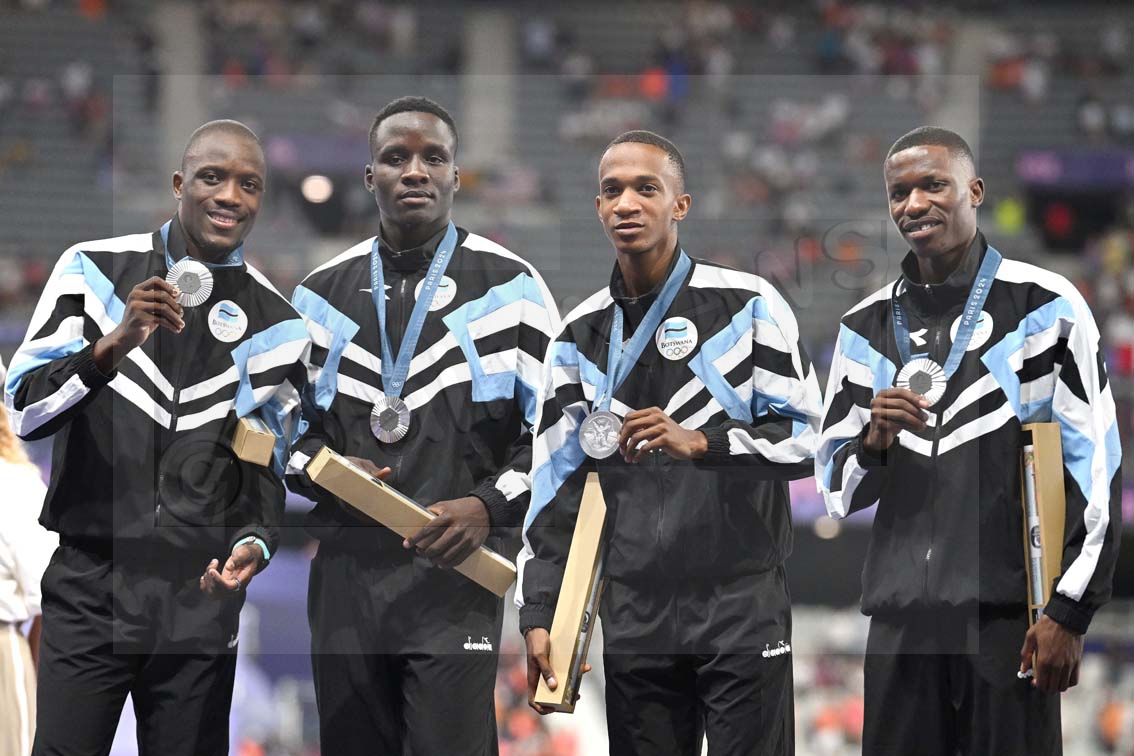
Not long after, the men’s 4x400m relay team stormed to a silver finish, sparking nationwide celebrations so joyous they earned the country a public holiday.
From the seven lonely pioneers of Moscow, lone warriors and medallists like Mabiletsa, flag-bearing champions like Khunwane, fearless boxers, aquatic and weightlifting trailblazers, to a gold-lit podium in Paris, Botswana’s 60-year journey stands as a testament to raw talent, resilient democracy and soaring national pride.
The 60-year sprint is an enduring reminder of what happens when a nation believes in the power of its own stride.
Now, as Botswana rings in its glittering 60th Diamond Jubilee anniversary of independence under the leadership of President Advocate Duma Boko, the country is pausing to smile.
The 60-year sprint is an enduring reminder of what happens when a nation believes in the power of its own stride. ENDS
Source : BOPA
Author : Anastacia Sibanda
Location : Gaborone
Event : Interview
Date : 24 Sep 2026
Related News
15 Oct 2026

15 Oct 2026
Sankoyo submit required documents to BFA
15 Oct 2026
BFA pledges continued support for Mares
13 Oct 2026