


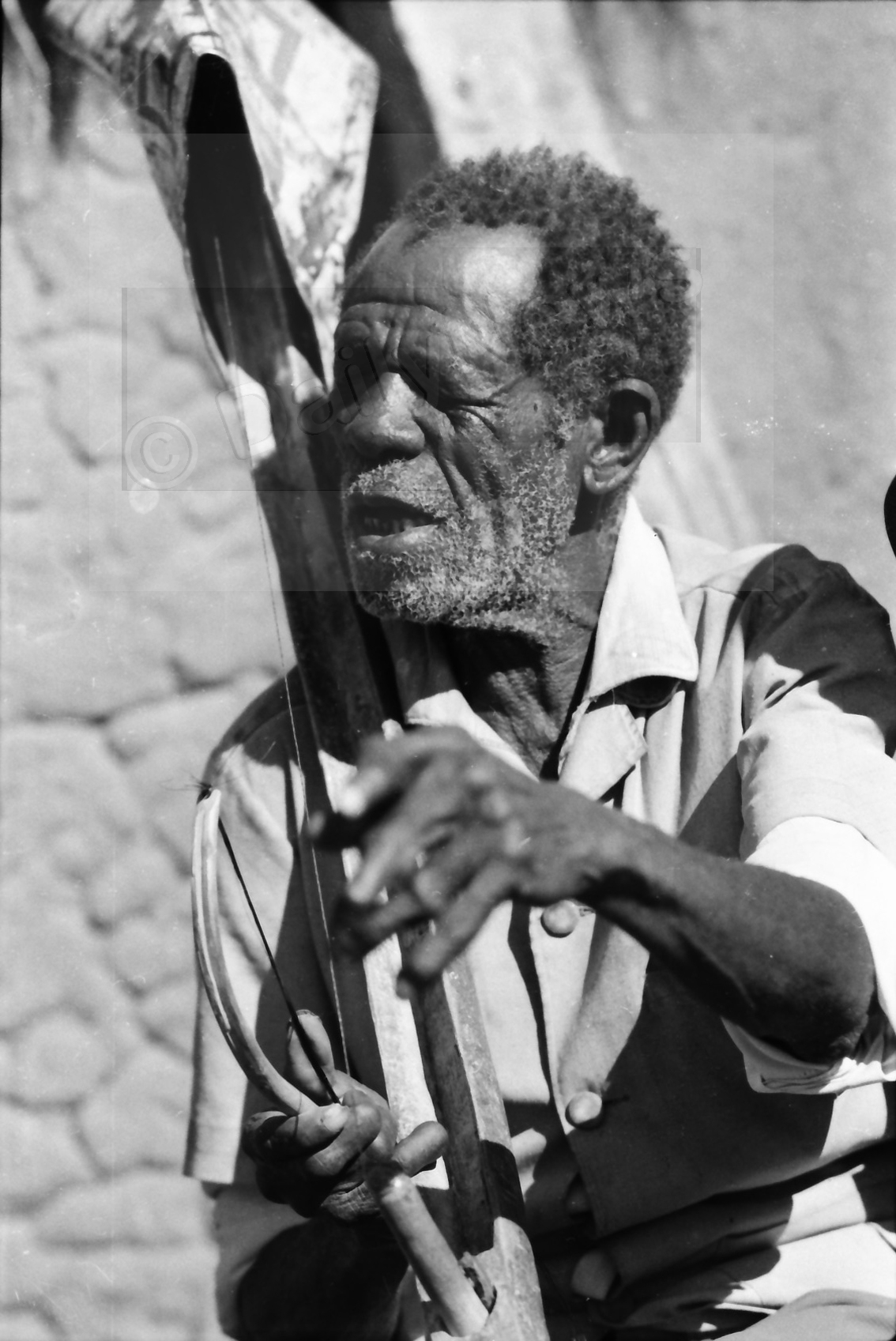
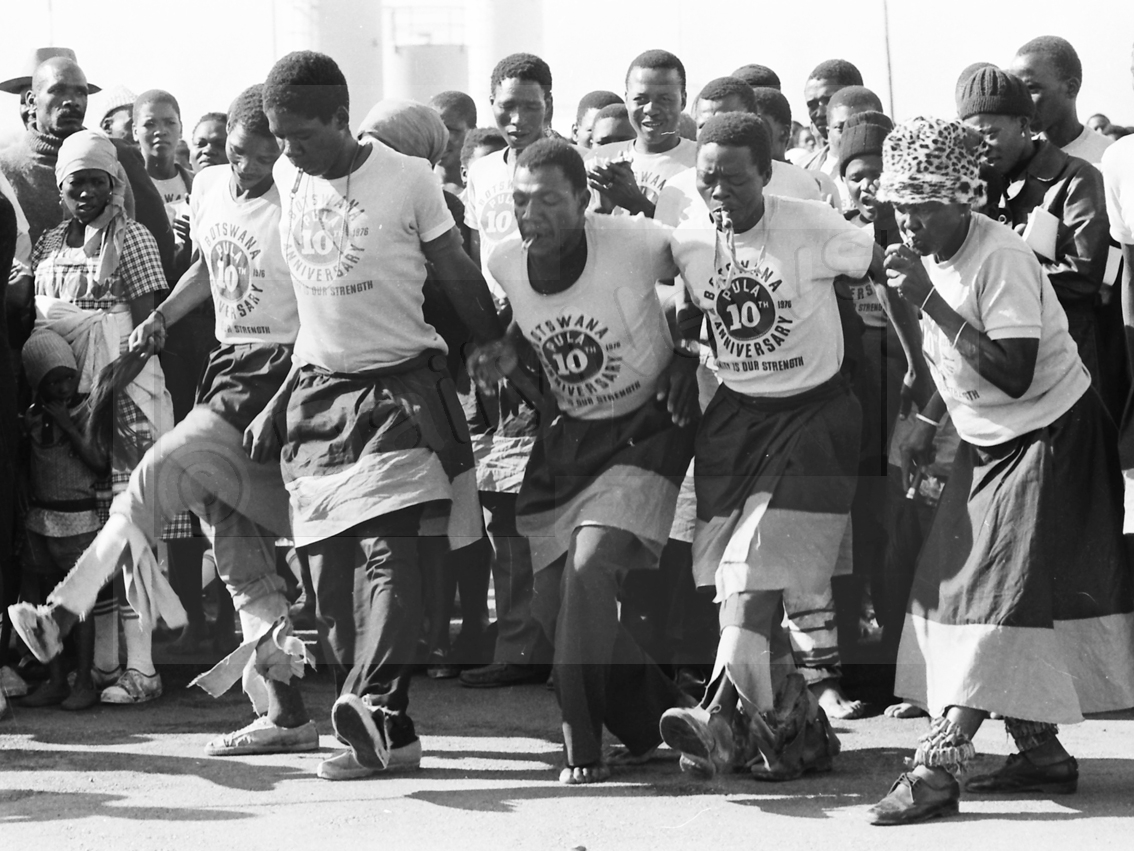
Sixty years of music shapes nation cultural identity
24 Sep 2026
The visual spectacle of the recent Botswana Musicians Union (BOMU) Awards presented, like Cinderella at the ball, the coming out party of an ugly duckling turned pretty princess.
Six decades ago, as the Bechuanaland Protectorate gave way to the independent Republic of Botswana, there was no modern music industry to speak of, no bands, recording studios, distribution or marketing channels.
Today, as the nation commemorates its Diamond Jubilee, a rich library of music has been bequeathed upon future generations by pioneering artistes who forged an entire value chain of singers, instrumentalists, sound engineers, producers and promoters.
According to writings by the late musician and scribe, Rampholo Molefhe, supported by historical accounts, a big band offering live jazz arrangements emerged around independence: The Metronomes.
Featuring self-taught trumpeter, saxophonist and auditor Galerobale ‘Gale’ Letsatle, alongside Radio Botswana presenter, Nonnie Pilane (vocals), Uncle ‘Hippo’ Mothopeng (trombone or drums), Percy Qobo and Jake Sibiya (saxophones), Box Moncho (guitar) and Tholo Molefhe (clarinet), they played swing jazz and ballroom dance for official ceremonies.
In 1968, Letsatle transformed them into The Scarers, the country’s first pop band, joined by guitarist Whyte Kgopo anda young Michael ‘Malombo’ Mmereki.
They recorded the first vinyl single in former Rhodesia, Swabisa Satan with Jumbo on the B-side.
“Gale Lesatle and The Scarers were the pioneers of contemporary popular music,” says Kanye-born singer-songwriter, Banjo Mosele.
“At independence, we only had Borankana traditional music and Tswana folk from artistes like Ratsie Setlhako. The Scarers pioneered modern music presentation, followed in the 1970s by Imagine, Mother and The Incrowds,” he adds.
Mmereki understudied Letsatle before helping form Mother and Imagine, later directing the BDF Dance Band from 1981 to 2004 with Tsilo Baitsile, Lekofi Sejeso and Alexander ‘Socca’ Moruakgomo.
Meanwhile, The Breakers formed in Mahalapye and Mosele launched The Incrowds with Sejeso and Ofentse Moagi, recording at Nosey Road Studio in Lobatse, set up by the Sbrana siblings.
The arrival of South African exiles turned Gaborone into a cultural hub during the 1980s.
Hugh Masekela jammed with local artistes at Mogo Hotel in Mogoditshane and formed the Kalahari band with Aubrey Woki, Mopati ‘Bully’ Tsienyane and guitarist, John Selolwane.
Masekela imported gear from Los Angeles to establish the Battery Mobile Studio at Woodpecker and founded the Botswana International School of Music (BISM).
Kalahari recorded Techno Bush (1984) and Waiting for the Rain (1985) in Gaborone and Tomorrow (1987) in London for Jive Records/Sony.
This global stage saw Selolwane tour on Paul Simon’s Graceland tour and Mosele back Peter Gabriel at London’s Mandela Concert.
Simultaneously, Jonas Gwangwa formed Shakawe with local musicians Molefhe, Kgopo and Tsholofelo Giddie alongside exiles Steve Dyer, Dennis Mpale and Tony Cedras.
Other groups made ground-breaking records like Duncan Senyatso’s Kgwanyape band, with brother Caxton, Clement Jackson and Makhwengwe Mengwe, teamed with South Africa’s Shifty Records to drop Botswana’s first full-length album, Mephato ya Maloba in 1986.
Afro Sunshine, managed by Dennis Alexander and featuring Lekofi Sejeso, Jeff Malaba, Gino Maposa, Livingstone ‘Dollar’ Paledi, Ronnie Mokgolodi, plus Zambians Chris Mbewe and Alex Kunda, released This is Afrika with hits Tote and Re Ba Lebile.
The BDF Dance Band released Banyana ba Gaborone (1987), while Lobatse rock outfit Nosey Road Band (Ivo, Renato, and Delio Sbrana) dropped Freeway and Beyond Your Imagination.
A local gospel movement also took root, led by Bafana ‘Phempheretlhe’ Pheto and Mmereki Marakakgoro.
The 1990s brought rapid expansion. David ‘DJ Ski’ Molosi explored Kwaito with Tribal Monks before going solo as ‘Skizo,’ Third Mind dropped a hip-hop album in 1996 and Rhumba was pioneered by Les Afrika Sounds, Nata Capricorn, Alfred Mos and Franco.
The 2000s exploded as Eric ‘Ramco’ Ramogojwa established Ramco Records, modernising Borankana via Kora Award-winners Machesa and Matsieng (Semakaleng), paving the way for Culture Spears, Shumba Ratshega, Dikakapa and Captain Dira.
Producers Presley ‘Prez Beats’ Metshe and Gofaone ‘Goof’ Mapitse backed House-Kwasa hits for Vee and Eskimos, as well as Motswako acts Scar, Kast and Mosako.
Ugandan producer, Robert Dargie set up Dargie Digital Studio, helping Franco, Maxy Khoisan, Ndingo Johwa and Unik Attractions, while Punah Gabasiane, Shanti Lo, Nnunu Ramogotsi, Nono Siile, Kearoma Rantao and Lister Boleseng championed jazz.
Motswako progressed through Apollo Diablo, Orakle and Mister Doe into 2010s superstars ATI, Dramaboi and Sasa Klass, whose huge success was tragically cut short by their early deaths.
While Franco, Charma Gal and Vee command massive home crowds, international breakthroughs remain gradual, led by Culture Spears in South Africa and 2020s acts Ezra Neethings and William Last KRM expanding regionally.
As Banjo Mosele emphasises, the quality of the country’s music has been world-class for decades, what it needs now is dedicated broadcast support, strategic marketing and global distribution to reach its full potential. ENDS
Source : BOPA
Author : Pako Lebanna
Location : Gaborone
Event : Feature
Date : 24 Sep 2026
Related News
15 Oct 2026
14 Oct 2026
Masega talks empowerment
13 Oct 2026
Maun Photo Walk returns for second

13 Oct 2026
Gastronomic festival to promote cultural Ties

13 Oct 2026