


Wheat lucrative cash crop in Pandamatenga
23 Sep 2026
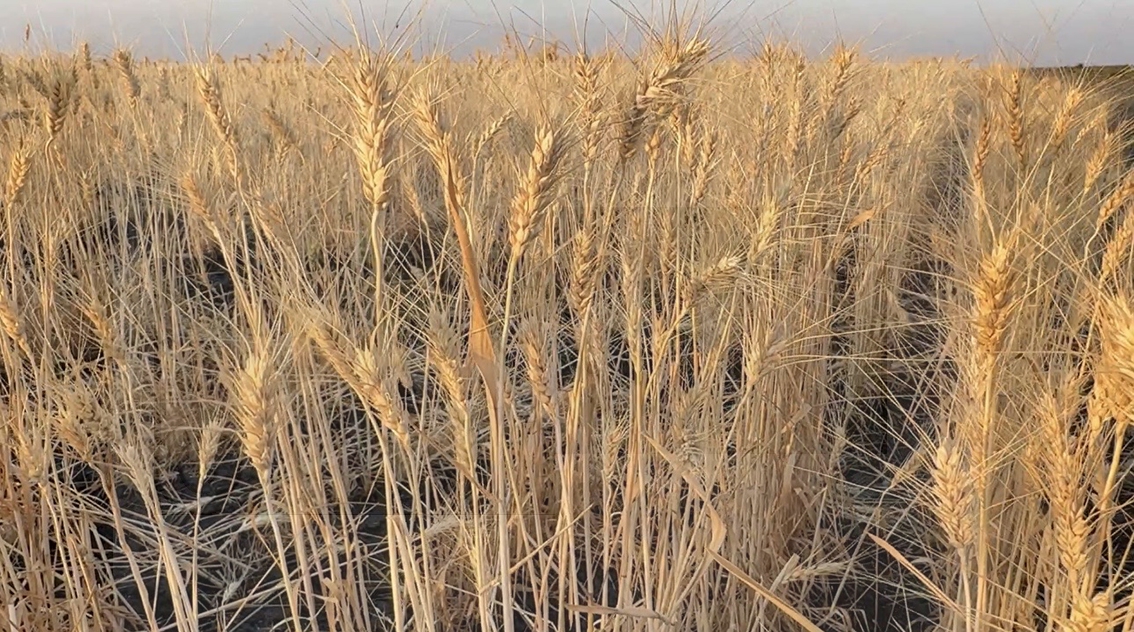
Wheat is emerging as a lucrative cash crop in Pandamatenga, with farmers diversifying from traditional sorghum production and taking advantage of the area’s frost-free winter climate and irrigation potential.
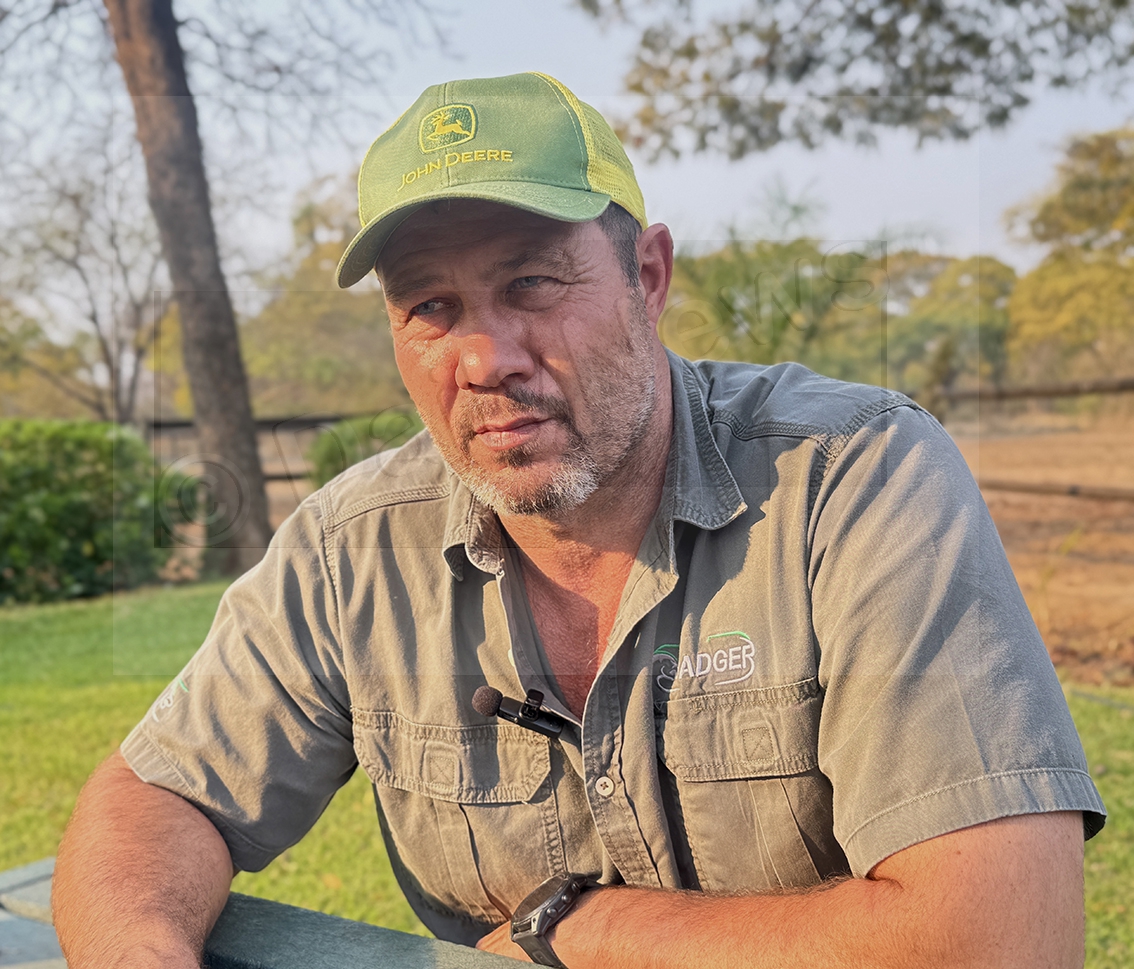
Prominent commercial farmer, Mr Jaco Strachan, is among farmers driving the shift from predominantly dryland farming to irrigation.
Having farmed in Pandamatenga for nearly two decades, Mr Strachan has spent the past four years producing wheat using centre-pivot irrigation systems, harvesting about four tonnes per hectare from 100 hectares.
He said wheat was a relatively low-input crop compared with other grains, making it a cost-effective option for farmers.
“Because wheat does not face persistent pressure from destructive pests throughout its lifecycle, farmers benefit from significantly lower pesticide costs and reduced labour requirements,” he said.
Mr Strachan said wheat generally required only one spray cycle after planting to control pests such as aphids and bollworms.
He said the preferred planting window for irrigated wheat was from late April to May, when temperatures were cooler and favourable for the crop.
However, he noted that some farmers planted as early as March this year, taking advantage of above-normal rainfall and abundant residual soil moisture, which reduced their reliance on artificial irrigation.
For Mr Strachan, the growing production must be matched by reliable markets.
He said his main commercial buyers were domestic millers Bolux and Bokomo, while private processors had also started sourcing his wheat for soft porridge production.
He said he was exploring opportunities to export wheat to neighbouring Zambia and Zimbabwe, given Pandamatenga’s proximity to the two countries and its position along existing trade routes.
However, he said expansion into regional markets remained constrained by legal requirements, export licensing and cross-border administrative procedures.
Mr Strachan said the Botswana Agricultural Marketing Board (BAMB) could play a greater role in opening international markets for local wheat farmers.
“Currently BAMB is not buying wheat from farmers and they can use their position to secure a market because there are trucks passing through Botswana carrying wheat from South Africa to Zambia and this could be our wheat,” he said.
Despite the crop’s potential, Mr Strachan identified inadequate electricity supply as one of the major constraints to agricultural expansion in Pandamatenga.
He said farmers relied heavily on diesel generators to power large centre-pivot irrigation systems, increasing the cost of production. ENDS
Source : BOPA
Author : Portia Keetile
Location : PANDAMATENGA
Event : Interview
Date : 23 Sep 2026
Related News

15 Oct 2026
Grow 365 equipsyouthwith skills in hydroponics


13 Oct 2026