



Africa needs stronger systems to harness resources
22 Sep 2026
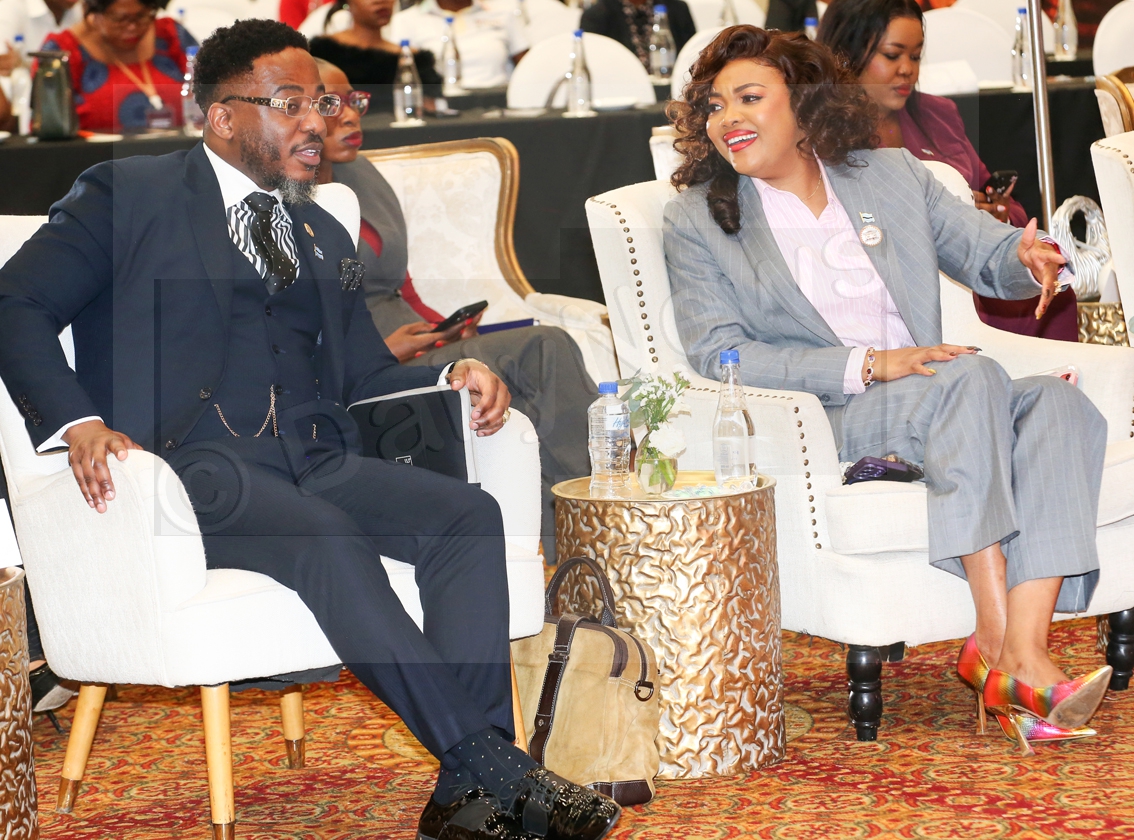
Africa’s development challenge is not a shortage of resources, but the absence of strong systems to ensure that those resources benefit its people, Goodwill Ambassador for ICLGEM, Professor Dr Tal Edgars, has said.
Speaking at the Pan African Game Changers Summit in Gaborone recently, Prof. Dr Edgars argued that Africa had made numerous commitments through agreements and institutions, but the major challenge remained turning those commitments into tangible results.
“Africa is not short of resources. It is short of the architecture that ensures those resources serve Africa,” he said.
He said the continent had established constitutions, electoral commissions, courts, human rights commissions and anti-corruption institutions, but questioned whether such structures were consistently delivering accountability and good governance.
He said a distinction should be made between having formal democratic structures and ensuring that those structures worked effectively in practice.
He also challenged African countries to examine whether continental agreements were being implemented beyond their signing ceremonies.
He cited initiatives aimed at strengthening continental integration, including the African Continental Free Trade Area (AfCFTA), saying agreements alone could not transform economies unless governments, finance ministries, customs authorities and border agencies translated them into action.
“Continental integration is not a sandwich declaration,” he said.
On economic transformation, Prof. Dr Edgars said Africa continued to export raw materials while importing finished products, meaning that much of the value created from the continent’s resources was captured elsewhere.
That, he said needed to change if Africa was to build stronger economies and create meaningful opportunities for its growing young population.
He said Africa’s youth population represented significant potential, but warned that demographic growth would not automatically translate into economic prosperity without the right systems, skills and opportunities.
He further called for greater investment in critical skills, saying Africa needed to develop people capable of driving innovation and solving problems rather than simply producing workers for existing economic structures.
Using Botswana as an example, Prof. Dr Edgars said the country inherited limited infrastructure and human-resource capacity at independence but invested in institutions, education and infrastructure while maintaining fiscal discipline.
He said Botswana’s experience demonstrated the importance of institutional capacity in turning national resources into development.
He also disapproved what he described as the movement of wealth generated from African countries into offshore accounts, arguing that such practices undermined the continent’s ability to retain the benefits of its own resources.
He said Africa therefore needed to focus not only on identifying its challenges, but also on building institutions capable of sustaining policies beyond changes in political leadership.
According to Prof. Dr Edgars, frequent changes in government leadership can result in policies being abandoned or reset instead of being maintained and improved.
“There’s leadership and misleadership. Don’t confuse the two,” he said.
He challenged African leaders and citizens to examine whether the continent’s institutions, policies and agreements were delivering on the promises made to its people.
The Pan African Game Changers Summit was held under the theme: Africa Rises. Her Leadership Responds, bringing together participants to discuss the continent’s development challenges and the response required from its leaders, institutions and citizens. ENDS
Source : BOPA
Author : TUMISANG MOILWA
Location : Gaborone
Event : Pan African Game Changers Summit
Date : 22 Sep 2026
Related News
22 Sep 2026

22 Sep 2026
Rising vaping usage worrisome
22 Sep 2026