



Botswana sport comes of age

21 Sep 2026
For decades, the global sporting map featured a glaring blank space where Botswana should have been.
Dismissed early on as the ‘whipping boys of Africa’ in football and left with virtually no formal athletic infrastructure at independence in 1966, the nation seemed destined for perpetual obscurity.
Yet, what unfolded over the decades that followed was nothing short of a cinematic transformation.
Today, the ‘Diamond Nation’ has polished its raw athletic potential to emerge as a globally feared powerhouse, routinely shattering world records and rewriting international sport history.
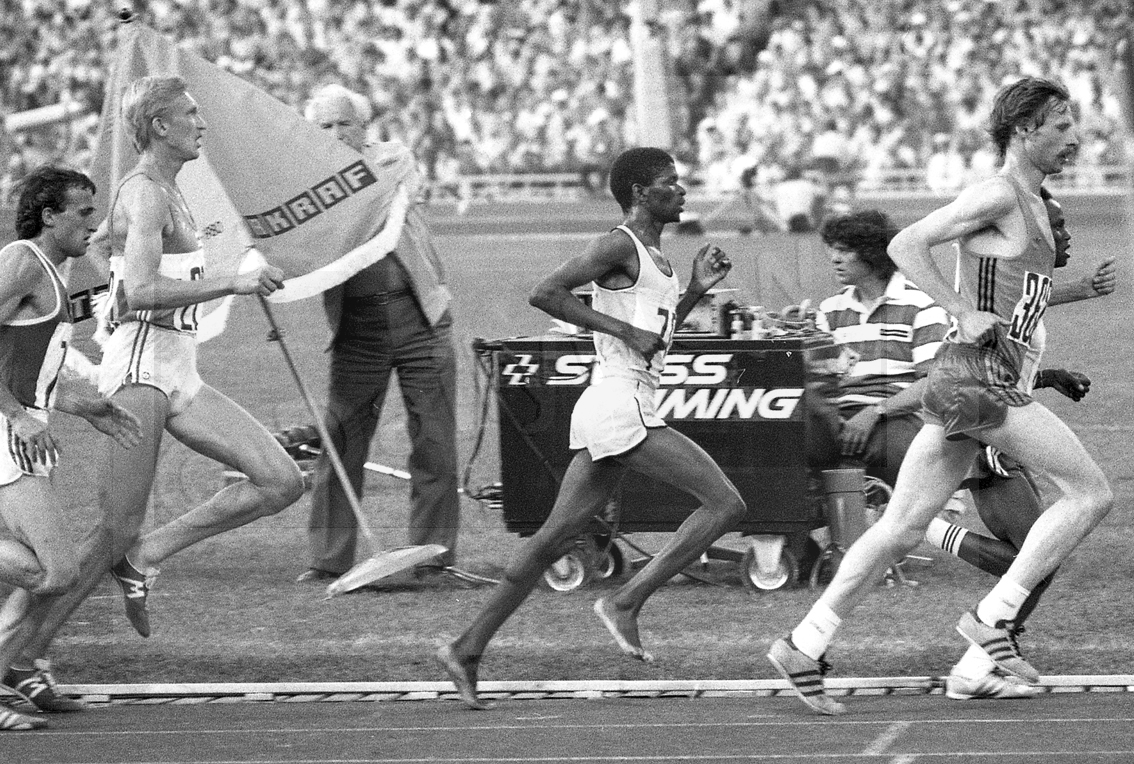
In the pre-independence era and the early years of the new republic, the nation’s sporting narrative was defined almost entirely by football.
Unfortunately, that narrative was painful and Botswana was routinely labelled by its heavy losses against regional and continental giants.
Even when legendary Ghanaian tactician, Ben Koufie arrived to serve as the Botswana Football Association (BFA) technical director from 1992 to 2001, implementing a robust and structured youth development plan, the ultimate breakthroughs remained out of reach.
During his decade-long tenure, Botswana simply could not qualify for the World Cup or the Africa Cup of Nations (AFCON).
When Botswana gained its independence on September 30, 1966, the landlocked nation was largely known for its agricultural roots and newly discovered diamond pipes, lacking any formal authority or infrastructure to organise sport across the country.
Fast forward to today, Botswana has engineered a historic sport revolution, transforming itself into an athletic superpower.
This is the story of how the country polished its raw talent to achieve post-independence sporting immortality.
The foundation of this success was built on strategic governance.
Recognising that talent required structure, the post-independence government took decisive legislative steps to professionalise sport, beginning with the creation of the Bechuanaland National Sports Appeal Fund in 1965 to raise initial funds for playing venues and equipment.
By 1975, Parliament enacted the Botswana National Sports Council Act, uniting all fragmented sport codes under a single governing umbrella.
The formal recognition of the Botswana National Olympic Committee (BNOC) followed in 1980, paving way for international exposure.
Finally, the launch of the Department of Sport and Recreation in 1997 cemented direct government policy and financial funding frameworks for elite and grassroots athletes.
The country’s international timeline showcases a steady rise from regional participants to world-beating champions.
The breakthrough began in 1986 when Barb Anderson won a bronze medal in bowling at the Commonwealth Games, marking Botswana’s first-ever major international podium finish.
In 2010, Amantle Montsho won gold in the women’s 400m at the Delhi Commonwealth Games, introducing Botswana as a dominant force in world sprinting.
The Olympic breakthrough came in 2012 when Nijel Amos clinched a historic silver medal in the men’s 800m at the London Games.
The nation’s collective depth in relay sprinting was validated at the Tokyo Olympic Games when the men’s 4x400m team won bronze.
History was completely rewritten at the Paris 2024 Olympic Games when Letsile Tebogo won a historic gold medal in the men’s 200m and a silver in the 4x400m, cementing himself as the first African ever to win Olympic 200m gold.
This golden era reached new heights at the World Athletics Championships, where Collen Kebinatshipi won gold in the men’s 400m with a world-leading time of 43.53 seconds, while the relentless 4x400m squad claimed the historic world title.
While track and field leads the golden charge, Botswana’s sporting spirit has diversified far beyond the athletics track.
In football, the long-term seeds sown during the Ben Koufie era, which aggressively targeted grassroots identification, ultimately groomed a generation of national heroes.
Iconic legends like Diphetogo ‘Dipsy’ Selolwane, Sox Molwantwa and Mokaedi ‘Barnes’ Maplanka all emerged through these very structures.
Their development eventually blossomed into reality when the Zebras shed their underachiever label to make history by qualifying for their maiden AFCON tournament in 2012.
Today, stars like Tumisang Orebonye, Refilwe Tholakele and elite goalkeepers, Sedilame Bosija and Goitseone Phoko, have successfully penetrated top-tier leagues across Africa and Europe.
In tennis, Ntungamili Raguin stands as a shining beacon of hope and achievement, etching his name into sport history as the first Motswana to ever compete, win a match and advance to the semifinals of a Junior Grand Slam tournament, executing breathtaking runs on both the hard courts of the Australian Open and the historic lawns of Wimbledon.
In motorsport, legendary rider, Ross Branch, continues to fly the national colours proudly across gruelling global circuits like the Dakar Rally.
Meanwhile, emerging codes like tennis and swimming are continuously grooming new talent.
Post-independence sport maturity in Botswana is also reflected in its exceptional hosting capabilities.
The country successfully organised the African Youth Games in 2014 and the Netball World Youth Cup in 2017 and was selected by World Athletics to host the highly anticipated World Relays in Gaborone.
These successful events have proven to the world that Botswana is not just a participant, but a benchmark destination for global sport management.
As diamond-driven revenues face fluctuating global demand, government and stakeholders are now pushing to fully commercialise and professionalise sport.
The vision is to position sport as an alternative sustainable economic engine by exporting local talent and creating a thriving domestic industry.
From dusty community grounds to a stunning collection of Olympic gold and world championship titles, sport has become Botswana’s greatest instrument of national pride, social unity and global visibility as the nation celebrates 60 years of independence. ENDS
Source : BOPA
Author : Anastacia Sibanda
Location : Gaborone
Event : Feature
Date : 21 Sep 2026
Related News
22 Sep 2026

22 Sep 2026
Rising vaping usage worrisome
22 Sep 2026