


Eastfort Holdings bets on irrigation to expand horticulture
17 Sep 2026
For decades, Pandamatenga has stood undisputed as Botswana’s grain basket, stamped as a frontline defence for the nation’s food security.
Beneath the surface of these black cotton soils, a new revolution is taking root as Pandamatenga farmers step into a new era, diversifying from purely rain-fed arable farming into high-tech irrigated horticulture.
The impact of this agricultural shift is visible along the A33 road in the winter season, as Batswana drive hundreds of kilometres in their matshelonyana (small cars) to load bags of potatoes, butternuts, and onions for distribution to informal markets.
The reach of this green wave goes far beyond street corners, having successfully penetrated the highly competitive retail space by taking up shelf space in major supermarkets.
With just a few years in the horticultural business, Eastfort Holdings has established a significant footprint in the sector by utilizing advanced irrigation systems.
The company, founded in 2008 by Mr Kaarl Viljoen, initially undertook large-scale, rain-fed grain farming, relying primarily on seasonal rainfall to sustain its crops.
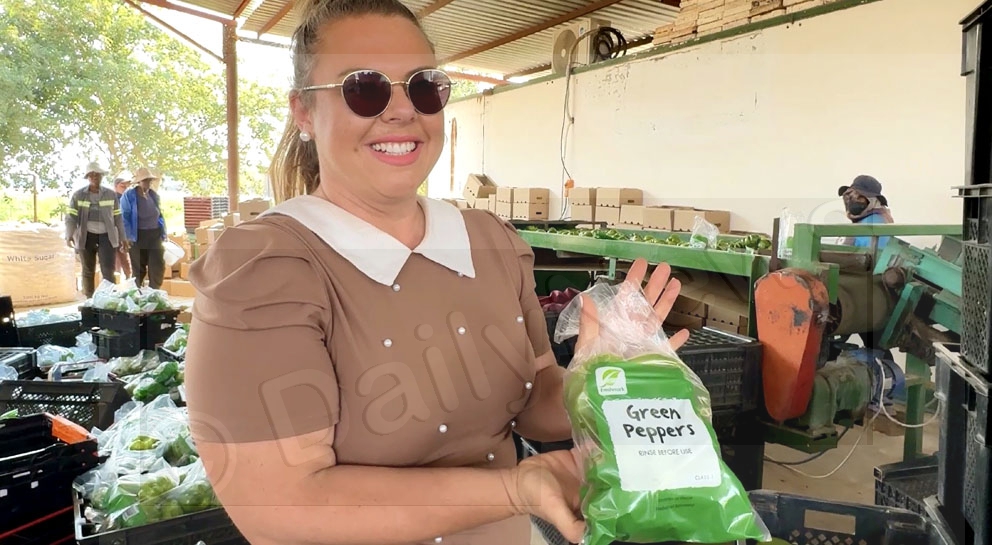
According to Eastfort Holdings manager, Ms Jorine Rich, tapping into irrigation has unlocked new potential for the company, allowing them to shield crops from dry spells and use Pandamatenga fertile black cotton soils to produce nutritious food all year round.
She stated that this strategic pivot is paying dividends not only for the company, but also for Batswana who buy produce to sell on the streets, feed their families, and supply large retailers.
Ms Rich noted that they strategically schedule crop production during the winter season to capitalise on Chobe’s mild, frost-free winter, which protects vulnerable vegetables like tomatoes from severe cold.
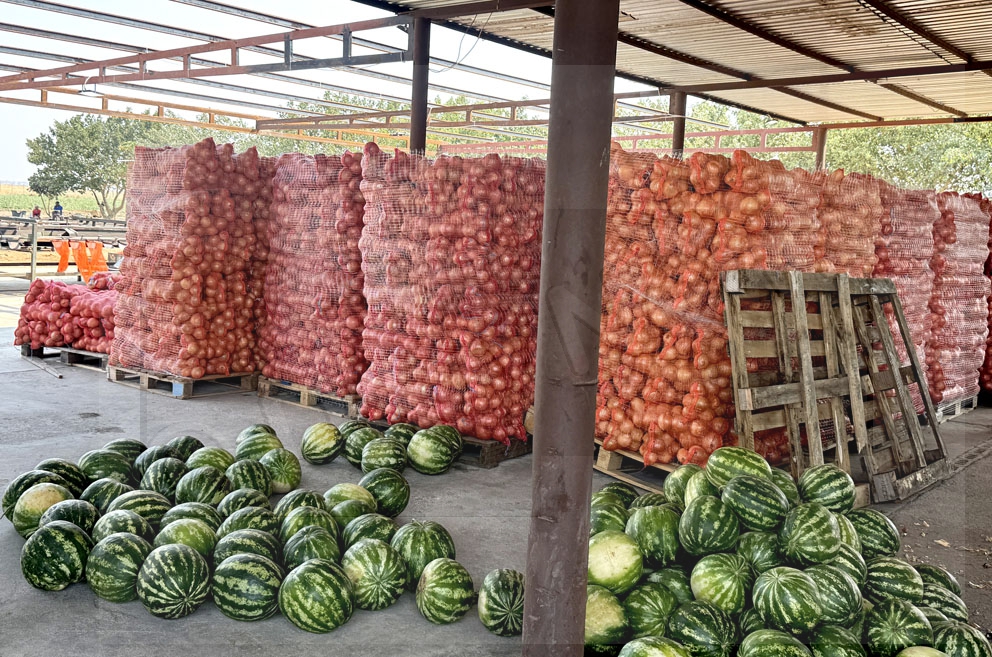
During the current farming cycle, the estate successfully cultivated and harvested a mix of high-value crops, including onions, tomatoes, green peppers, watermelons, and sweet potatoes, while currently nurturing butternuts timed to hit the market in the November harvest window.
Ms Rich stated that from 3.5 hectares of tomatoes planted, Eastfort estimated a harvest of 140 tonnes, while 4.5 hectares produced 120 tonnes of green peppers, with both vegetables still under harvest.
Furthermore, they planted a total of 22 hectares of onions, currently being harvested, and five hectares of watermelons, which started harvesting this week.
The manager revealed that they faced severe market disadvantages at the opening of the season due to borders remaining open for vegetable imports.
However, she noted that following appeals from farmers, the government intervened with a winter vegetable import ban, which enabled them to secure a local market, mostly for tomatoes with a short shelf life.
Eastfort Holdings employs 25 permanent workers and an additional 170 temporary personnel for the harvesting season, handling tasks ranging from picking to packaging. Ms Rich relayed they maintain a healthy crop yield through rigorous pest control and timely spraying strategies.
Despite logistical concerns from retailers regarding Pandamatenga’s remote location, she stated that most networks have adapted by utilizing backhaul trucking. Trucks transporting goods to Kasane load farm produce at Pandamatenga on their southbound return trips.
Additionally, the company owns a fleet of trucks that transport vegetable produce to customers in Francistown and Gaborone. Ms Rich stated that agro-processing is an avenue the company would like to explore in the future by conducting research, securing capital, and investing in machinery to add value to their produce. ENDS
Source : BOPA
Author : Portia Keetile
Location : Pandamatenga
Event : Interview
Date : 17 Sep 2026
Related News


13 Oct 2026
Expo sparks regional leather expansion


12 Oct 2026
Partnership to boost vehicles maintenance
12 Oct 2026
Farmers urged to treat agriculture as a business

12 Oct 2026