


National Health Insurance to bridge gaps
09 Sep 2026
The National Health Insurance Policy is expected to improve access to quality healthcare by ensuring that people receive timely and equitable health services regardless of their financial status. .
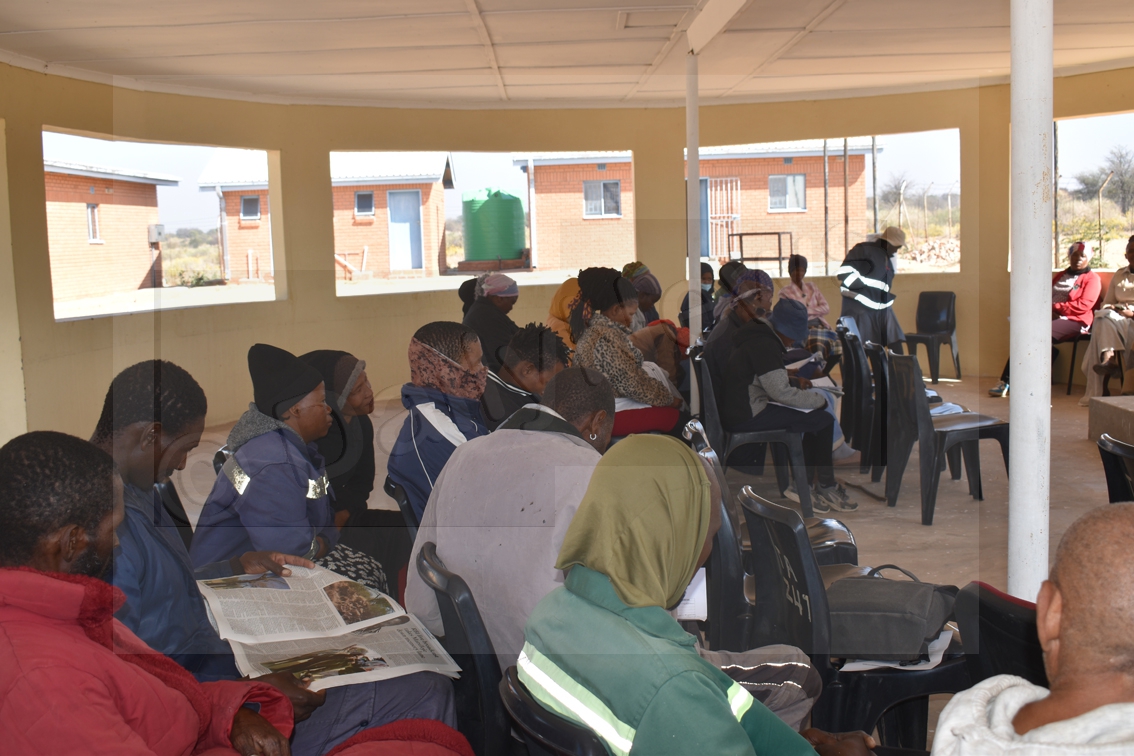
Speaking during a consultative meeting on Monday, public physician Dr Lorato Sekhomba said the policy would enable every Motswana to access healthcare services at affordable costs regardless of where they lived, eliminating the need for people in rural areas to travel to urban centres in search of better healthcare.
She added that the policy would also cover foreigners who are legally permitted to stay in Botswana, as it was intended to provide healthcare access to everyone.
Dr Sekhomba further said the policy was designed to strengthen the country’s health system and ensure that it remained resilient in the face of future health emergencies.
She said the COVID-19 pandemic had exposed challenges within the health sector, but that the National Health Insurance would help the country better withstand similar challenges in the future.
Dr Sekhomba emphasised that the policy was intended to be a permanent system, ensuring that everyone has equal access to healthcare benefits regardless of their circumstances or place of residence. She explained that registration for the National Health Insurance Policy would be conducted mainly through online platforms. However, those aged 16 years and above would be required to present their national identity cards when registering, while parents or guardians registering children below the age of 16 would be required to present their birth certificates at their nearest health facilities.
Dr Sekhomba said the policy was still being developed, with the ministry working on its implementation framework to ensure that it responded effectively to the needs of the health sector.
She explained that investigations would be conducted into areas such as the availability of medicines, healthcare infrastructure and other essential resources before the policy was fully implemented, to ensure that its implementation aligned with the country’s healthcare needs.
Dr Sekhomba further explained that the National Health Insurance Policy would be implemented in three stages, with the country currently at the first stage, which involves developing the implementation framework.
She said the stage included assessing the availability of medicines, healthcare infrastructure and other essential resources to ensure that the policy was aligned with the needs of the health sector.
She said the second stage would involve piloting the policy in selected areas to assess its effectiveness and gauge the response from beneficiaries. If the pilot produced positive results, the policy would then be rolled out nationwide.
However, she noted that any challenges identified during the pilot phase would be addressed and the necessary amendments made efore nationwide implementation.
Policy planning and financing officer, Ms Onalenna Mokena said the National Health Insurance Policy would be implemented in accordance with the law, making it mandatory for Batswana to be covered under the scheme.
She explained that government would finance the insurance, while ongoing assessments would determine the cost of the scheme and identify sustainable sources of funding.
Ms Mokena said contributions would also be required from Batswana, businesses and other identified sources, with the amount payable determined after assessing an individual’s income and economic status.
According to Ms Mokena, the policy would strengthen strategic planning in the sector by requiring thorough research and price comparisons before the procurement of medicines, equipment and other essential resources. She said the approach would help ensure that only necessary items were purchased at competitive prices, allowing government to reduce wastage and make better use of funds allocated to healthcare.
Ms Mokena said the government was working with the private health sector to reduce the cost of healthcare services and minimise price disparities between private healthcare providers.
She said efforts were also underway to introduce a performance-based incentive system for doctors and nurses, through which health workers would receive additional payments based on their performance.
Ms Mokena stated that the initiative was intended to motivate health workers to improve service delivery and ensure that patients received the care they deserved.
She further said the policy would promote medical outreach initiatives, through which doctors and nurses would identify and engage people with health concerns, allowing diseases to be detected and addressed at an early stage.
She said early intervention would help prevent conditions from worsening and ultimately improve health outcomes.
Ms Mokena said the policy would also introduce an essential healthcare package outlining the benefits and services to which every beneficiary would be entitled.
She said this would promote transparency by clearly defining the healthcare services that government was obligated to provide, enabling citizens to hold it accountable if it failed to deliver on its commitments under the policy and the law.
Ms Mokena further explained that the National Health Insurance scheme would operate as a State-owned enterprise (SOE), independent from direct government administration.
She said this would allow the scheme to purchase healthcare services from both public and private providers, creating competition between the two sectors and encouraging improvements in the quality and efficiency of healthcare services. She added that the scheme would also recognise the role of traditional healthcare practitioners in the country’s health system.
According to Ms Mokena, the Ministry of Health was exploring ways of working with traditional practitioners so that they could contribute to treating certain illnesses and potentially claim payment for eligible services through the insurance scheme.
Zutshwa councillor Mr James Kakego welcomed government’s efforts to address challenges facing the country’s healthcare system, saying the National Health Insurance Policy was a step in the right direction.
He particularly welcomed the proposed inclusion of traditional healthcare practitioners, saying traditional medicine has long been part of Batswana culture and could complement modern healthcare.
Mr Kakego encouraged Zutshwa residents to make use of both modern and traditional healthcare where appropriate, noting that some less serious ailments could be treated using traditional herbs found within the community.
Source : BOPA
Author : Samantha Gabaeme
Location : ZUTSHWA
Event : Consultation meeting
Date : 09 Sep 2026
Related News


05 Oct 2026
Zimbabwe to begin cloud seeding

05 Oct 2026
Government commits to 100 000 homes by 2028

05 Oct 2026
Balance tourism growthwith ecological protection
05 Oct 2026