


Biltong business opens new horizons for Kgalagadi youth
07 Sep 2026
The aroma of a seasoned, air dried meat may seem an ordinary snack in a locality like Kgalagadi North, where meat is more of a staple food.
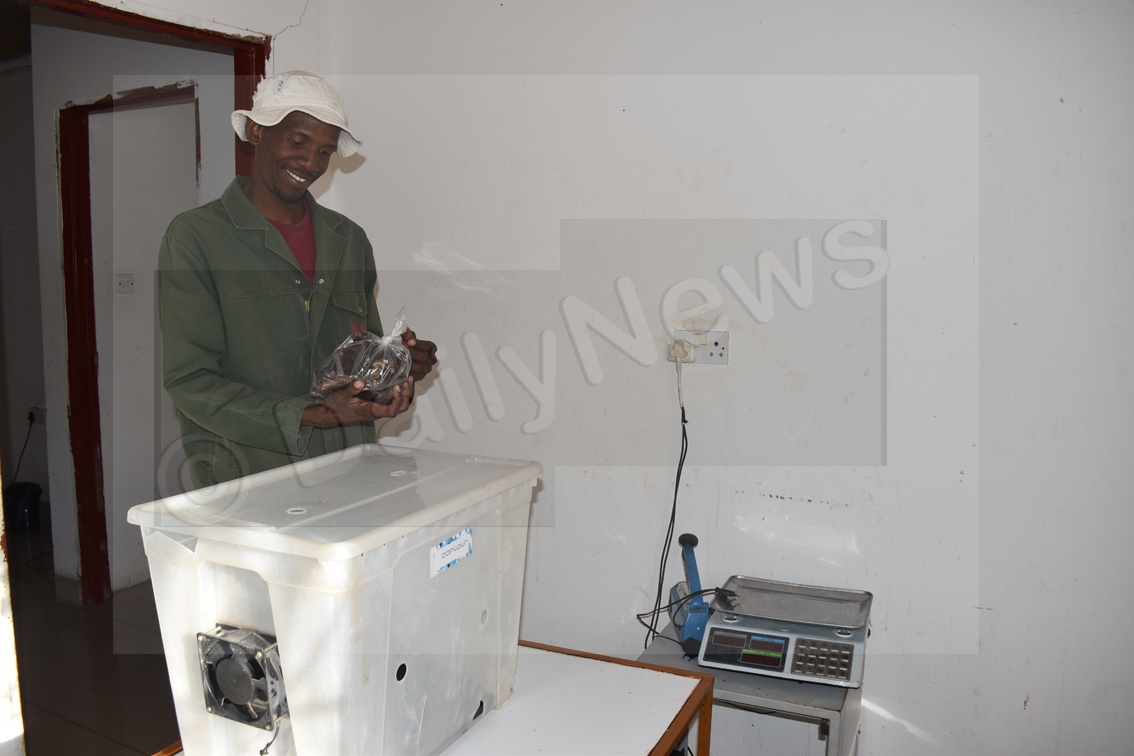
However, 32-year-old, Keheletswe Keapereng has taken the abundance of meat a step further, turning a traditional delicacy into a cash cow.
For the Tshane native, strips of beef have become the foundation of a business that has carried him through uncertainties presented by life.
His ingenious undertaking demonstrates how young people can turn locally available resources into sustainable enterprises instead of idling, waiting and hoping to get formal employment.
Mr Keapereng says Kgalagadi North offers business opportunities in the agriculture sector value chain, waiting for young people to explore.
He mentions that value-added businesses could generate attractive returns while improving livelihoods, growing and diversifying the district economy.
The business has widened the market for the local cattle farmers, as he buys cattle for slaughter, specifically for biltong production.
Since the business was on an upward trajectory, Mr Keapereng has found it necessary to starting rearing cattle and by so doing warrant reliable supply of meat for his biltong making business.
Prior to venturing into biltong business, Mr Keapereng with some of his peers worked on an idea of establishing a cooperative.
However, the idea collapsed amid group dynamics, as members failed to agree and chat a way forward.
“Initially, I wanted to form a cooperative, but because of group dynamics among the members, we were unable to achieve this and I ended up leaving,” he says. Rather than allowing the disappointment to discourage him, Keapereng decided to fend for himself.
After many trials of some business venture, Mr Keapereng finally established something with a break through; the biltong making business.
However, Mr Keapereng says the ongoing fight against Foot and Mouth Disease has affected his business as the imposed restrictions on cattle slaughter among others has disrupted his operations. While waiting for the challenge to pass, Mr Keapereng has diversified his sources of income.
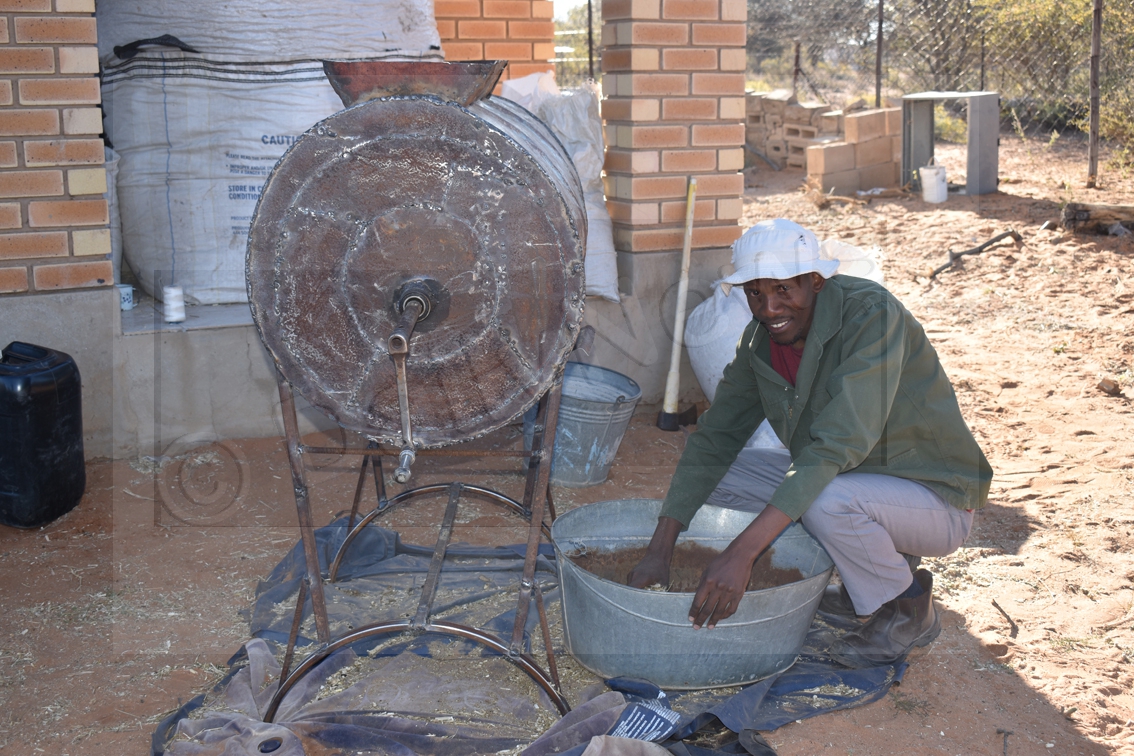
He has partnered with a Botswana University of Agriculture and Natural Resources (BUAN) graduate to explore cattle fodder production. The duo are developing a feed mixer and working toward producing livestock feed for the local market. He believes the initiative could fill a gap in Kgalagadi North, as there are no established fodder producers despite the district’s livestock base. Mr Keapereng also sees potential in the region’s natural grass resources, which he says are suitable for cattle. “Kgalagadi has palatable grass most suitable for cattle, and an abundance of the grass can make it possible for us to make it in this business,” he quips.
Keapereng believes young people should look beyond traditional ploughing when considering business activities in agriculture. “Those not interested in farming can participate through processing, manufacturing, packaging and marketing, You do not necessarily have to plough to participate in agriculture,” he said.
He commended government’s efforts to promote economic diversification therefore urging young people to turn opportunities presented by the agricultural sector into viable businesses. Additionally, he advises young entrepreneurs to broaden their horizons through travel, benchmark, networking and participation in agricultural shows and exhibitions. Mr Keapereng said his journey toward establishing a biltong business began as a response to unemployment, becoming a lesson and eventually landing on a business opportunity from something viewed as ordinary. For Mr Keapereng, every strip of biltong represents more than food. It is evidence that determination, innovation and a willingness to explore the agriculture value chain can turn a locally available resource into a sustainable livelihood. ends
Source : BOPA
Author : Thuso Kgakatsi
Location : Hukuntsi
Event : Feature
Date : 07 Sep 2026
Related News

13 Oct 2026
Expo sparks regional leather expansion

12 Oct 2026
Partnership to boost vehicles maintenance
12 Oct 2026
Farmers urged to treat agriculture as a business
12 Oct 2026