


Government to pursue aquaculture development zones
03 Sep 2026
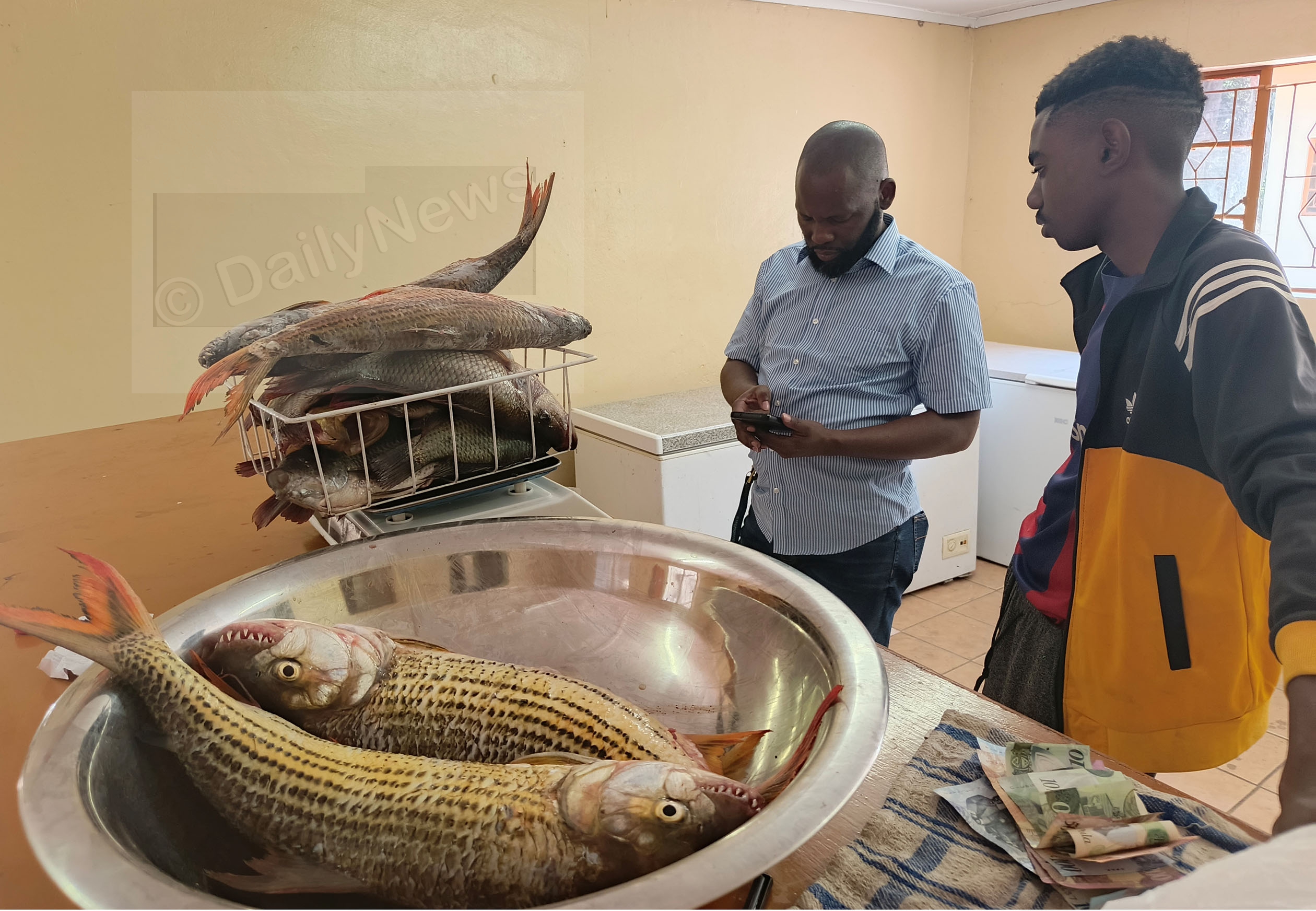
Government is set to establish Aquaculture Development Zones in areas with high production potential to attract investor interest and international development partners.
Under BETP, priority regions include Okavango, Chobe and the SPEDU area and the zones are designed to transition the nation from an import-dependent market into a self-sufficient and export-driven fish producer.
Acting chief scientific officer, Mr Isaac Batsile told stakeholders that government’s primary role was to create conditions for responsible fisheries and aquaculture businesses to succeed.
He noted that zoning effectively linked land, water, infrastructure, production services and value-chain development., adding that funding for the zones had already been secured.
“These designated zones will be serviced including infrastructure, production services and any other necessary infrastructure to easily attract investors,” he said, noting that zoning reduced investor uncertainty and streamlines extension services and provided environmental sustainability and water availability were maintained.
To support such growth, he said government was expanding hatchery capacity and focusing on genetic improvement.
He said plans included constructing an Okavango mini-hatchery in Shakawe and the facility would address the current shortage of fingerlings, which had previously constrained aquaculture projects in the Ngamiland region.
Currently, he indicated that the Mmadinare Fish Hatchery served as the primary national asset for fingerling supply.
“Additional hatchery capacity improves access to fingerlings in northern production areas and also genetic improvement of indigenous fish species is a longer-term intervention to improve productivity and resilience,” Mr Batsile noted, describing strategic hatchery development as both a production boost and an enabling policy intervention.
He further said government was also promoting a shift from raw fish production to a complete value-chain approach, linking quality seed, feed, harvesting, cold chain storage, processing and marketing.
“This structure aims to reduce post-harvest losses, create jobs and provide farmers with better market information, aggregation and reliable buyers,” he added.
He reiterated that the Department of Fisheries and Apiculture would continue to coordinate, facilitate and set standards while enabling private-sector participation.
To build reliable domestic markets, he said government was exploring links between local producers and state institutions, with a pilot project currently underway in the Kgatleng region to integrate locally raised fish into the home-grown School Feeding Programme, funded by the Food and Agriculture Organisation (FAO).
If successful, he said, the initiative would be rolled out nationwide to reduce reliance on meat-based diets .
“We will also ensure that stable domestic markets can make compliance economically worthwhile for farmers,” he said. ENDS
Source : BOPA
Author : Esther Mmolai
Location : Maun
Event : Interview
Date : 03 Sep 2026
Related News


13 Oct 2026
Expo sparks regional leather expansion

12 Oct 2026
Partnership to boost vehicles maintenance
12 Oct 2026
Farmers urged to treat agriculture as a business
12 Oct 2026