Prescribed fire burning vital for conservation
02 Sep 2026
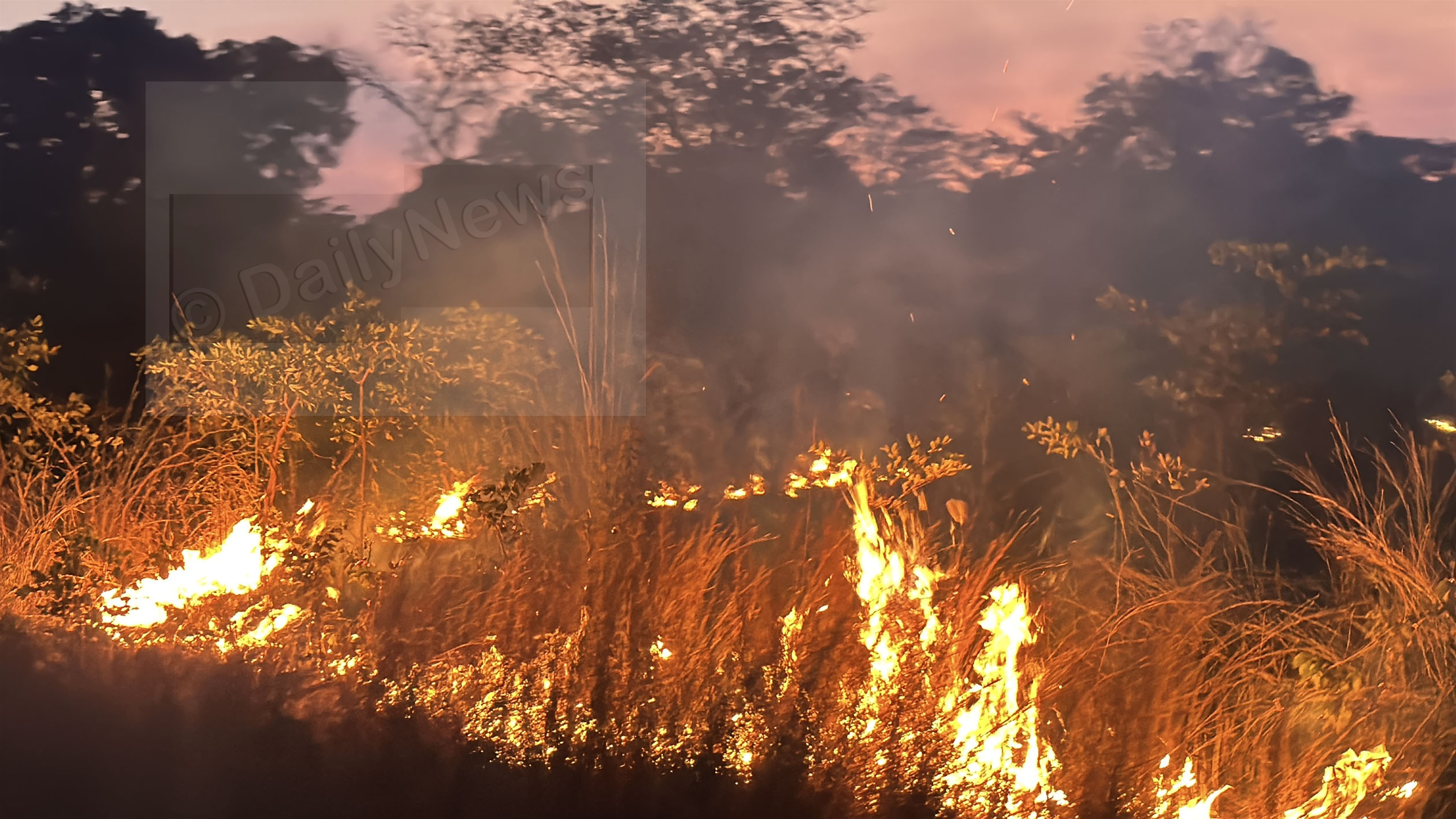
Prescribed early fire burning has emerged as a sustainable solution for environmental conservation and an opportunity for Botswana communities to integrate their indigenous knowledge with modern satellite data.
Introduced to Pandamatenga and Lesoma in 2021 by Australian company, MAKI Planet Systems in partnership with the Department of Forestry and Range Resources, the Savanna Fire Management framework has flipped the script on wildfire control.
MAKI Planet Systems-Australia CEO, Mr Julien Gastaldi explained that setting controlled, low-intensity fires early in the dry season effectively reduced accumulated vegetation, preventing the devastating, high-emission wildfires that historically ravaged Chobe National Park, communal rangelands, and forest reserves later in the year.
He revealed that the proactive environmental management had already yielded massive results, successfully extracting 45 000 tonnes of carbon from the atmosphere since its launch in Lesoma and Pandamatenga.
“By eliminating the heavy emissions linked to uncontrolled blazes, the practice creates certified carbon credits that can be sold directly to well-capitalised international buyers and eco-conscious corporations”.
Mr Gastaldi said the system, originally developed in Australia and used in Brazil, Zimbabwe and Namibia stood to net the Chobe community roughly US$300,000, translating to approximately P4 million per year.
However, he said because the framework was entirely new to Botswana, the country currently lacked the legal frameworks needed to regulate the carbon credit market and distribute these funds.
The Department of Forestry and Range Resources and MAKI Planet Systems are currently educating local populations on the market's potential while waiting for official guidelines.
Department of Forestry and Range Resources manager- for Chobe District, Mr Keletso Seabo confirmed that since the early burning exercise was piloted and implemented, it had successfully safeguarded critical forest reserves, communal rangelands, and the rich Chobe National Park.
He said by intentionally conducting controlled burns early in the dry season, the Savanna management framework safely reduced accumulated vegetation and fuel loads.
He alluded that the strategic intervention effectively mitigated the devastating, widespread impact of uncontrolled, late-dry-season wildfires that historically ravaged the landscape.
Moreover, Mr Seabo remarked that the innovative approach delivered environmental protection while positioning rural communities for a major economic transformation.
“Because these cool, early controlled burns release significantly fewer greenhouse gases than intense, wild late-season blazes, the district reduces overall emissions and generates measurable carbon savings”.
To fully unlock the financial benefits, Mr Seabo stressed the urgent need to expedite discussions around carbon credit trading regulations, adding that the pioneer of the framework, MAKI Planet Systems was engaged in consultative meetings with the Minister of Environment and Tourism.
He stated that formalising the market ensured that the local communities who invested their traditional knowledge and labour to control wildfires were rightfully rewarded, converting environmental conservation into a sustainable economic boost for the villages.
Ms Gladys Moses, chairperson of the Lesoma community fire team, joined the local fire control efforts in 2013, later adopting the innovative Savanna Fire Management framework introduced five years ago.
She is one of people in Chobe who had witnessed traditional wisdom and modern satellite data create a powerful defense against devastating wildfires.
Ms Moses shared that on the ground, firefighters used fuel and drip torches to conduct early dry-season controlled burns.
“This strategic burning reduces excess fuel loads, ensuring that crucial wildlife habitats, grazing lands, and thatch roofing grass are not wiped out by intense, late-season blazes.”
She called for the swift implementation of carbon credit market regulations to formalize those savings into revenue in order to unlock financial benefits for communities.
She opined that once a policy was enacted, such funding would reward community volunteers, secure advanced firefighting equipment, purchase field vehicles, and allow for direct reinvestment into village development projects, thus creating a sustainable blueprint for both environmental conservation and rural economic growth. ENDS
Source : BOPA
Author : Portia Keetile
Location : KASANE
Event : Launch
Date : 02 Sep 2026
Related News




04 Oct 2026