Africa contributes to global human rights
27 Aug 2026
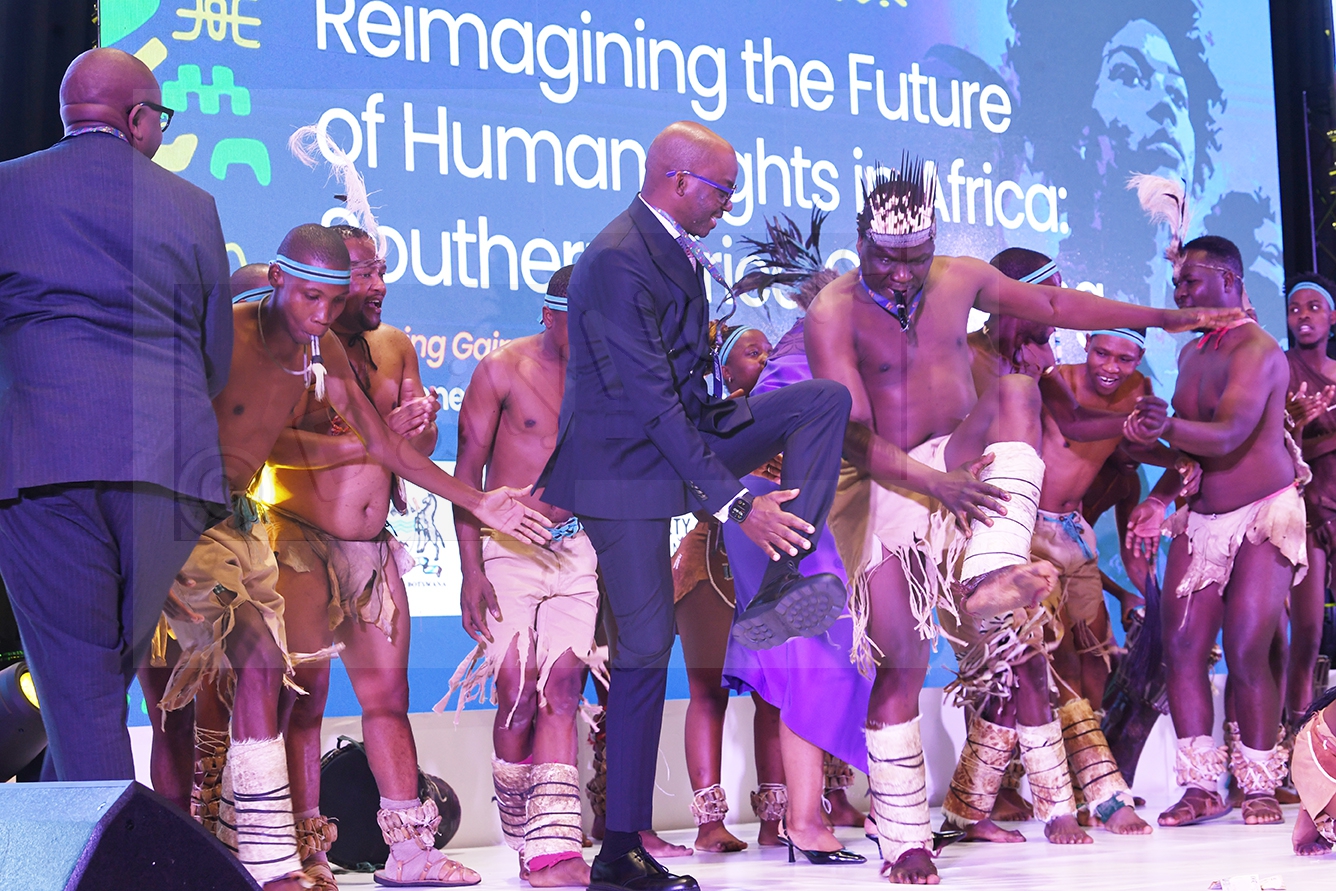
Africa has made significant contributions to the global human rights discourse that remain underappreciated and the contributions must be framed from a position of strength rather than weakness, Speaker of the National Assembly, Mr Dithapelo Keorapetse, has said.
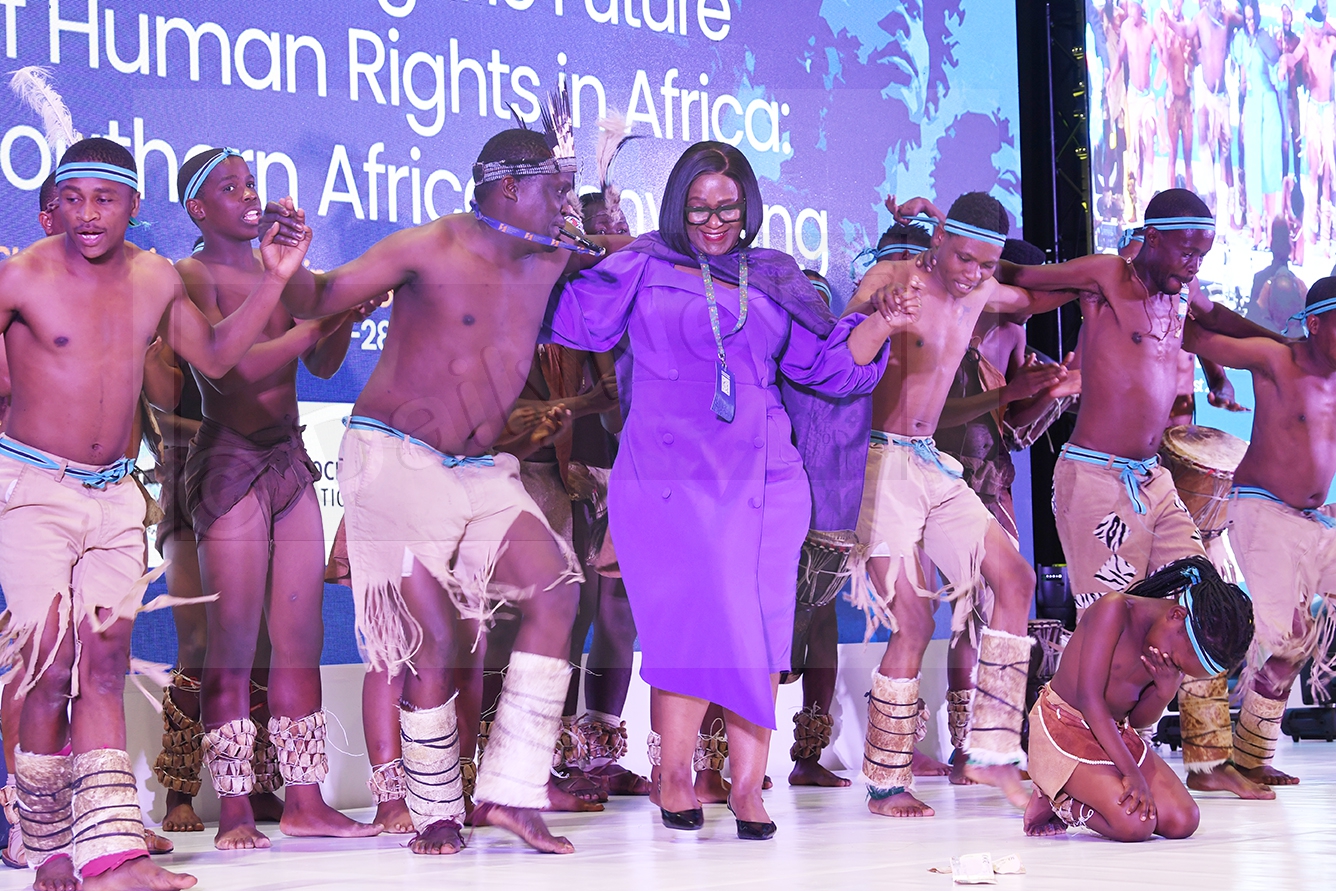
Speaking at the Re-Imagining the Future of Human Rights in Africa: Southern Africa Convening meeting on Wednesday, Mr Keorapetse noted that conversations regarding human rights on the continent often relied on external perspectives that do not reflect local experiences.
He said while human rights were universal, their future in Africa should be shaped by African voices, priorities and realities hence the importance of cultural values.
He noted that the African Charter emphasised individual duties, such as respecting parents and contributing to society’s moral well-being. He suggested that such duties were essential for making rights meaningful, adding that community support was crucial for the effectiveness of rights like education and social security.
Consequently, he stated that an ubuntu-centered framework required a solidarity-driven political economy, shifting focus from raw resource extraction toward value addition, job creation and domestic industrial capacity.
“This calls for a partnership between capital and labor to foster national development,” Mr Keorapetse said.
He added that President Advocate Duma Boko exemplified the integration of human rights with economic justice through his advocacy for marginalised communities.
“The President emphasises that land and cultural rights are human rights and his commitment to accountability lies with the people, not external entities,” Mr Keorapetse said.
He emphaised that African nations must not be passive subjects but active architects of human rights norms.
However, the Speaker acknowledged that significant challenges persisted across the continent, including inequality, discrimination and barriers to socio-economic opportunities, all of which demanded ongoing commitment.
He called on leaders and stakeholders to prioritise human rights in Africa’s development by fostering resilient, inclusive institutions that served everyone, particularly marginalised groups.
He noted that Botswana remained committed to democratic principles and the rule of law, recognising Parliament’s crucial role in upholding human dignity and facilitating citizen participation in policy-making.
Mr Keorapetse added that the dialogue offered an opportunity to reimagine existing frameworks, make institutions more responsive to emerging challenges and explore how Africa can enhance its influence in global human rights discussions through innovative ideas and partnerships rooted in African values.
Former UN High Commissioner for Human Rights, Ms Navanethem Pillay, noted that the region remained marked by the legacies of colonialism and apartheid, which had resulted in disparities and income gaps, prompting calls for a human rights-focused economy to achieve Sustainable Development Goals (SDGs) and gender equity.
Ms Pillay described Southern Africa’s extreme inequality as not merely an economic issue, but a human rights crisis that particularly impacted young people facing high unemployment and limited access to essential services.
Economic growth, she stated, had failed to generate sufficient job opportunities, especially in rural areas, with youth unemployment fostering social instability that was further exacerbated by competition for resources amidst migration pressures.She noted that while migration presented both opportunities and challenges, restrictive regulations often left migrants vulnerable.
Furthermore, she said Southern Africa was grappling with climate crises that compounded existing socio-economic inequalities, necessitating a strategy that combined immediate humanitarian relief with long-term resilience.
“Addressing these multifaceted challenges requires firm commitment to fundamental human rights, inclusivity and proactive governance,” Ms Pillay stated.
She highlighted the potential of the African Continental Free Trade Area (AfCFTA) Agreement to foster sustainable food systems and combat discrimination through legislative accountability. She added that AfCFTA underscored the need for robust domestic frameworks for digital transformation, which was essential for socioeconomic development and achieving the SDGs.
However, she cautioned that digital technologies also posed risks, such as surveillance and censorship, thus required vigilant civil society oversight.
Meanwhile, Regional Representative for Southern Africa at the Office of the UN High Commissioner for Human Rights, Ms Abigail Noko, stressed that human rights transcended institutions and must be envisioned collectively.
Ms Noko emphasised the importance of creating environments where diverse voices, including youth leaders, grassroots activists and policymakers, can collaborate to forge new paths forward.
She expressed hope that the dialogue would prioritise the daily realities of marginalised communities worldwide, including women, unemployed youth and other vulnerable groups. To effectively protect human rights, she said, discussions must centre on fostering dignity, opportunity and justice to make a meaningful impact in people’s lives. ENDS
Source : BOPA
Author : Ketshepile More
Location : GABORONE
Event : Convening meeting
Date : 27 Aug 2026
Related News
04 Oct 2026