


DCEC calls for media support to strengthen anti-corruption drive
27 Aug 2026
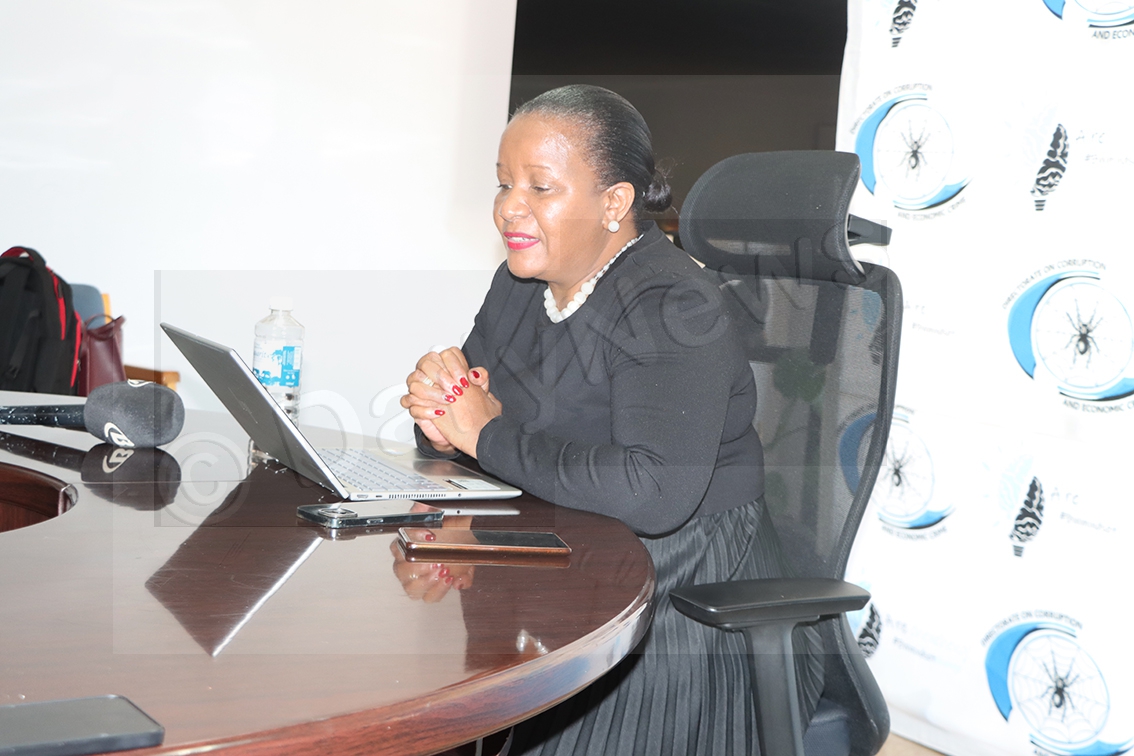
The Directorate on Corruption and Economic Crime (DCEC) has called for stronger collaboration with the media as part of efforts to prevent corruption, educate the public on reporting mechanisms and ensuring that credible information reaches communities.
DCEC director general, Ms Botlhale Makgekgenene said the fight against corruption could not be left to investigations and prosecutions alone, noting that prevention was equally critical in protecting public resources and strengthening confidence in institutions.
Ms Makgekgenene said DCEC was strengthening prevention measures in areas identified as particularly vulnerable to corruption, while pursuing investigations, following financial flows and working with relevant institutions to address weaknesses within their systems.
“Our objective is not only to investigate corruption after the damage has been done, but to prevent loss, trace proceeds where crime has occurred and ensure appropriate accountability,” she said.
Ms Makgekgenene said the agency had identified public procurement, land allocation and road transport licensing as areas requiring focused attention nationally, given their implications on public resources, economic opportunity and service delivery.
She said corruption in procurement could result in government paying more while receiving less or substandard goods and services, while compromised land processes could deny deserving citizens fair access to land.
Similarly, she said abuse of licensing processes could disadvantage those who followed the rules and create risks to public safety, citing the potential consequences of an unqualified person obtaining a driver’s licence illegally.
In strengthening prevention, Ms Makgekgenene said DCEC was working with relevant institutions to identify vulnerabilities and address them before they translated into losses, while its investigations continued to pursue suspected corruption and economic crime.
She further said the media was an important partner in such efforts because credible reporting could expose patterns, vulnerabilities and matters of legitimate public concern, which could subsequently inform assessment by competent authorities.
However, Ms Makgekgenene said the partnership should work both ways, with the DCEC providing timely and credible information while the media ensured that allegations were verified, properly contextualised and distinguished from established facts.
She said corruption allegations, investigations, decisions to prosecute and court findings represented different stages of the process and should not be presented as though they were the same.
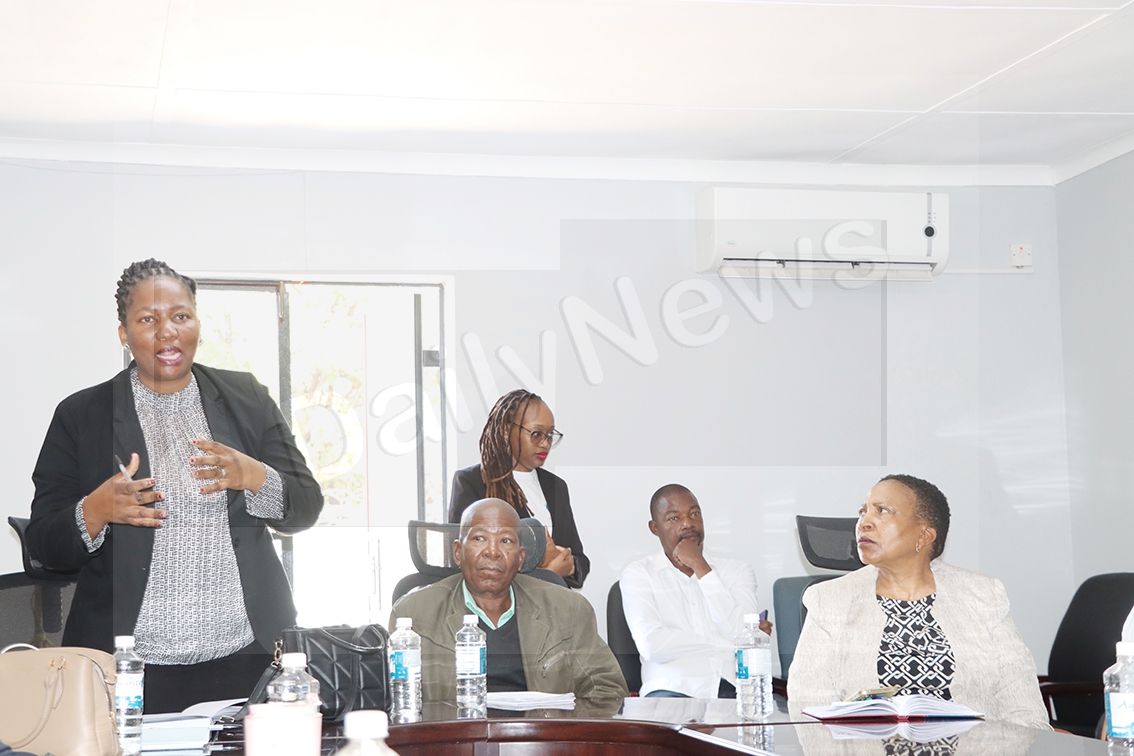
DCEC deputy director general for operations, Mr Thabo Malambane said closer collaboration with media houses was also necessary to improve public understanding of corruption and how it should be reported.
Mr Malambane said there was a need to educate members of the public who may not understand what constituted corruption, where to report suspected cases or how the reporting process worked.
He said media houses should therefore work hand in hand with the DCEC to educate communities and ensure that information on corruption reached the public in a manner that enabled them to recognise wrongdoing and take appropriate action.
The call came as the DCEC continued to strengthen public participation in the fight against corruption, with the agency having received 957 reports in 2025 compared to 687 in 2024 and 652 in 2023.
However, DCEC cautioned that the increase in reports should not automatically be interpreted as an equivalent increase in corruption but that the trend had nevertheless demonstrated the importance of continued vigilance and public confidence in reporting suspected wrongdoing.
Meanwhile, the directorate had announced further efforts to strengthen the media’s capacity to report corruption-related matters, with specialised training on court reporting scheduled for September 23 to 25 in collaboration with the University of Botswana’s Faculty of Law.
For his part, Mr Bright Kholi of Ngami Times welcomed the engagement, describing it as a positive development that would strengthen the relationship between the DCEC and media houses and improve the flow of information to the public.
Mr Kholi also welcomed the planned training, saying efforts to capacitate journalists on corruption-related issues represented a step towards positive change.
“This training is going to help strengthen the media’s ability to properly handle matters involving corruption hence the efforts are much appreciated,” he said.
The engagement came against the DCEC’s broader call for an informed public that can recognise warning signs, refuse to normalise corrupt conduct and report suspected corruption through appropriate channels. ENDS
Source : BOPA
Author : Gaolethoo Kgatitswe
Location : MAUN
Event : courtesy visit
Date : 27 Aug 2026
Related News

05 Oct 2026
Zimbabwe to begin cloud seeding
05 Oct 2026
Government commits to 100 000 homes by 2028
05 Oct 2026
Balance tourism growthwith ecological protection
05 Oct 2026