


Ministry FAO partnership to transform agriculture
26 Aug 2026
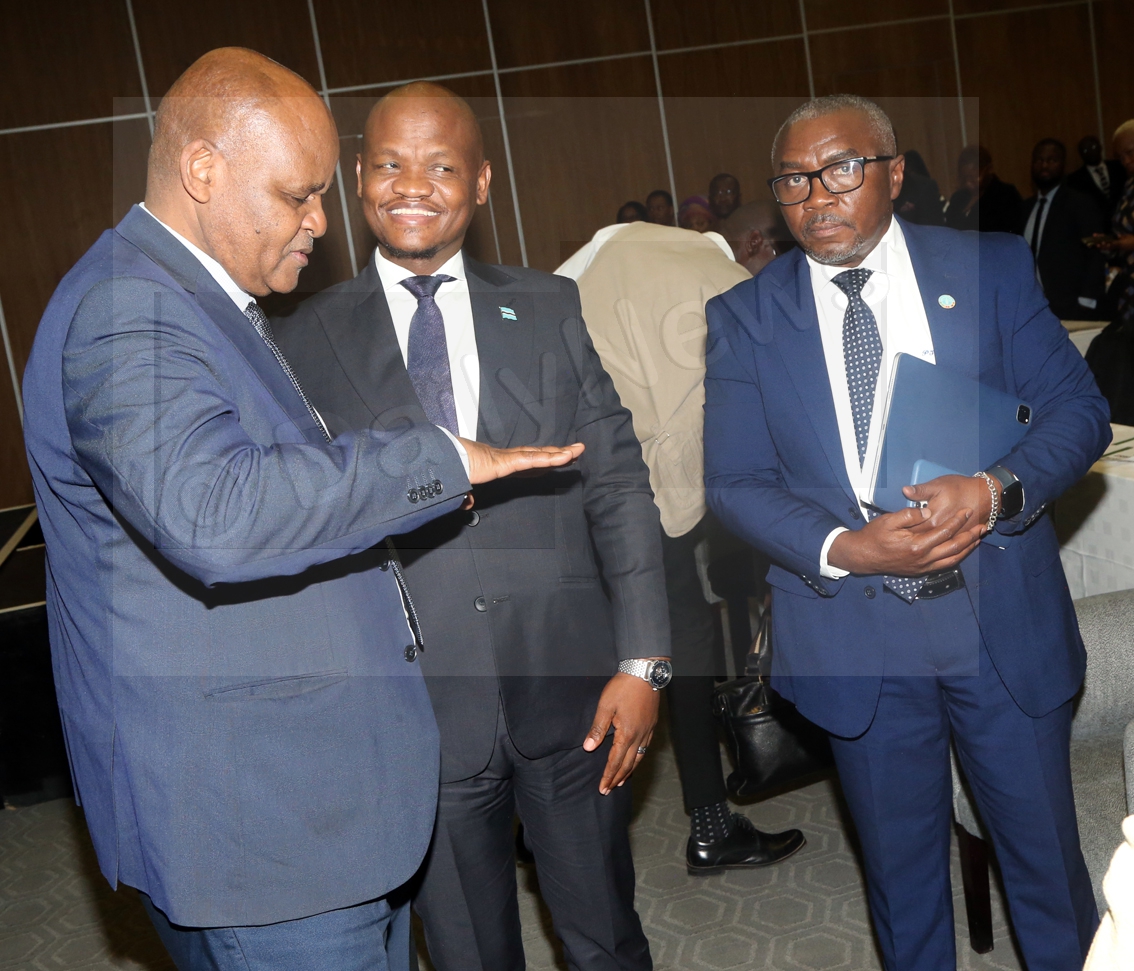
The Ministry of Lands and Agriculture and Food and Agriculture Organization (FAO) have reaffirmed their commitment to strengthening collaboration aimed at building a resilient agriculture sector that contributes meaningfully to Botswana’s economic transformation.
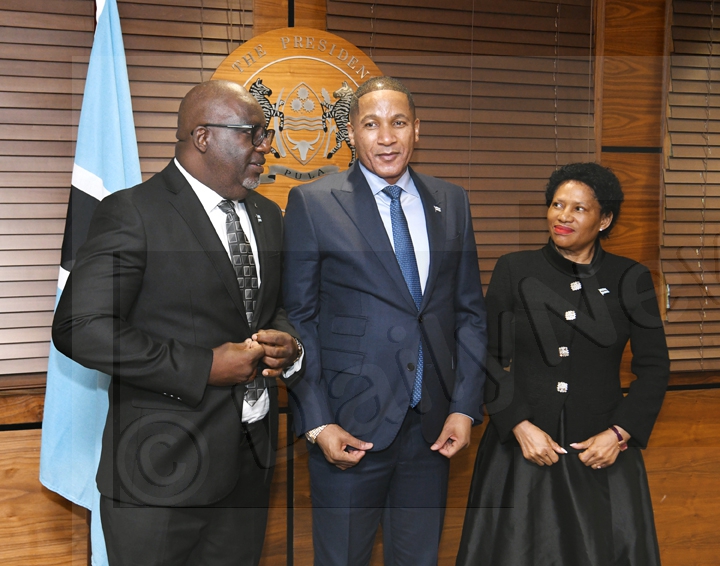
Addressing a high-level stakeholder engagement workshop, FAO Representative in Botswana, Dr Patrice Talla, said the platform provided an opportunity to identify development challenges and gaps, review progress on existing projects, share experiences and map practical solutions to improve the delivery and impact of joint programmes.
Dr Talla said the partnership between government and FAO was guided by the Country Programming Framework (CPF), which focused on strengthening evidence-based policies and regulatory frameworks, developing sustainable and competitive agricultural value chains, improving food and nutrition security and promoting sustainable management of natural resources in the face of climate-related shocks.
“Through our partnerships with government and other stakeholders, we have made significant progress in implementing the CPF through joint efforts in horticulture, aquaculture, apiculture, food safety, animal and plant health, sustainable land management, ecosystem restoration and wildlife management, among other areas,” he said.
He said the interventions contributed directly to Botswana’s national development priorities.
For his part, Minister of Lands and Agriculture, Dr Edwin Dikoloti, commended FAO for mobilising stakeholders to chart a new course for agriculture and restore the sector as an engine of economic emancipation.
“Agriculture has been deeply rooted in our national identity, transforming the economy and significantly contributing to GDP since before independence. We need to return to the crossroads by reclaiming, rebuilding and restoring agriculture into a more productive, commercially viable and climate-resilient sector, with FAO as such a significant development partner,” he said.
Minister Dikoloti noted that agriculture’s contribution to the economy had declined over the years to about two per cent of GDP, despite continued government investment in the sector.
He said the ministry had set an ambition to increase agriculture’s contribution to GDP to six per cent.
Despite persistent food security challenges, Minister Dikoloti said government remained committed to increasing the national cattle population to five million within the next five years as part of efforts to strengthen the sector’s contribution to the economy.
He said recurrent droughts, el niño events, climate variability, land degradation, water scarcity, rising production costs and livestock diseases continued to constrain agricultural production.
“These challenges are interconnected, requiring an integrated, science-based and sustainable response in building a climate-smart and resilient sector,” he said.
Minister Dikoloti further acknowledged that transforming agriculture required collective effort, saying no single institution could achieve the desired transformation alone.
He commended FAO for supporting the sector beyond project design and implementation, particularly in scaling up successful interventions and ensuring that the benefits reached farmers, entrepreneurs and communities across the country. ends
Source : BOPA
Author : Mpho Mosojane
Location : Gaborone
Event : Workshop
Date : 26 Aug 2026
Related News

05 Oct 2026
Zimbabwe to begin cloud seeding
05 Oct 2026
Government commits to 100 000 homes by 2028

05 Oct 2026
Balance tourism growthwith ecological protection
05 Oct 2026