


DWNP reviews elephant management plan
20 Aug 2026
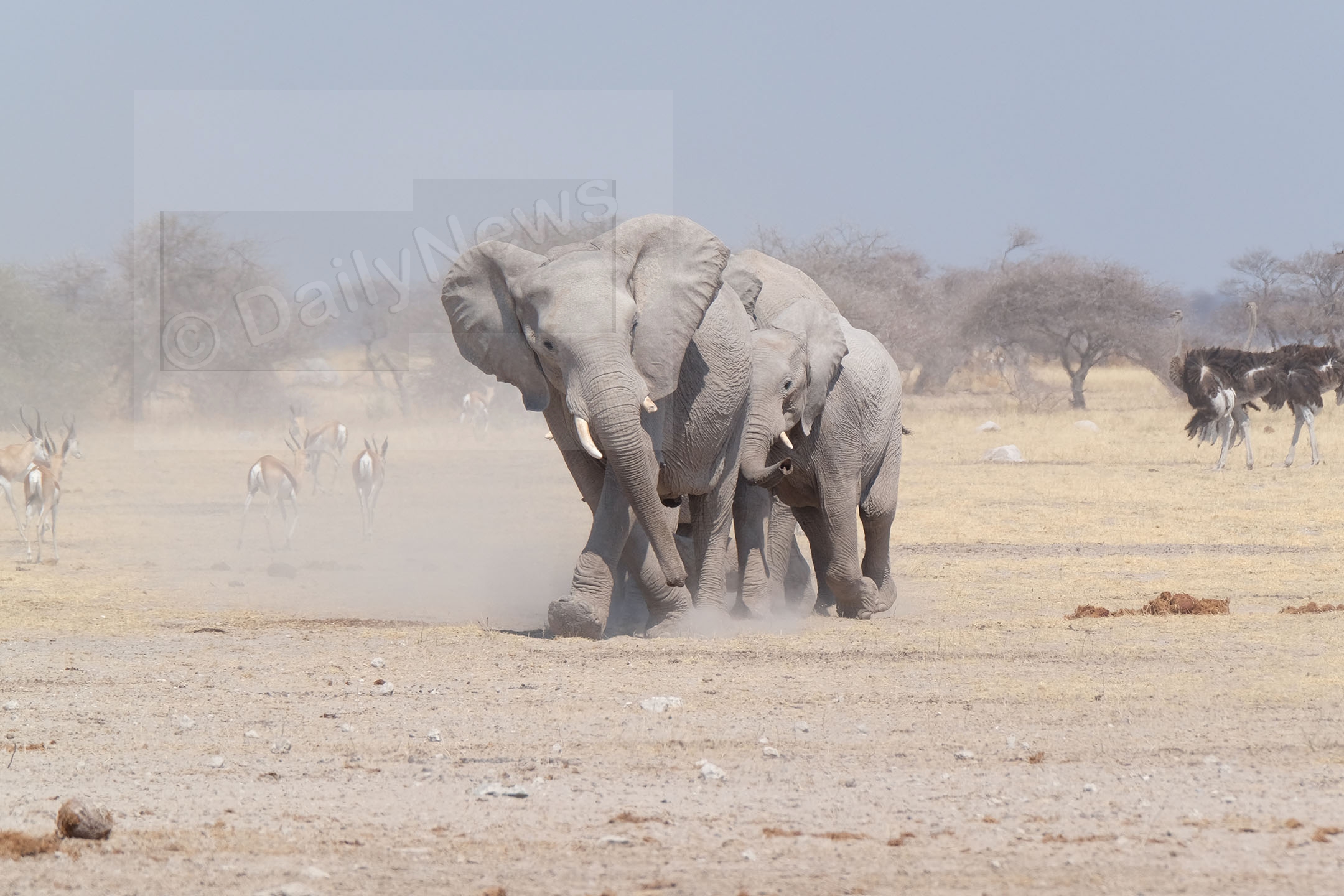
The Department of Wildlife and National Parks (DWNP) is reviewing National Elephant Management and Action Plan as growing human-elephant conflict puts increasing pressure on communities, livelihoods and wildlife conservation efforts.
Speaking at a workshop to review the plan, Director of Wildlife and National Parks, Mr Moemi Batshabang, said the review was necessary to ensure that Botswana’s success in conserving its elephant population was matched by measures to protect communities living alongside wildlife.
“Conservation must always strike a balance between protecting wildlife and safeguarding the livelihoods of local communities,” he said.
Mr Batshabang said Botswana, which hosts one of the world’s largest populations of African savannah elephants, had achieved significant conservation success through progressive policies and the resilience and tolerance of communities living alongside wildlife.
However, he said the continued growth and expansion of the elephant population had brought increasing management challenges, with human-elephant conflict resulting in crop destruction, property damage, injuries, loss of human life and pressure on rural development.
He also noted that increasing elephant densities could place pressure on habitats and biodiversity, potentially affecting other wildlife species.
Mr Batshabang said the revised National Elephant Management Plan should not be developed solely within government offices, but should reflect the experiences and aspirations of people who encounter elephants in their villages, cattle posts, farms and wildlife management areas.
“The National Elephant Management Plan must remain a dynamic and adaptive framework,” he said.
He called for open dialogue among stakeholders, saying sustainable elephant management was a shared responsibility requiring collaboration among government, traditional leaders, communities, conservation organisations and other stakeholders.
Batshabang also acknowledged the contribution of Conservation Force, which has provided technical and financial support towards the development and implementation of Botswana’s previous National Elephant Management Plan and the ongoing review.
He said the involvement of traditional leaders and communities was particularly important because they understood first-hand the realities of living alongside elephants.
“As we review this Plan, let us remain focused on our common objective: to develop an inclusive, evidence-based, and forward-looking strategy that supports the delicate balance of ecological sustainability while safeguarding and improving the livelihoods of Batswana,” he said.
For his part, Kgosi Moilwa Motshegwa of Gumare called for the continued compensation of people affected by human-wildlife conflict, while urging communities to take a more active role in developing measures to prevent elephants from entering human settlements.
He said communities could work through trusts to mobilise resources for practical interventions, including rebuilding buffalo fences and installing solar-powered lights to deter elephants from settlements.
Motshegwa also proposed that elephant movement corridors be clearly defined before development takes place, particularly the establishment of ranches, to avoid placing human activities directly in elephant pathways.
He said stronger community trusts could also play a role in compensating affected residents, potentially helping the country move towards full compensation for losses resulting from human-wildlife conflict.
The call for greater community involvement comes as the workshop seeks to assess achievements and gaps in the implementation of the existing plan and identify mitigation measures for the next phase.
Wildlife Officer at DWNP, Mr Phemelo Gadimang, said the review was intended to assess progress under the current plan, identify areas requiring improvement and develop appropriate interventions for emerging challenges.
Mr Gadimang said communities that carried the burden of living with wildlife should also realise meaningful benefits from conservation.
He called on community-based organisations and other stakeholders to contribute to approaches that promote community empowerment, sustainable utilisation of natural resources and inclusive economic opportunities.
The review is expected to culminate in a revised framework to guide elephant management in Botswana beyond the current 2021–2026 plan. ENDS
Source : BOPA
Author : Gaolethoo Kgatitswe
Location : Maun
Event : Plan review workshop
Date : 20 Aug 2026
Related News


05 Oct 2026
Zimbabwe to begin cloud seeding
05 Oct 2026
Government commits to 100 000 homes by 2028

05 Oct 2026
Balance tourism growthwith ecological protection

05 Oct 2026