


Anti-Financial Crime Bills to Strengthen Botswana AML Framework
18 Aug 2026
Parliament recently passed wo key bills aimed at tightening Botswana’s defences against money laundering and terrorist financing: the Financial Intelligence (Amendment) Bill and the Trust Property Control (Amendment) Bill.
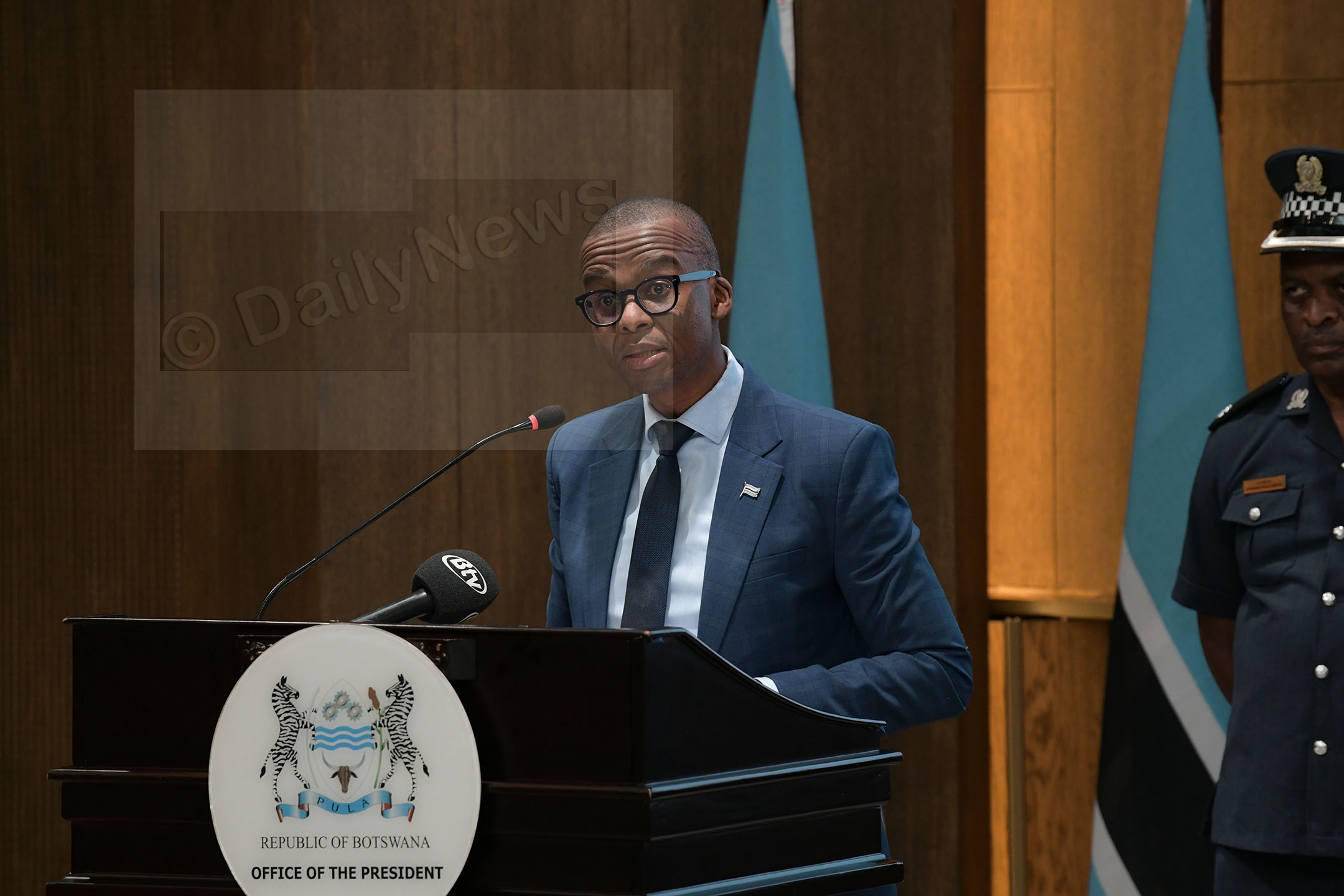
The Financial Intelligence Bill was passed with amendments, while the Trust Property Control Bill was passed without changes. Clarifying roles in financial intelligence oversight Presenting the Financial Intelligence Bill, Minister of Finance and Vice President Mr Ndaba Gaolathe said the amendments were meant to clarify the distinct roles of the National Coordinating Committee on Financial Intelligence (NCCFI) and the National
Coordination Office, NCO, to eliminate overlap. A key change was the substitution of Clause 4 with a new Section 9 on the ‘Functions of the Committee’. Under the amended Section 9, the NCCFI will now approve and adopt the National Risk Assessment Report and the National Strategy, make recommendations to the
minister on legislative, administrative and policy reforms relating to financial offenses, promote coordination among agencies, investigatory authorities, supervisory authorities and other institutions to improve effectiveness in combating financial offenses. Additionally, NCCFI will formulate policies to protect Botswana’s international
reputation regarding financial offensesas well as advising the minister on any other matters relating to financial offenses referred to it “The committee would remain the high-level oversight and policy advisory body
responsible for approving strategic instruments, providing policy direction and promoting national coordination at a strategic level,” Mr Gaolathe said. He added that the committee would not undertake day-to-day implementation. Those administrative functions will remain with the National Coordination Office under
Section 9A of the Act. Mr Gaolathe stressed that the amendment did not alter the statutory mandate of the Financial Intelligence Agency, FIA. In terms of the Financial Intelligence Act 2022, the FIA is responsible for requesting, receiving, analysing and disseminating financial information to investigatory, supervisory and other competent authorities. The agency also conducts operational analysis to trace specific transactions and links to proceeds of crime, money laundering, predicate offenses and terrorist financing, as well as strategic analysis to identify trends and patterns. To safeguard the agency’s independence, Mr Gaolathe said an amendment in
January 2025 established that the FIA shall consist of a Director General and necessary officers, enabling it to perform its functions ‘independently and without influence from any external authorities. The Trust Property Control (Amendment) Bill passed with no amendments to its two clauses. Clause 1 provides the title of the Bill. Clause 2 repeals and replaces Section 19B of the Act to empower the Master of the High Court to cooperate and exchange information and risk assessments relating to trusts and similar legal arrangements.
The change seeks to enhance transparency, facilitate international cooperation, and strengthen measures to prevent the misuse of trusts for money laundering, terrorist financing and other illicit activities.
Both bills form part of government’s ongoing efforts to align Botswana’s legal framework with international standards on anti-money laundering and counter- terrorist financing. ENDS
Source : BOPA
Author : Ketshepile More
Location : Gaborone
Event : Parliament
Date : 18 Aug 2026
Related News




25 Aug 2026
Forensic audit generates 90 priority actions

25 Aug 2026