


Kanye to host Pula Day commemoration
18 Aug 2026
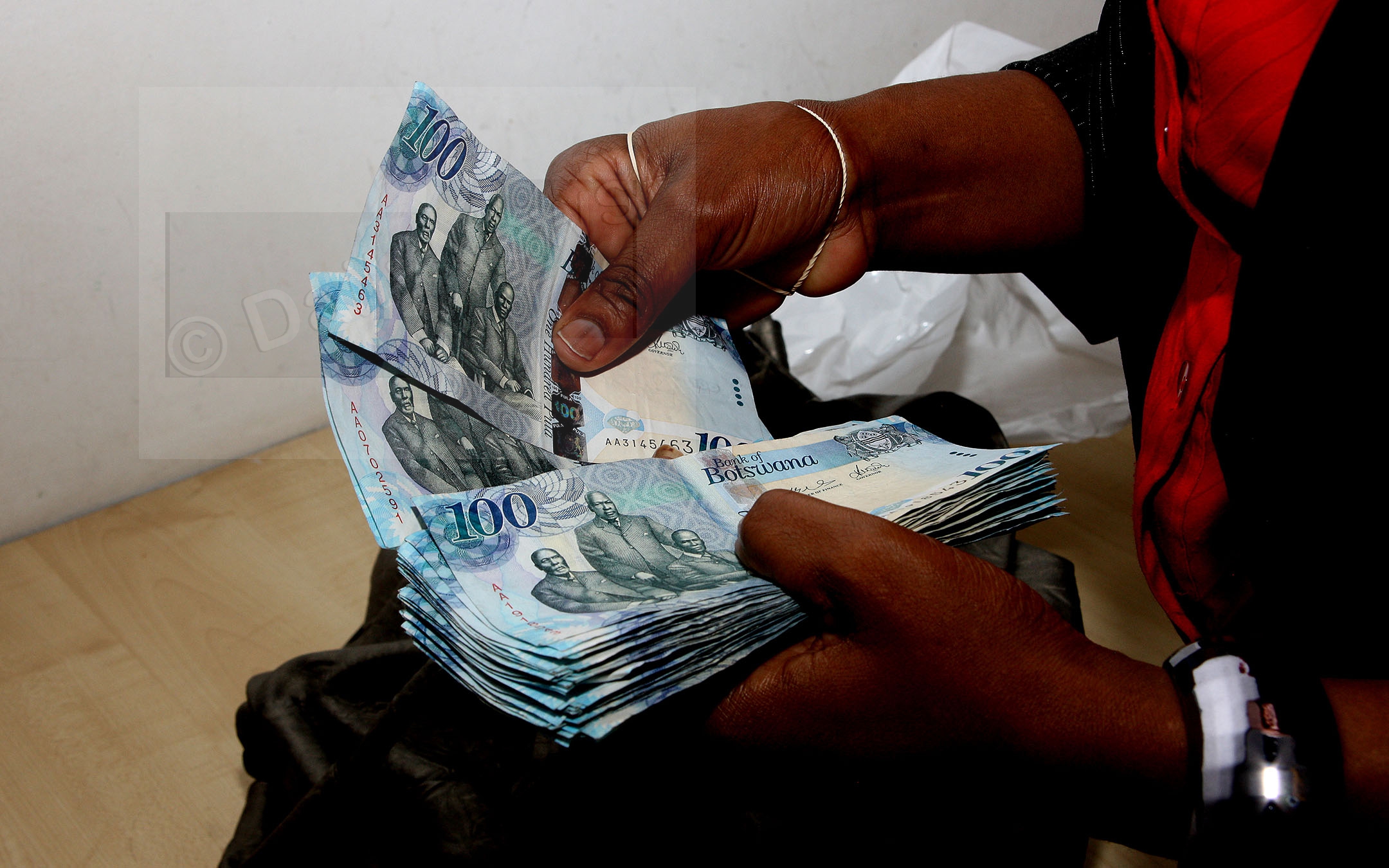
Kanye will on August 24 host a landmark Pula Day commemoration under the theme: Pula le Thebe: Shielding Wealth, Nurturing Inclusive Growth, an occasion that will mark fifty years since Botswana asserted full monetary sovereignty with the introduction of its national currency on August 23,1976.
According to Bank of Botswana’s public education manager Ms Gaone Motsumi, at independence in 1966, Botswana remained a member of the Rand Monetary Area. The South African Rand served as the country’s legal tender, and Botswana had no independent monetary, exchange-rate or interest-rate policy.
On September 6, 1974, founding President Sir Seretse Khama announced the decision to withdraw from the Rand Monetary Area. This bold step, taken against the advice of some international institutions, required the creation of a central bank and a national currency.
The Bank of Botswana was established in July 1975 under the leadership of its first Governor, Mr Christopher Hermans. After extensive preparatory work - including a public opinion poll that overwhelmingly endorsed the names - the Pula and Thebe were launched on August 23, 1976. The Pula (meaning “rain” or “blessings”) and its subunit the Thebe (meaning “shield”) replaced the Rand at parity. An initial 100-day exchange period was provided, during which the new currency was enthusiastically received by the public.
In a semi-arid land where rain is scarce and precious, naming the currency “Pula” was a profound cultural statement. Rain brings life, sustenance and hope. The Thebe represents protection and defence of that which sustains the nation.
Together they form a powerful national metaphor that continues to resonate: the blessings of prosperity must be shielded so that they can nurture inclusive growth.
Ms Motsumi explained that Botswana’s monetary policy framework had evolved through distinct phases, each reflecting the country’s growing institutional capacity and economic maturity.
In the early years after 1976, the Pula was pegged to the US dollar. In 1980 it was linked to a basket comprising the South African Rand and the IMF’s Special Drawing Rights (SDR). Discrete adjustments were made from time to time to protect competitiveness and foreign reserves, notably during the diamond market crisis of the early 1980s.
“A major shift occurred in the early 1990s with the introduction of Bank of Botswana Certificates, marking the move toward market-based liquidity management. Exchange controls were progressively liberalised and fully abolished in 1999. Transparency improved with the publication of the first annual Monetary Policy Statement in 1998,” Ms Motsumi said.
The current framework, introduced in May 2005, is a crawling peg (or crawling band) regime. The Pula is pegged to a trade-weighted basket currently weighted 50 per cent to the South African Rand and 50 per cent to the SDR. The nominal effective exchange rate is adjusted gradually each day according to the forecast inflation differential between Botswana and its trading partners. The explicit objective is to maintain a broadly stable real effective exchange rate, thereby supporting the competitiveness of domestic producers and advancing economic diversification.
Today the primary objective of monetary policy is price stability, defined as inflation within the medium-term objective range of 3-6 per cent. The Monetary Policy Rate serves as the key policy instrument, supported by open-market operations, a standing facilities corridor and a forward-looking approach guided by inflation forecasts, the rate of crawl, growth prospects and financial-stability considerations.
Bank of Botswana has long recognised that monetary sovereignty is strengthened when citizens understand and take ownership of their currency and the policies that underpin it. Public education forms an important pillar of this effort.
Ms Motsumi said the Bank continued to work closely with the public to deepen appreciation of the Pula, the role of the central bank, and the broader economic issues that affected everyday life. “Through outreach programmes, educational materials and community engagements, the Bank seeks to equip Batswana with knowledge about the security features of banknotes, the importance of savings, inflation and the meaning of monetary policy.”
Such efforts help protect the currency against counterfeiting, promote financial literacy and reinforce the sense that the Pula belongs to the nation as a whole.
As Botswana marks half a century of the Pula, the theme:Pula le Thebe: Shielding Wealth, Nurturing Inclusive Growth captures both the achievement and the unfinished work. The foreign exchange reserves built over decades represent the “shield” that has protected the economy through external shocks. The challenge now is to ensure that the blessings of that wealth continue to nurture broad-based, inclusive growth that reaches every Motswana.
The gathering in Kanye on August 24 will not merely be a commemorative event, but a reaffirmation of a national journey that began with a courageous decision in 1974 and continues today through prudent policy, institutional strength and the collective ownership of a currency that carries both the name of rain and the symbol of the shield. The event will be officiated by Vice President and Minister of Finance Mr Ndaba Gaolathe. ENDS
Source : BOPA
Author : Marvin Motlhabane
Location : Kanye
Event : Interview
Date : 18 Aug 2026
Related News

13 Oct 2026
Expo sparks regional leather expansion
12 Oct 2026
Partnership to boost vehicles maintenance
12 Oct 2026
Farmers urged to treat agriculture as a business

12 Oct 2026