


NHI requires legislative and governance reforms
13 Aug 2026
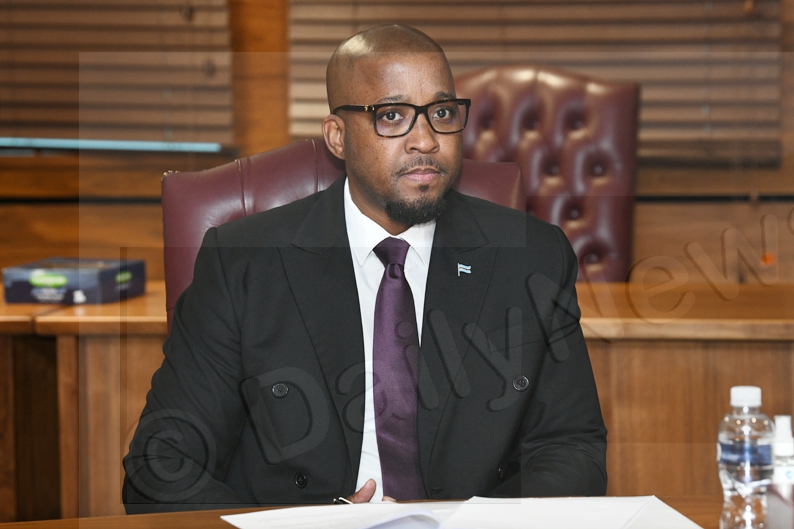
Minister of Health Dr Stephen Modise has called on Members of Parliament to scrutinise the proposed National Health Insurance (NHI) Reform, describing it as one of the most consequential initiatives in Botswana’s history.
Speaking on Tuesday at Sir Ketumile Masire Teaching Hospital during a parliamentary workshop, Dr Modise said MPs, as custodians of the legislative agenda, would play a critical role in shaping the future of the health system. Vice President Mr. Ndaba Gaolathe also attended.
The minister stressed that NHI should not be seen as ‘just another medical insurance scheme,’ but as a fundamental transformation aimed at achieving Universal Health Coverage.
Dr Modise acknowledged gains made over decades, including improved life expectancy and the country’s response to major diseases. However, he said persistent challenges could no longer be ignored.
He listed inequalities in access based on geography, continued out-of-pocket expenses despite government being the main financier, rising costs, inefficiencies, the growing burden of non-communicable diseases, technological changes, demographic shifts, and rising public expectations.
NHI senior consultant Ms Lydia Andries told MPs the reform was designed to deliver a more resilient, digitised and interoperable health system. A proposed strategic national fund, she said, would allow government to purchase healthcare services more effectively and reduce reliance on donor funding during economic shocks.
Without reform, she warned, health expenditure could rise from about P10 billion to P15 billion within five years.
Ms Andries cited weak cost controls, long waiting times, shortages of medicines and healthcare workers and fraud, waste and abuse as key problems. She estimated these account for 20 to 30 per cent of health spending roughly P2 billion to P3 billion annually with some losses linked to over-servicing and tender irregularities.
She also flagged the burden on households, noting medical aid covers only 12 to 15 per cent of the population.
“Many people remain dependent on an already pressured public health system,” she said, recalling cases where families lost homes and assets due to medical debt.
Responding to Minister Pius Mokgware’s question on equity for rural areas, Ms Andries said NHI would operate as a state-owned enterprise with autonomy. Citizens would register using their identification numbers to allow digital tracking of membership and service access.
“Rural and remote communities would be entitled to the same services as other Batswana,” she said. More than 300 people across the country are expected to take part in a pilot to develop measures for rural and semi-rural areas and test the system’s effectiveness. Accreditation standards will also be introduced for participating facilities.
Closing the workshop, Assistant Minister of Health Mr Lawrence Ookeditse said implementing NHI will require major policy and legislative decisions, including governance reforms, reorganisation of the health system, decentralisation and greater operational autonomy for facilities.
He urged policymakers to view healthcare ‘not simply as an expenditure, but as an investment in human capital and national productivity.’
Mr Ookeditse said all comments and recommendations from the workshop have been documented and will inform the next phase of the reform and its legislative framework. ENDS
Source : BOPA
Author : Lesego Thomas
Location : GABORONE
Event : Workshop
Date : 13 Aug 2026
Related News
06 Oct 2026

06 Oct 2026
Access to sign language critical
06 Oct 2026
Boko hails Royal visit


06 Oct 2026