


BAA lays foundation for Brisbane 2032
11 Aug 2026
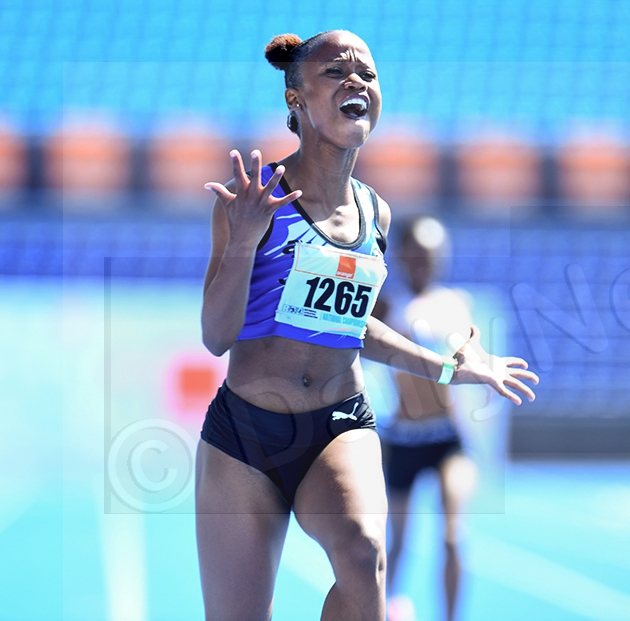
The Botswana Athletics Association (BAA) is currently laying the groundwork for the Brisbane 2032 Olympic Games cycle, using the recent World Athletics U20 Championships as a crucial proving ground for the nation’s next generation of elite talent.
For a nation accustomed to global track podiums, returning from an international meet without silverware can easily be misconstrued as a step backward.
However, inside the BAA high-performance offices, the mood is one of strategic optimism. Despite missing out on the medal standings, the association views the junior contingent’s performance as definitive proof that Botswana’s track conveyor belt is operating at full speed.
“We are highly encouraged by this junior team’s performance. This squad is a foundational pillar for the future. Looking closely at the juniors’ composure and execution on the world stage, it is overwhelmingly evident that there will be a seamless continuity beyond our current crop of senior global champions,” said BAA sport development manager, Patrick Moesi.
That continuity comes on the heels of a major structural shift in how Botswana produces world-class athletic talent.
Historically, the nation relied heavily on public school systems and school sports pipelines to scout and nurture base-level athletes. When systemic pauses disrupted those traditional school sports frameworks, BAA had to independently pivot its developmental programmes.
“Remember, over the years we have been relying strictly on the school system. If BAA, in the temporary absence of school sports frameworks, can independently scout, train and present athletes who can seamlessly compete at an elite international level, to us that is an achievement,” Moesi added.
The developmental squad deployed to the world stage proved the strength of this independent pipeline across multiple disciplines after 100m sprinter, Wadzha Matakule demonstrated elite pedigree by storming through competitive heats to book a spot in the prestigious final, ultimately placing ninth in the world with a time of 10.54 seconds.
The squad also showcased strong individual depth across distances, featuring 400m specialists in Junior Phatshima and Tsaone Dintwa, alongside 200m sprinters Same Mhutsiwa and Jack Newman.
The team’s relay entries further signalled a bright future. The men’s 4x400m relay quartet of Warona Mokgosi, Phatshima, Resego Mabua and Dintwa, provided a thrilling performance in the heats, winning first place with a Season Best time of 3:08.22 to cruise into the global final, complementing a competitive effort from the 4x100m squad.
For Moesi, the tactical discipline, baton exchanges and pacing of the junior relay teams directly mirrored the trademark style of Botswana’s senior world-beaters. This systemic alignment offers concrete proof of a working developmental ecosystem. Rather than fixating on short-term medal counts, BAA is using this raw performance data to build a steady pipeline heading into the 2032 Olympic Games.
With junior athletes already executing with the maturity of senior giants, the association is confident that the road ahead promises a sustained era of dominance. For Botswana, the path to the podium remains a marathon and the structural foundations laid today are quietly cementing the triumphs of tomorrow. ENDS
Source : BOPA
Author : Anastacia Sibanda
Location : Gaborone
Event : Interview
Date : 11 Aug 2026
Related News
15 Oct 2026

15 Oct 2026
Sankoyo submit required documents to BFA
15 Oct 2026
BFA pledges continued support for Mares
13 Oct 2026