



El Nio poses threat to economic activities - Mmolotsi
10 Aug 2026
The onset of El Niño phenomena poses an immediate threat to Botswana’s rainfall consistency with potential impacts on various economic sectors.
Presenting a statement to Parliament on Friday, the Minister of Environment and Tourism, Mr Wynter Mmolotsi said the expected impacts on various economic sectors due to the El Niño phase included reduced agricultural production, particularly of staple grains like maize and sorghum.
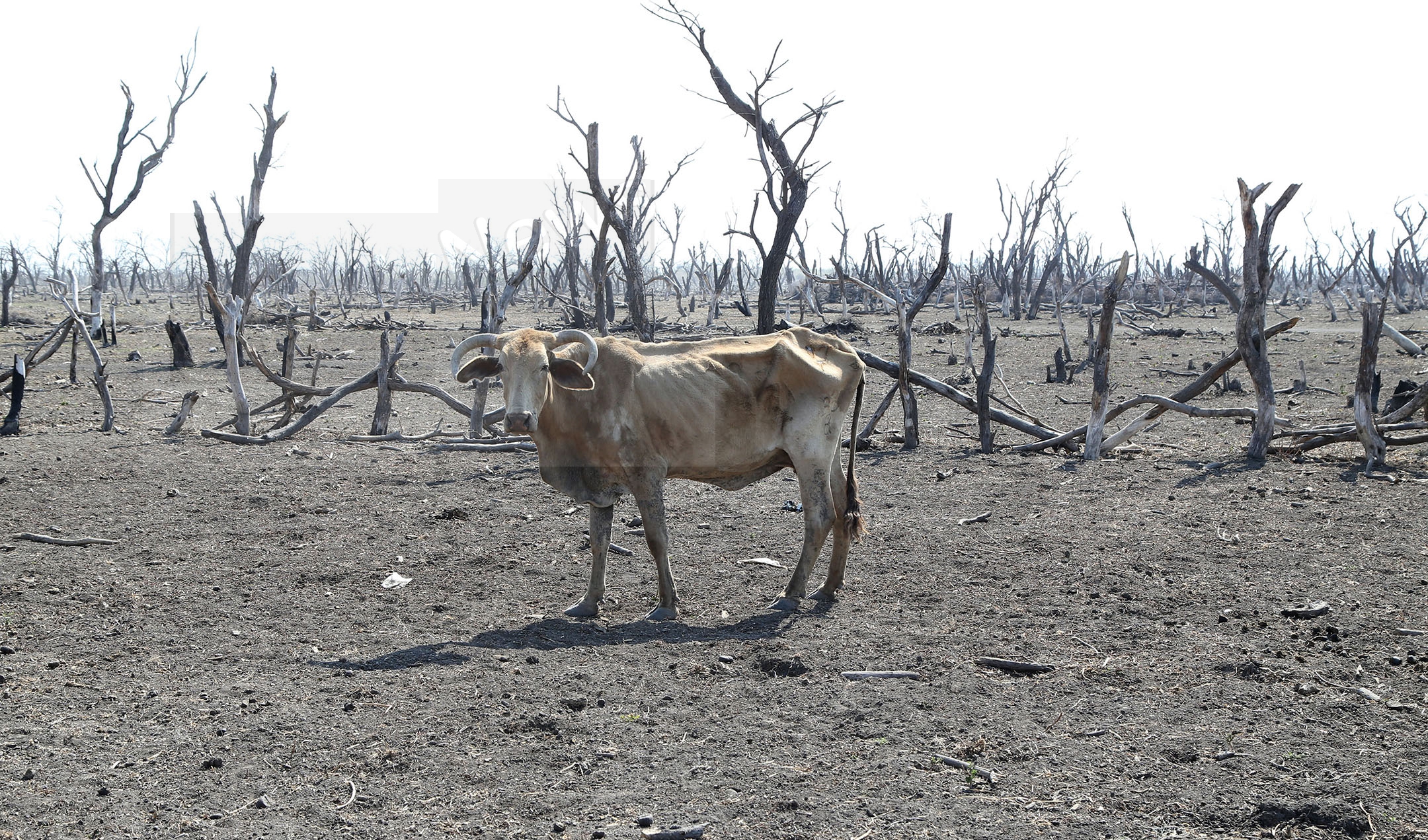
Mr Mmolotsi said the livestock sector faced immediate threats from deteriorating rangelands and decreasing water pools, risking localised livestock fatalities and worsening cattle conditions.
Associated with reduced rainfall, leading to drought and extremely high temperatures in Botswana and parts of Southern Africa, in Botswana, El Niño is historically associated with dry, hot conditions.
Therefore, Mr Mmolotsi predicted an elevated risk of rapidly spreading wildland fires across rangelands and forests, threatening communities and biodiversity.
He said elevated regional temperatures and high evaporation rates would exert severe pressure on major national dams and communal water sources.
Moreover, the Minister said high-intensity heatwaves posed increased health risks for outdoor workers, the elderly and vulnerable rural populations across all districts.
To respond to this climate-related issue, Mr Mmolotsi said immediate actions had been put in place including farmers adopting climate-smart techniques, utilising drought-resistant crops and planning for livestock feed.
“Water authorities must maximise water conservation enforcement and closely monitor regional reservoir drawdowns to avoid emergency supply failures,” he said.
Mr Mmolotsi also advised the general public to adhere to heatwave safety guidelines, limit sun exposure, manage domestic water use and implement fire safety measures to prevent wildland fires.
He said El Niño events in Botswana had historically impacted agriculture, as seen in the 1982/1983 and 1991/1992 cycles, which led to significant reductions in grain harvests and required food relief.
The minister said the 2015/2016 cycle featured extreme heat and severe droughts, with record temperatures surpassing 44.0°C in some areas, resulting in critically low Gaborone Dam levels under 20 per cent capacity and necessitating water rationing.
He noted that the 2023/2024 cycle was marked as an extreme agricultural drought, causing major crop failures, rangeland degradation, significant livestock and wildlife deaths and the drying up of vital water sources, stressing national budgets due to urgent spending adjustments.
Through the Department of Meteorological Services, Mr Mmolotsi said his ministry continued to engage the public and climate-sensitive sectors of the economy on the potential effects of the current El Niño during the upcoming rainfall season.
ENDS
Source : BOPA
Author : Ketshepile More
Location : Gaborone
Event : Parliament
Date : 10 Aug 2026
Related News



25 Aug 2026
Forensic audit generates 90 priority actions
25 Aug 2026