


Department warns of severe strain on Botswanas rainy season
06 Aug 2026
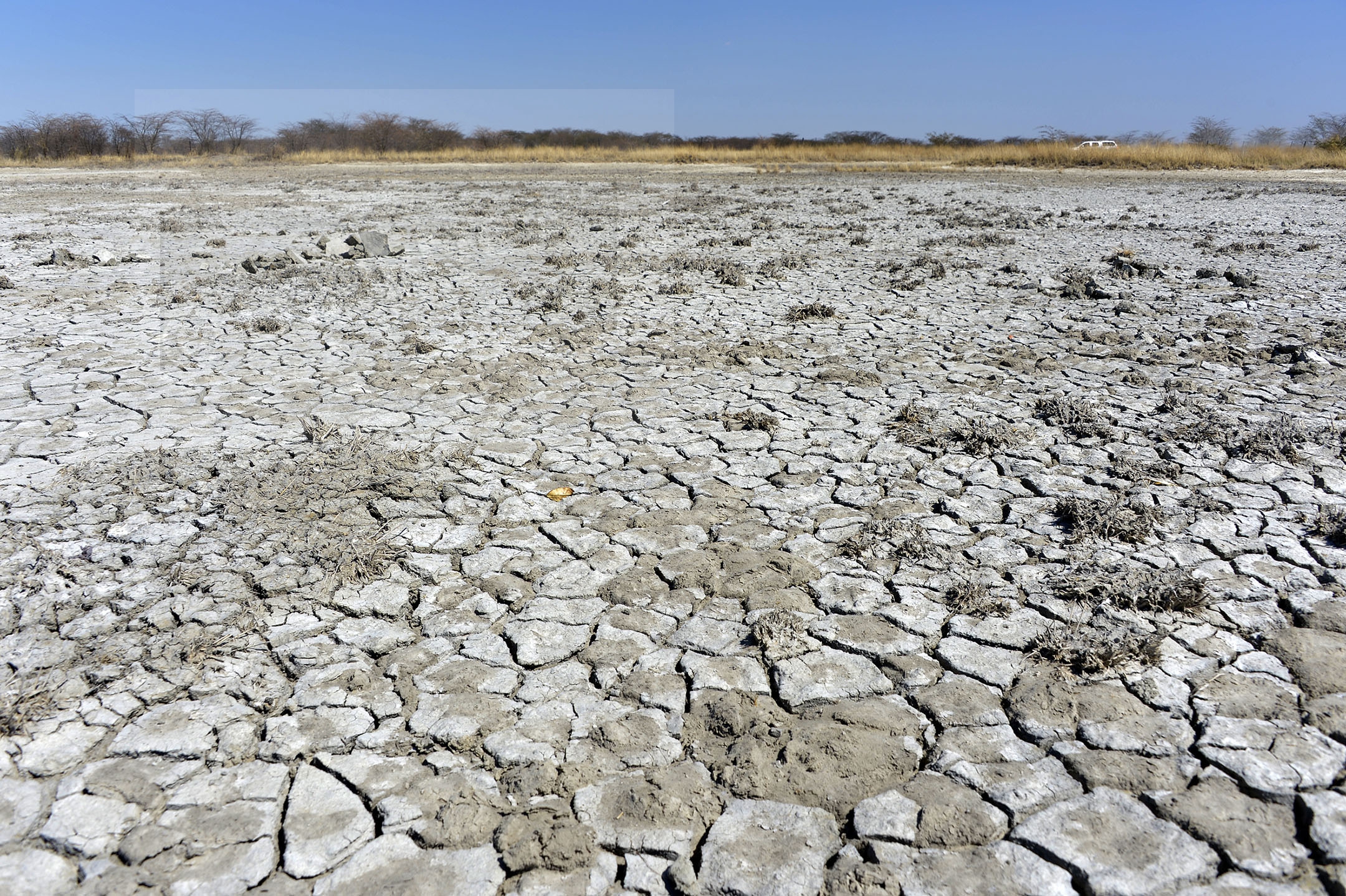
Botswana is officially under an El Niño Advisory, with the climate phenomenon expected to strengthen throughout the remainder of the year and persist into early autumn 2027, raising concerns over the country’s upcoming rainy season.
Chief meteorologist at the Department of Meteorological Services (DMS), Mr John Stegling, said there was a 97 per cent chance the current El Niño will continue through February and March 2027, with peak intensity expected between November 2026 and January 2027.
He said the development had been anticipated since the beginning of winter and was formally confirmed in July, allowing forecasters time to prepare seasonal outlooks.
Adding to the concern is the Indian Ocean Dipole (IOD), which is currently neutral, but is forecast to shift into a positive phase later this year. According to Mr Stegling, a positive IOD was typically associated with below-normal rainfall, delayed onset of seasonal rains and above-average temperatures across Botswana and much of southern Africa, potentially reinforcing the drying effects of El Niño.
He said Botswana’s unusually short winter was unrelated to El Niño. Instead, winter conditions were primarily influenced by the Southern Annular Mode (SAM), which controlled movement of cold fronts across Southern Hemisphere. El Niño, he said, had little influence on winter weather, but played a significant role during the summer rainfall season.
DMS he said was most concerned about the impact on agriculture, water resources and livelihoods. Arable farming is classified as facing catastrophic risk, with delayed rainfall and prolonged dry spells, Mr Stegling said such was expected to reduce maize and sorghum production, increasing Botswana’s dependence on food imports.
He said livestock farming was rated extreme risk, as reduced grazing and declining water availability could weaken cattle, increase mortality and undermine government’s target of expanding the national herd by five million by 2030.
Water resources were also considered high risk, with reduced rainfall and increased evaporation likely to lower dam and reservoir levels, threatening domestic, industrial and wildlife water supplies.
Public health faced a moderate to high risk, as prolonged heat increased the likelihood of heat-related illnesses Stegling noted, particularly among children, the elderly and outdoor workers. Reduced agricultural output could also contribute to rising food prices and increased food insecurity.
Although Botswana relies largely on coal-fired electricity, Mr Stegling warned that regional power supplies could also come under pressure if neighbouring countries experienced reduced hydropower generation, as occurred during the 2023/24 El Niño.
Tourism and wildlife were said to be similarly vulnerable; Drying rivers and wetlands already forcing wildlife to migrate in search of water, increasing the risk of human-wildlife conflict. Mr Stegling noted that during 2024, endangered hippos were trapped in shrinking pools within the Okavango Delta, warning that continued drying spell could threaten one of Botswana’s most important ecosystems and the tourism industry it supported.
He said DMS had a strong forecasting record, with seasonal outlooks linked to previous El Niño events, including those of 2015/16 and 2023/24, proving more than 90 per cent accurate.
While El Niño and La Niña naturally occur every two to seven years, he said there was currently no conclusive scientific evidence that climate change was making them more frequent or more intense. However, rising global temperatures were amplifying the impacts of these climate events, contributing to more severe heatwaves and rainfall extremes.
He noted that the 2023–2024 El Niño, combined with long-term global warming, contributed to 2024 becoming the hottest year on record. ENDS
Source : BOPA
Author : Loago Thomas
Location : Gaborone
Event : Interview
Date : 06 Aug 2026
Related News


13 Oct 2026
Expo sparks regional leather expansion

12 Oct 2026
Partnership to boost vehicles maintenance
12 Oct 2026
Farmers urged to treat agriculture as a business
12 Oct 2026