



Teacher aides and caretakers roles differ-Hunyepa
06 Aug 2026
Teacher aides and caretakers have distinct roles within the school system.
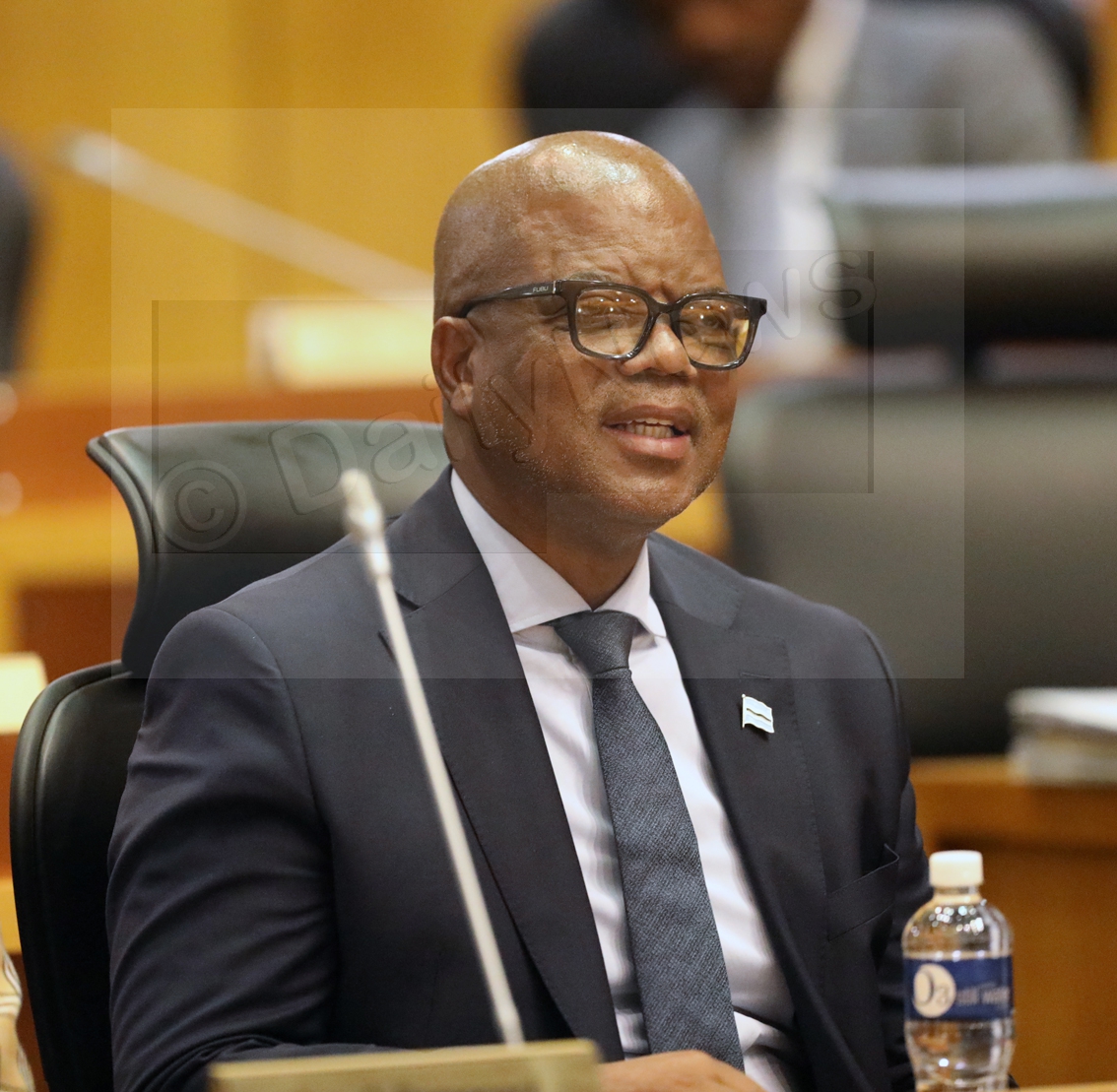
Answering a question in Parliament on Wednesday, the Assistant Minister for Child Welfare and Basic Education Mr Justin Hunyepa explained that the primary responsibility of a teacher aide was to support the teaching and learning process.
He said this included assisting teachers with classroom instruction, preparing teaching materials, maintaining classroom records and providing support under the guidance of a qualified teacher.
Mr Hunyepa said their work was instructional in nature and directly contributed to delivering the school curriculum. In contrast, he said the primary role of a caretaker was to provide care, supervision and personal support to learners, particularly those with disabilities or special educational needs.
Mr Hunyepa further explained that caretakers assisted learners with feeding, dressing, personal hygiene and mobility, while ensuring their safety and well-being throughout the school day.
He emphasised that the scope of work for teacher aides was centered on supporting educational activities and enhancing the teaching and learning environment, while caretakers concentrated on providing physical care, supervision and safeguarding the welfare of the learners.
Regarding salaries, Mr Hunyepa noted that teacher aides were placed on the B3/2 salary scale, whereas caretakers were on the B5 salary scale. He said this disparity arose because a teacher aide must hold a Certificate in Early Childhood Education, while no formal qualification was required for caretakers.
Mr Hunyepa said in most cases, caretakers were often family members or guardians of the learner’s needing assistance.
He pointed out that there were currently no known differences in remuneration and conditions of service for these roles, whether the Ministry of Child Welfare and Basic Education or the Ministry of Local Government and Traditional Affairs employed them.
Mr Hunyepa mentioned that the ministry lacked dedicated training programmes for teacher aides and caretakers, as training priority was currently given to other critical professional roles within the ministry.
He however said teacher aides receive housing allowances as per the provisions applicable to public officers at their respective salary scales.
The assistant minister said both teacher aides and caretakers were entitled to the general terms and conditions of service applicable to public servants, but there were no additional allowances or benefits specifically recognising the nature of their work.
He encouraged officers to upgrade their qualifications through recognised institutions to enhance their eligibility for higher-level posts.
The assistant minister said length of service alone did not guarantee promotion but was considered alongside qualifications, performance, experience and merit in recruitment and promotion processes, according to applicable public service policies.
Mr Hunyepa emphasised that the ministry promoted professional growth and staff retention by offering opportunities for continuous learning through training and development programmes, facilitating access to skills upgrading, ensuring fair and transparent recruitment and promotion processes and maintaining equitable conditions of service in line with government policy. He was responding to a question from Mogoditshane East MP, Mr Letlhogonolo Barongwang who had asked the minister to clarify the differences in job descriptions, scopes of work and remuneration between Teacher Aides and Caretakers.
He also inquired whether there were distinctions in remuneration and conditions of service between those employed directly by the Ministry of Child Welfare and Basic Education and those employed under the Ministry of Local Government and Traditional Affairs. ENDS
Source : BOPA
Author : BOPA
Location : Gaborone
Event : Parliament
Date : 06 Aug 2026
Related News

25 Aug 2026
Forensic audit generates 90 priority actions
25 Aug 2026