


Dikoloti Advocates Smart Farming
04 Aug 2026
Applying climate smart agriculture can help farmers prepare for the predicted calamity of el niño in the upcoming ploughing season.
Minister of Lands and Agriculture, Dr Edwin Dikoloti, said the time was now for farmers to start planning.
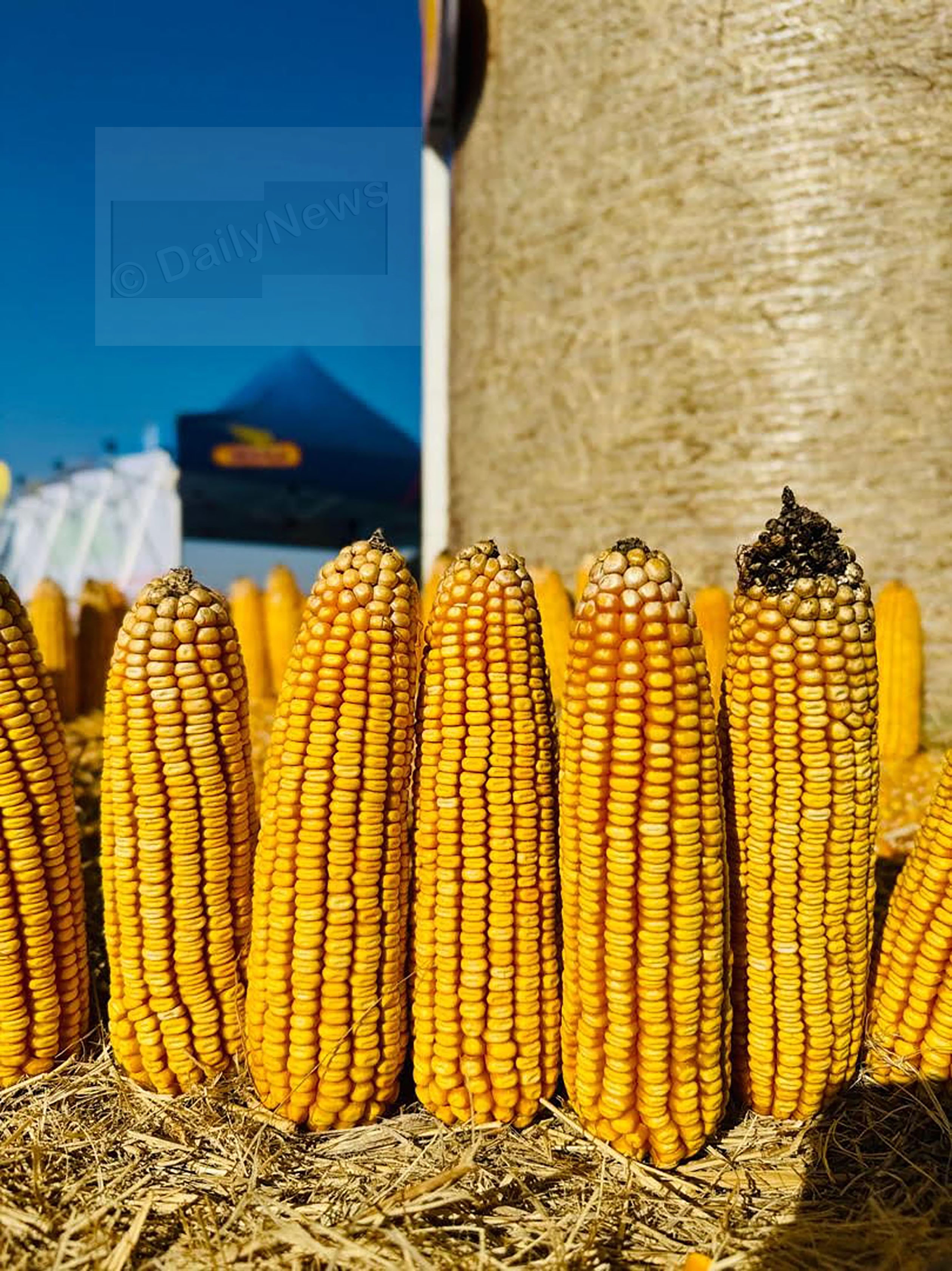
“As we prepare for the anticipated El Niño conditions, access to reliable weather information has become essential for agricultural planning. Climate information enables farmers to make better decisions regarding planting dates, crop selection, water management, and risk mitigation. Climate-smart agriculture is no longer optional but a necessity,” said Dr Dikoloti when addressing farmers at the DEKALB maize live harvesting demonstrations at Mosisedi Farms in the Goodhope District on Friday.
He said with the possible development of el niño conditions in the coming ploughing season, farmers must consider ploughing according to reliable seasonal forecasts, select hybrids that fit the expected rainfall pattern, avoid over-populating fields where water may become limiting, and ensure that weed control was effective from the start so that every millimetre of rainfall benefits the crop.
Speaking during a live demonstration of maize harvest, Dr Dikoloti highlighted that successful maize production was not based on seed alone or population alone, but on the correct combination of hybrid choice, plant density, soil fertility, moisture management, and timely agronomic decisions. “This is how we build resilience, protect profitability, and strengthen food security even under uncertain climate conditions,” he said.
He said Botswana continued to import significant quantities of maize every year which presented an opportunity for local farmers. “We will begin as a ministry to give a weekly report of tonnes of maize entering the country on a weekly basis to provide data,” he said.
He said plans were to turn around the economic impact of Agriculture through implementation of progressive policies adding that government had invested a lot in agriculture, but the financing part needed to be improved.
“We have been investing in inputs rather than rewarding the output which has stalled progress. We have been financing Agricultural activities rather than the value chains to strengthen them and so we are going to transform this,” he said.
He underscored application of sound farming practices at individual farmer level noting, “if we increase productivity through improved seed, better agronomic practices, and efficient farm management, we can reduce our dependence on imports, strengthen national food security, and create wealth within our farming communities.”
Furthermore, Dr Dikoloti said the ministry needed to close the monitoring and evaluation gaps with regards to research on hybrid seeds to ensure optimal benefits to the farmer. “Research must be done on the DEKALB maize hybrid seed. The academia need to come a lot closer. The good tonnage of maize per hectare that Mr Cronje gets from the DEKALB maize seed can only be found in books only and so it is important to share such information with other farmers,” he said.
Botswana Meteorological Services representative, Ms Lorraine Ketshabile, said scientists worked round the clock to monitor the El Niño. She revealed that the June, July, and August report reflected that its intensity was between weak to moderate but from September, October and November the intensity of the Elnino would increase to around 90 per cent. The potential disaster she said indicated a high probability of below-normal rainfall, rising temperatures, and growing pressure on water and food systems across the country.
“We must adequately prepare for El Niño as farmers and have mitigation and adaptation strategies in place, we encourage climate smart farming, we recommend the drought tolerant varieties during this time of dry spells,” she said.
Agrifeed senior agronomist, Mr Paul Tlhase, said with regards to adaptability of the DEKALB maize seed in various regions in the country they intended to work with farmers and Agricultural extension officers, “we want to have a partnership with farmers so that when we produce seed we roll it out accordingly. We will have trial sites across the country and we encourage farmers to cooperate and allow us into their farms for trials using a hector or two of their fields,” he said.
He said DEKALB maize seed was a highbred which was drought resistant and they shall identify three farmers from each region to plant DEKALB maize seed to check its performance. “There is generally no market for maize and so when you grow DEKALB you have guaranteed market for your produce. We follow the fair and transparent pricing and our price is competitive,” he said.
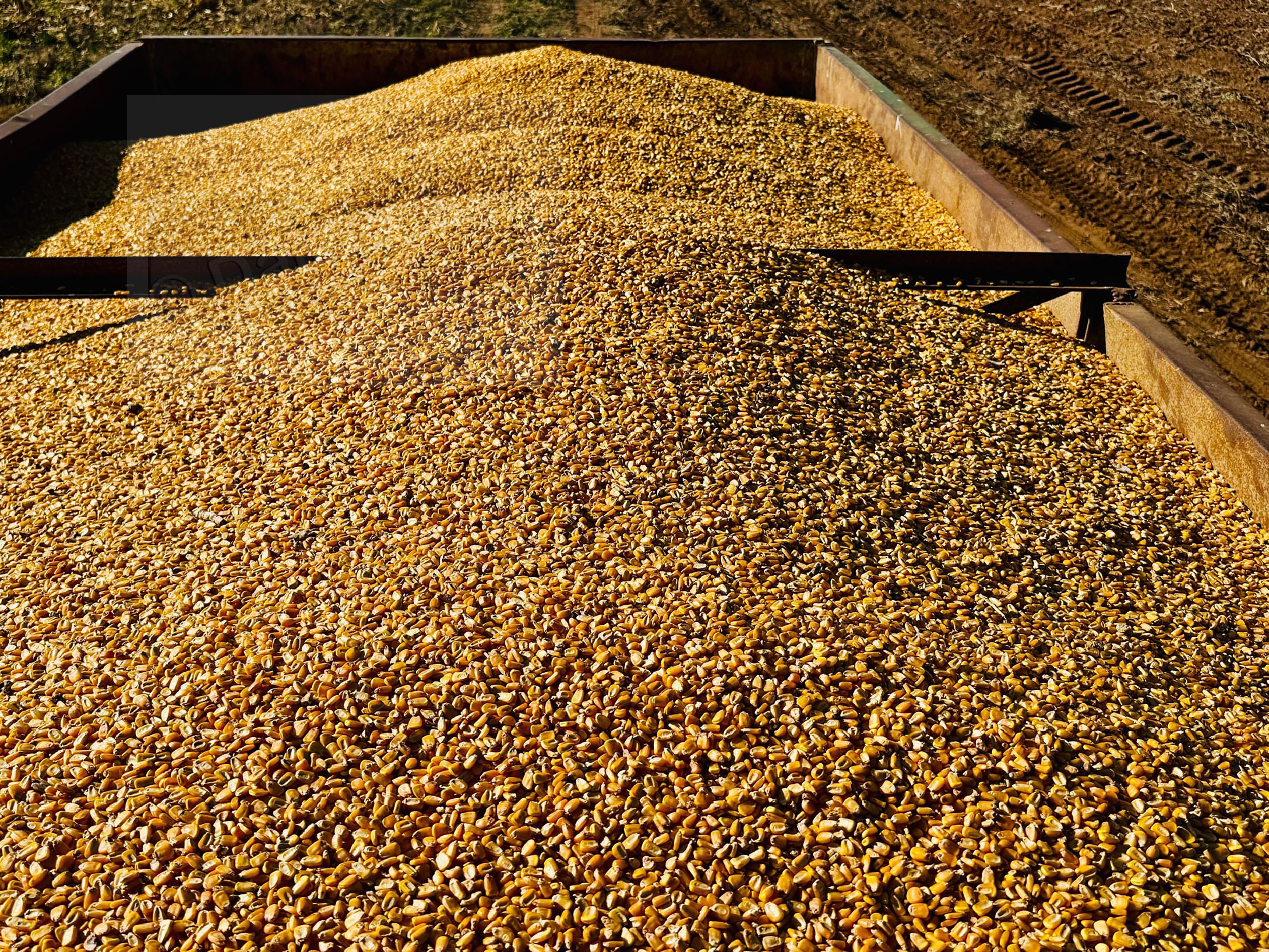
Sharing nuggets of wisdom with farmers, a Mosisedi commercial farmer Mr Jan Cronje who has planted 600 hectares of DEKALB maize seed already yielding a good six tonnes per hectare said four years ago he made a decision to plough smart. He had a challenge with the seed he was planting and he was looking for help with seed and DEKALB came to his rescue. he tried the seed on 5 percent of the field and it gave quality results. “Right now we are planting DEKALB on 80 percent of the farm and the results are good. Yes, the seed is expensive but is capable of giving the farmer optimum plant population,” he said
Mr Cronje has planted 600 hectares of maize, 50 hectares each of peanuts, sunflower, and soy beans. He said by the first week of August, they would be done with harvesting maize. ENDS
Source : BOPA
Author : Calviniah Kgautlhe
Location : Lobatse
Event : Live demonstration of harvest
Date : 04 Aug 2026
Related News

13 Oct 2026
Expo sparks regional leather expansion
12 Oct 2026
Partnership to boost vehicles maintenance
12 Oct 2026
Farmers urged to treat agriculture as a business
12 Oct 2026