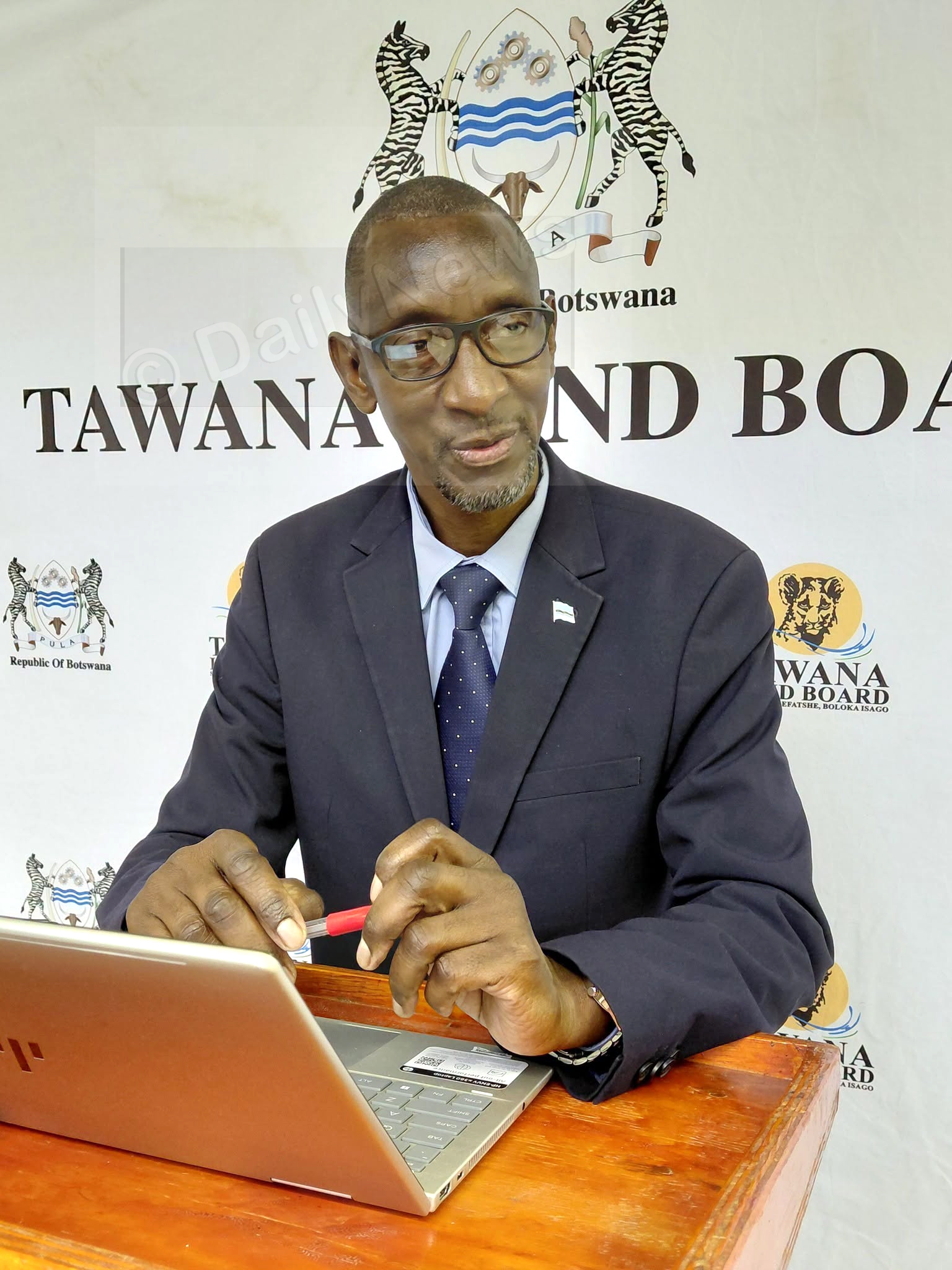
Tsheko Advocates Localised Poverty Solutions
04 Aug 2026
North West District possesses sufficient natural resources and economic opportunities to transform the lives of its people, deliberately shifting from relief-based interventions to sustainable livelihood programmes, says Chief of Staff, Dr Oupa Tsheko.
Addressing North West District leadership consultative meeting on sustainable livelihoods in Maun on Wednesday, Dr Tsheko said the district's wealth should be reflected by the standard of living of its communities.
He observed that despite North West's rich tourism assets, infrastructure and other economic opportunities, poverty remained prevalent, underscoring the need for government and other stakeholders to intentionally empower communities through sustainable economic initiatives.
"There should not be widespread poverty in a district endowed with such immense economic opportunities, as the richness of the district must be reflected in the lives of its people," he said.
Dr Tsheko said extensive consultations were necessary to develop practical and inclusive livelihood models tailored to the unique realities of different districts, noting that a one-size-fits-all approach could not effectively address poverty.
He further revealed that Botswana currently spent approximately four per cent of its Gross Domestic Product (GDP) on social protection programmes, yet many communities continue to struggle economically.
He said the situation calls for a rethink of existing approaches by creating sustainable alternatives that would enable citizens to become economically self-reliant while reducing dependence on government assistance.
Dr Tsheko also spoke strongly against corruption and misuse of public resources, saying such practices undermined government efforts to improve livelihoods and deny communities opportunities for development.
"Corruption blocks progress and deprives communities of opportunities to improve their livelihoods, therefore it must stop if we are serious about transforming people's lives," he said.
He said government was already working toward developing an inclusive policy framework that would mobilise resources and support sustainable livelihood initiatives tailored to the specific needs and economic potential of different communities.
For his part, Deputy District Commissioner of North West District, Mr Ramogapi Gaborekwe said North West District remained one of Botswana's most resource-endowed regions, possessing significant tourism, environmental and economic assets capable of improving livelihoods if properly managed and governed.
He said collaboration of government institutions, the private sector and communities would be critical in unlocking the district's full economic potential.
Presenting the district's sustainable livelihoods profile, North West District Deputy Council Secretary for Operations, Ms Kebalapile Horatius said the council was implementing a sustainable livelihoods strategy aimed at reducing poverty by harnessing opportunities available within the district.
She said the strategy sought to strengthen economic sustainability by promoting local economic opportunities, creating employment and reducing dependence on government social protection programmes.
Ms Horatius said the district has identified key sectors capable of driving inclusive economic growth, including tourism, agriculture, fisheries and community-based natural resource management, adding that strengthening these sectors would improve household incomes and promote self-reliance.
She said the district continued to implement various social protection programmes, including the Remote Area Development Programme (RADP), which supports remote area communities through housing, socio-economic empowerment, employment initiatives and improved access to education.
However, Ms Horatius acknowledged that implementation continue to face challenges such as budget constraints, delay in processing social protection benefits, staff shortage, inflationary pressure and logistical barriers affecting service delivery.
Despite these challenges, she said the district generated significant revenue through tourism activities, including hunting and concession fees, demonstrating the untapped potential that could be leveraged to strengthen local economies and improve community livelihoods.
Ms Horatius said the district's long-term vision was to move communities away from dependence on relief programmes toward sustainable self-reliance through effective utilisation of available resources and stronger partnerships. ENDS
Source : BOPA
Author : Gaolethoo Kgatitswe
Location : MAUN
Event : consultative meeting
Date : 04 Aug 2026
Related News
16 Oct 2026
15 Oct 2026
Rev. Ramaribana breaks glass ceiling
15 Oct 2026
Botswana open for business

15 Oct 2026
Financial constraints hamper project delivery
15 Oct 2026