



Artefacts repatriation drive paramount
29 Jul 2026
History is the heritage and patrimony of mankind in the lessons of the past that gives priceless inspiration for the future.
A nation’s culture resides in the hearts and soul of its people. Cultural heritage define uniqueness of individuals and help appreciate cultural diversity.
Thus, heritage and culture highlight people’s roots, identity and connection to the past.
Therefore, in view of the indispensable value of items of historical significance or artefacts Botswana has embarked on a massive drive for repatriation of such items.
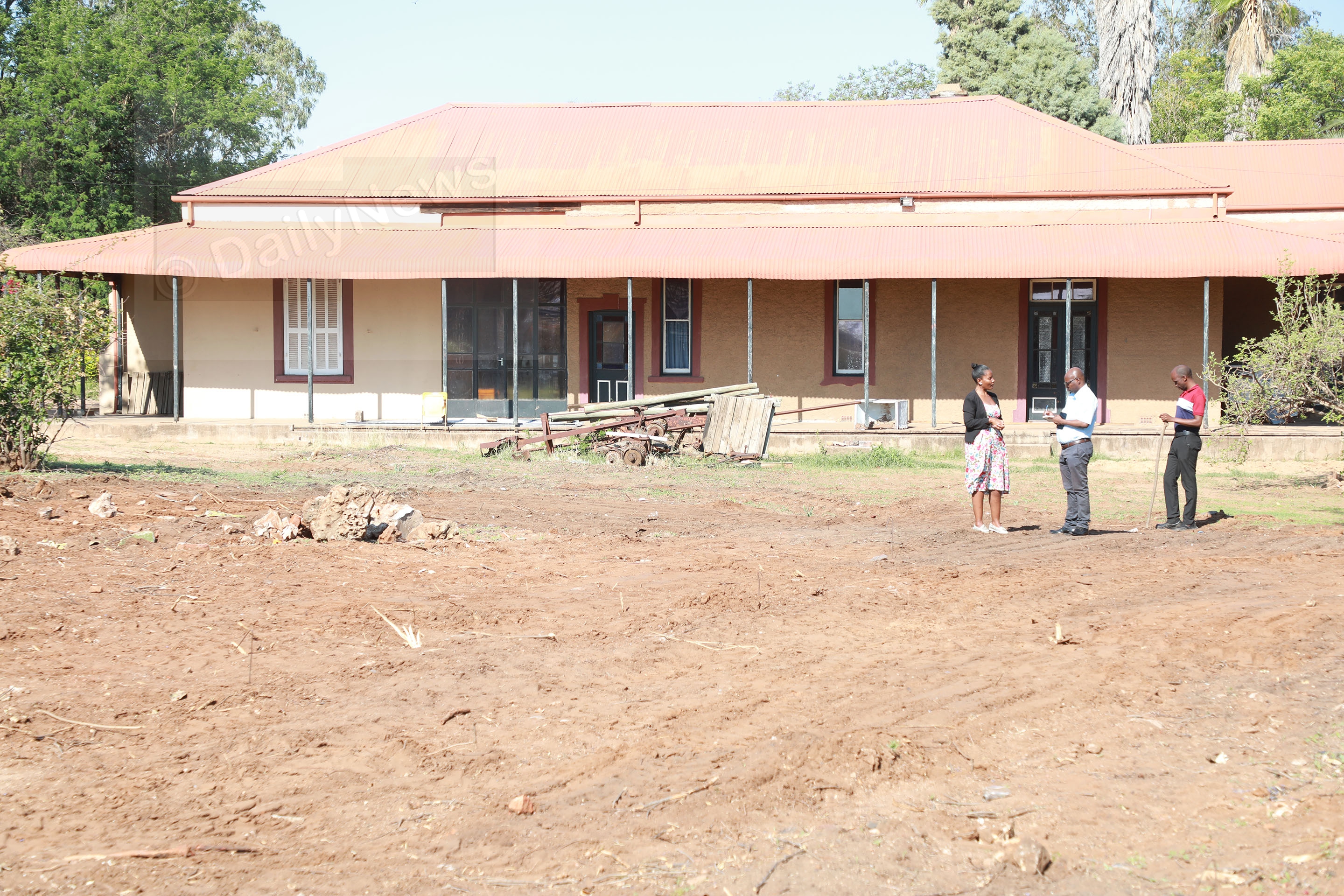
Speaking in an interview, Khama III Memorial Museum curator and cultural expert, Gase Kediseng said Botswana artefacts were around the world in museums, more especially United Kingdom and United States of America.
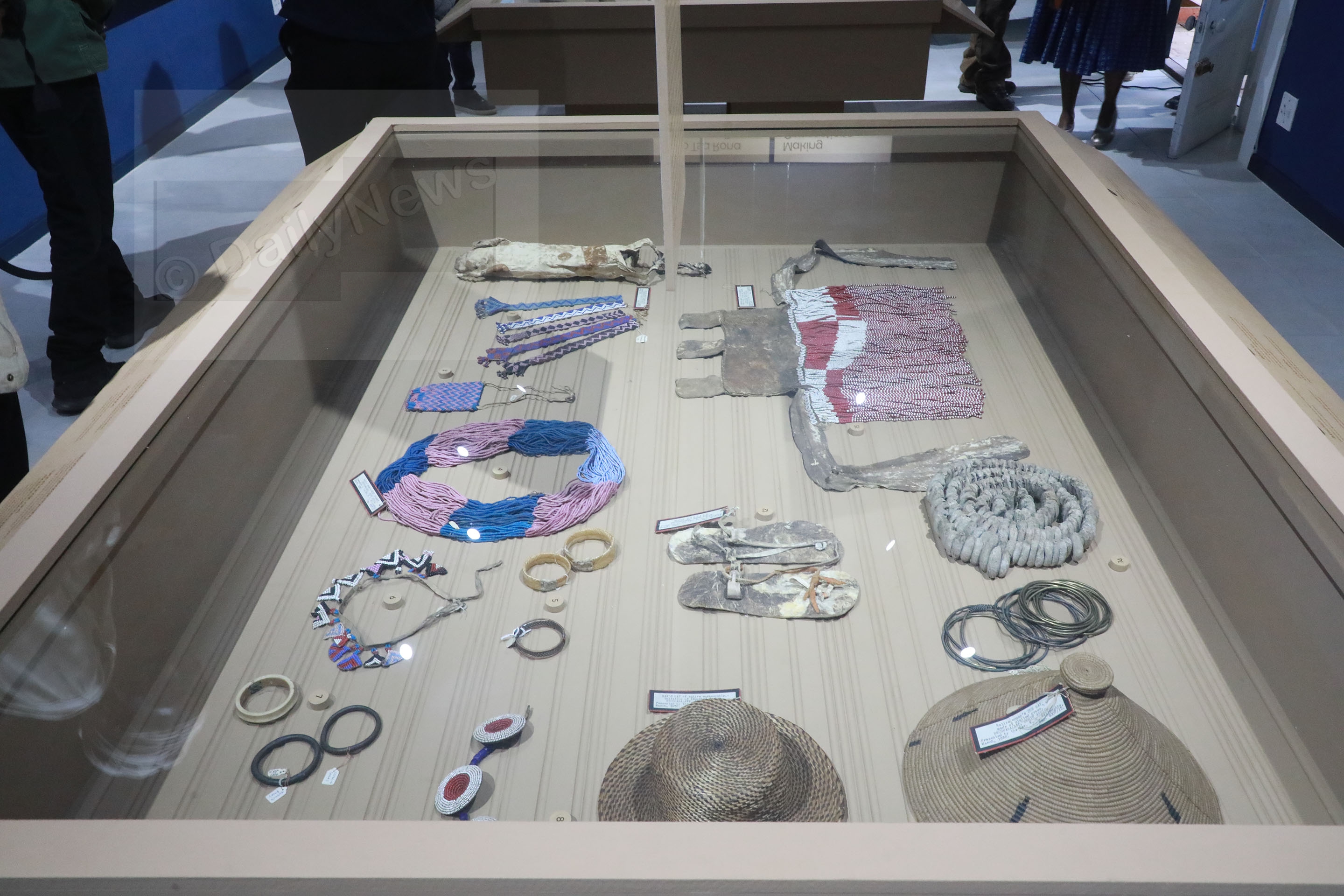
She said such artefacts were collected during the 18th century; with Rev. William Willoughby in the 1890s collecting a good number of such items in GaMmangwato territory that were deposited at Brighton and Hove museums, UK of which 45 of the items were returned to Botswana marking a landmark restitution for the repatriation exercise.
She said the repatriation created a lot of curiosity and debate about the items creating lingering questions in people’s minds; ‘where could be other Botswana artefacts.’
She said what came to the fore was that Botswana artefacts were all over around the world.
Furthermore, she said Khama III Memorial Museum was interested in finding information about documents, photos’ visitors to Bechuanaland from Germany, Poland, Czech Republic, Slovakia and Russia, among others from 1850-1966.
Of particular, she noted the museum was interested in Emili Holub, a Czech doctor, who spent time in Bechuanaland in the 1870s who was a close friend to Kgosi Khama III.
She said Holub collect items along GaMmangwato region that were deposited at Emili Holub Museums in Czech Republic and Slovakia that she said they would contact for more information.
She opined that there was a likelihood that they might be visitors from Central Europe to Bechuanaland that they did not know about at all, thus triggering an intensive research.
In addition, she spoke of the need to make follow-ups on artefacts, pointing a 19th century, as Ngwato fertility doll was spotted in a Spanish museum in Spain.
She said such a doll was used to perform rituals for women who could not conceive or to thwart barrenness for both sexes.
“Our next move was to repatriate Botswana items from Iziko Museum in Cape Town, South Africa,” Ms Kediseng said.
Kediseng said Iziko Museum was willing to return Botswana items. She cited that among the prominent Botswna items that were in South Africa was a six pounder field cannon dubbed ‘the Nelson or Lord Nelson’ which was used by Kgosi Sechele I of Bakwena, believed to be in a certain museum in Mafikeng.
She is of the view that it was a massive project that would need an engagement of government for assistance.
Moreover, she said Botswana had seen the value of getting the country’s heritage back and remained optimistic that going forward the government would provide the necessary support for repatriation, funds permitting.
Appreciating the continuous support of government, she said it continued to fund museums across the country though it could look like a drop in the ocean.
“Repatriating items is a very expensive exercise and therefore we might not be able to get all our items and that laws in other countries preventing repatriation of such items was not helping the situation, thus triggering a need for more consultation,” she said. ENDS
Source : BOPA
Author : Thato Fane and Tumelo Obusitse
Location : Serowe
Event : Interview
Date : 29 Jul 2026
Related News

22 Sep 2026


22 Sep 2026
Government records budget surplus
22 Sep 2026