


Botswana Continues to Monitor global progress on Injectable ARVs
29 Jul 2026
BOTSWANA CONTINUES TO MONITOR GLOBAL PROGRESS ON LONG-ACTING ARVs
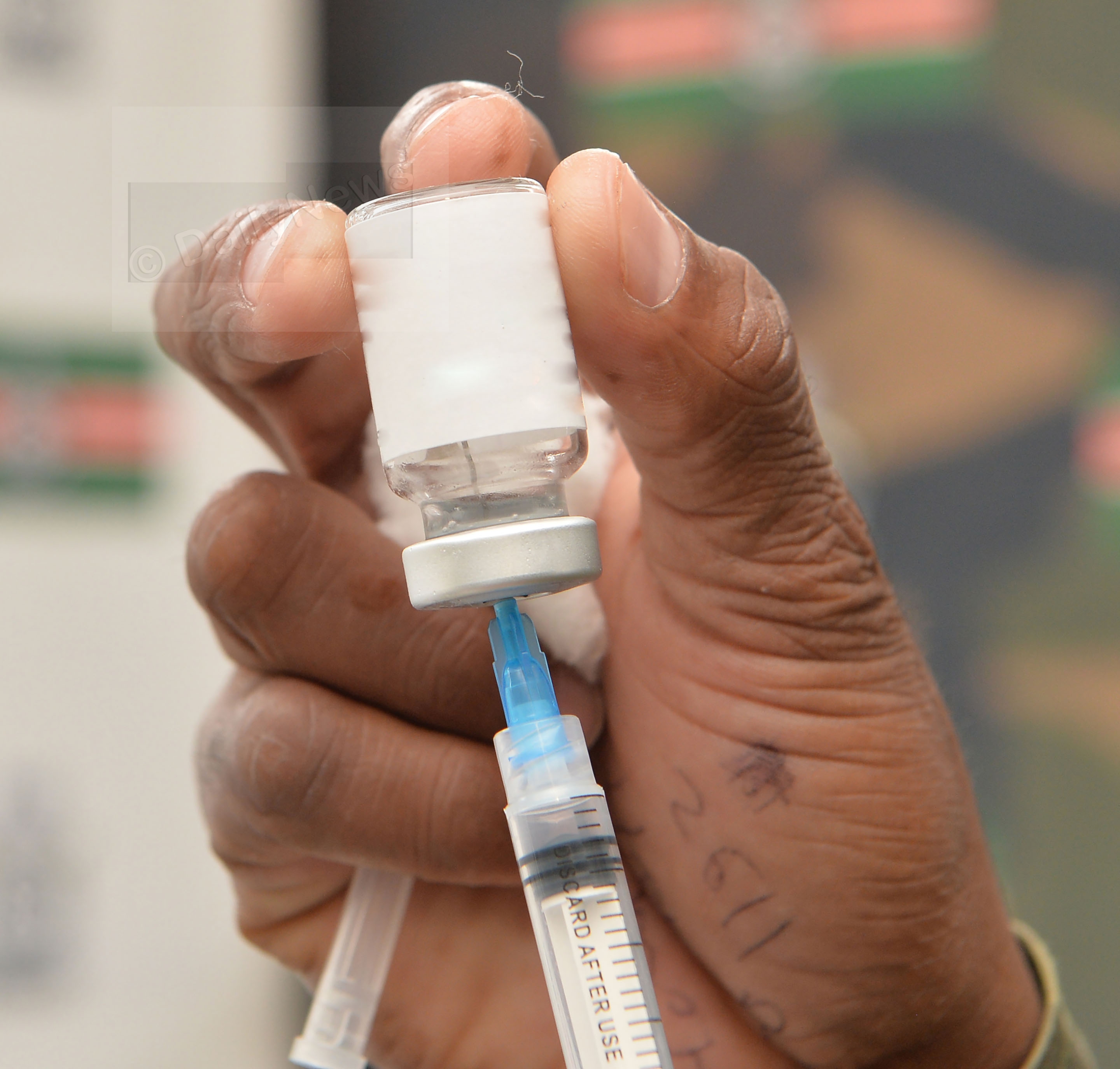
The Ministry of Health says Botswana remains committed to adopting long-acting injectable antiretroviral (ARV) medicines once they become globally accessible, affordable and recommended for widespread use.
In an interview, Ministry of Health spokesperson, Dr Christopher Nyanga said although Botswana was exploring the introduction of injectable ARVs as part of efforts to expand HIV treatment options, the medicines remained largely unavailable globally, except in a few high-income countries where they were offered to selected patients.
He said the delay was due to factors beyond the ministry’s control, including the high cost of the medicines, lack of affordable generic versions, delayed regulatory approvals and complex global supply chain constraints.
"Injectable ARV medicines are still not widely available for treatment globally, except in a few high-income countries for some selected patients," says Dr Nyanga.
He explains that because demand from countries remained low, pharmaceutical companies had also limited production of the injectable medicines.
Dr Nyanga further noted that newer long-acting injectable ARVs, which required one injection every six months instead of every two months, were currently undergoing clinical trials.
"The world is basically waiting for the conclusion of some ongoing clinical studies, which are expected in a couple of years," he says.
He said injectable ARV medicines for HIV treatment were therefore unlikely to become available in low- and middle-income countries in the near future.
Despite the global challenges affecting access to injectable treatment, Dr Nyanga said Botswana was making progress in expanding HIV prevention options through long-acting injectable medicines.
He said the Ministry of Health introduced Cabotegravir for HIV Pre-Exposure Prophylaxis (PrEP) in February 2025 and the medicine was currently available at a number of public health facilities across the country.
"The injection is administered once every two months to help prevent HIV infection among eligible individuals," he says.
Dr Nyanga said the Ministry of Health, through the national antiretroviral treatment programme, continued to monitor global developments and adopts new HIV treatment and prevention options once they become cost-effective and recommended by international health authorities. ENDS
Source : BOPA
Author : Taboka Ngwako
Location : Gaborone
Event : Interview
Date : 29 Jul 2026
Related News




07 Oct 2026