


Govt intensifies dairy research
23 Jul 2026
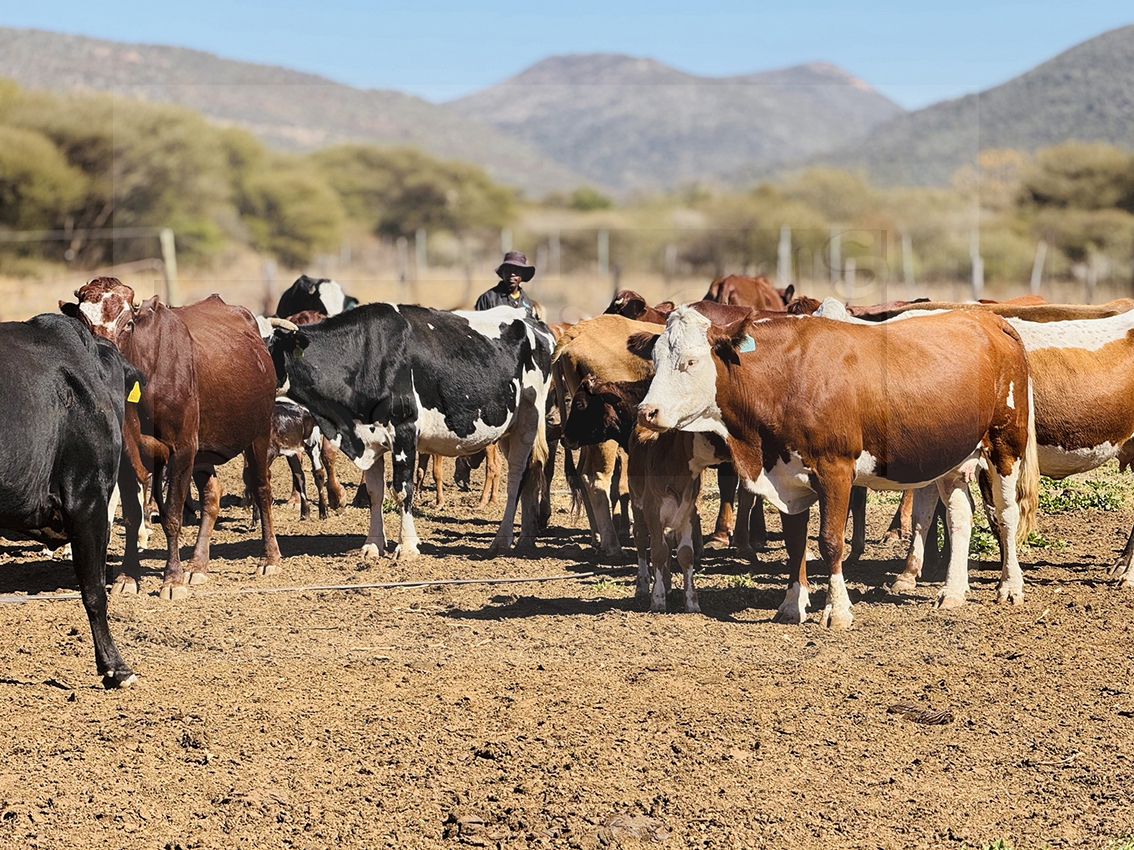
Government has intensified dairy research at Sunnyside Ranch in Lobatse to determine which crossbreed is best suited for local production.
Guided by the country’s economic transformation agenda, initiatives, including the Dairy Cross Breeding project and the Adoption and Introduction of the Girolando cattle breed project, aims to provide scientists with defivitive recommendations on the ideal breed that will deliver the highest milk output while exhibiting strong resilience.
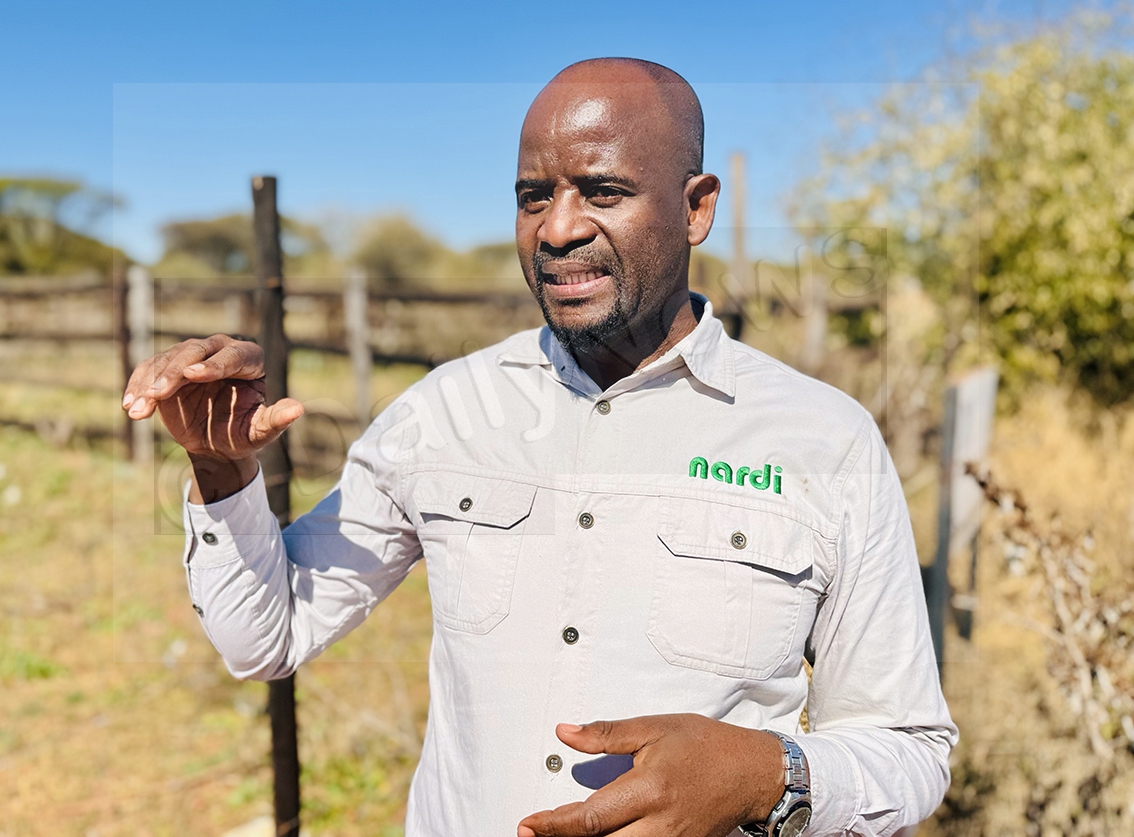
In an interview, a senior research scientist from the Department of Animal Production and Health at the Botswana National Agricultural Research and Development Institute (NARDI), Mr Utlwanang Moreri, explained that the Dairy Cross Breeding project leveraged animal breeding, genetics and reproduction technologies.
This entails crossing indigenous Tswana cows with four exotic breeds of Simmental, Brown Swiss, Jersey and Holstein Friesian, he said noting that efforts were directed at strengthening Botswana’s dairy industry with emphasis on milk quality.
He said scientists were working on the Girolando cattle breed, guided by research which indicated that the breed was highly adaptable to tropical conditions.
“We will be doing research and evaluation to see if it does well here in our climatic conditions. We have also bought the Girolando embryos from Brazil which will be implanted into our Tswana breeds to see what delivers the best results,” he said.
However, he indicated that undertaking such advanced research came with a hefty price tag, presenting a challenge amid tight financial constraints.
He added that the projects were currently funded by government, with critical resource support from the International Atomic Energy Agency (IAEA).
“We have submitted a proposal which was successful and now IAEA will provide the ranch with artificial insemination equipment, the embryo transfer equipment and storage equipment for semen and embryos. IAEA is supporting through supply of equipment which has been very useful for us making our job much easier,” he said.
He complained of logistical bottlenecks which he said posed a hurdle for the team, saying the day-to-day challenges involved sourcing project consumables, which were not readily available locally.
“Orders must be placed from South Africa, resulting in frustrating three-month delays for essential items, including specialised medication and research hormones,” he said.
Furthermore, he pointed out that researchers were operating within an aging infrastructure that was long due for a refurbishment, adding that while the Sunnyside Ranch experimental site spanned 2 000 hectares divided into 12 paddocks, it required major revival.
“We need new cattle trails. Currently we still jump over the crush to access animals from the back when administering artificial insemination. These are areas that need to be improved,” he stated.
Beyond volume, he said the project largely emphasised on the quality of the end product.
“Milk composition depends on the breeds that one use. The higher producing milk cows tend to have lower milk constituents or solutes. You will find that some smaller breeds of medium framed breeds like Jersey and low producing breeds like the Tswana their milk composition has more solutes when compared to the Holstein Friesian,” he explained. Meanwhile, a team of Batswana scientists is scheduled to leave the country for advanced embryo transfer training in India to build upon previous training they received in Brazil. ends
Source : BOPA
Author : Calviniah Kgautlhe
Location : Lobatse
Event : Interview
Date : 23 Jul 2026
Related News

13 Oct 2026
Expo sparks regional leather expansion

12 Oct 2026
Partnership to boost vehicles maintenance
12 Oct 2026
Farmers urged to treat agriculture as a business
12 Oct 2026