


Khama III Memorial Museum receives Colonial Artefacts from UK
01 Jun 2026
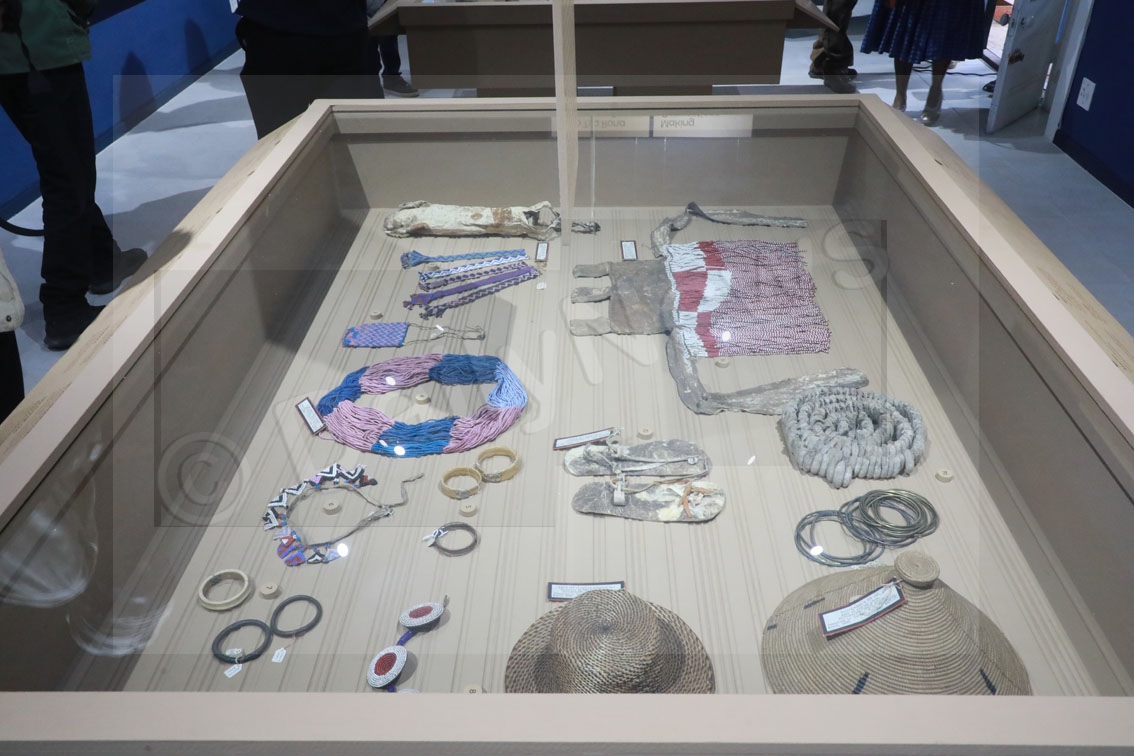
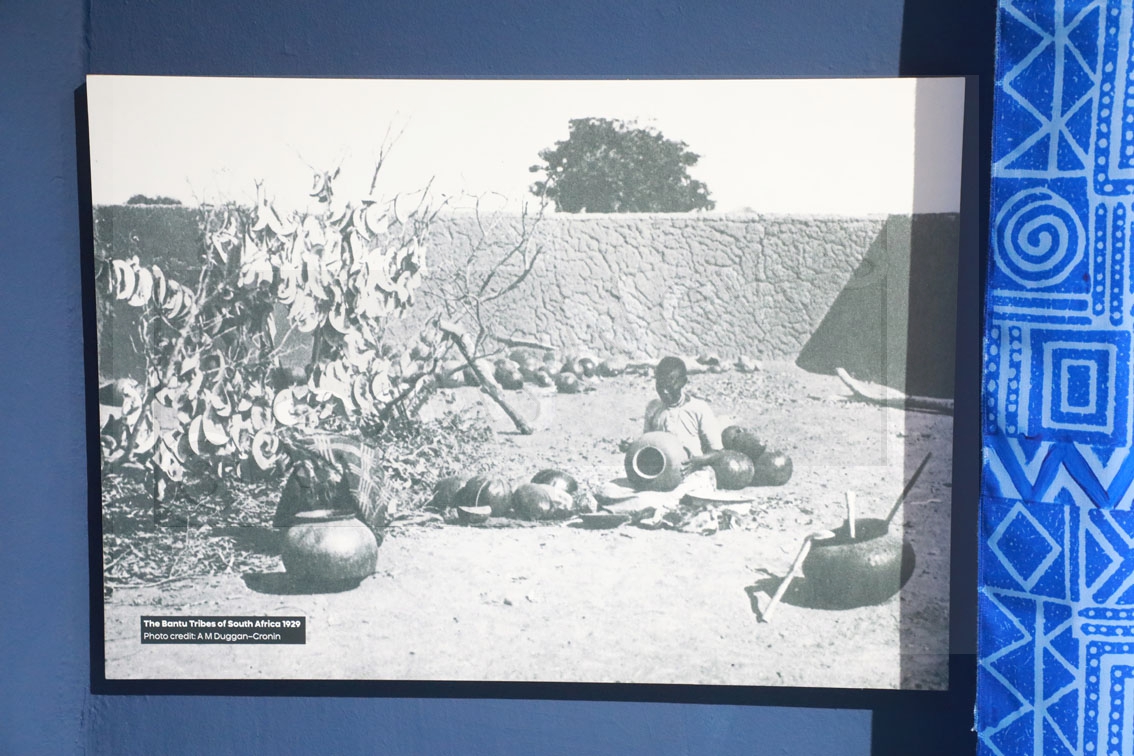
British Missionary, Reverend William Charles Willoughby, collected and removed dozens of cultural artefacts from GaMmangwato territory in 1890s.
While some were given as gifts or gathered during his time as an advisor to Kgosi Khama III, the items were taken under unequal colonial power dynamics.
After nearly 130 years in the United Kingdom, the colonial era artefacts have finally been brought back home.
Khama III Memorial Museum submitted a formal claim for the items’ return in 2022 and the United Kingdom responded in the affirmative.
The repatriation of artefacts from the UK is directly linked to the African Union’s strategic push of which it champions the return of collected heritage through its ‘Plan of Action on Cultural and Creative Industries', driving bilateral claims by individual African countries against British museums.
The repatriation process saw 45 sacred artefacts including clothing and hunting implements from UK’s Brighton and Hove Museum being returned to Khama III Memorial Museum in Serowe.
Following the restitution landmark agreement with UK’s Brighton and Hove Museums, the items were officially repatriated to Botswana leading to an official unveiling ceremony of the historical artefacts of significance at an exhibition marked by ululations, celebrations and joy at Khama III Memorial Museum on Wednesday.
Kgosi Khama IV of BaGammangwato expressed gratitude during the ceremony noting, history and culture preservation would not be complete without the repatriated items.
The event marked an important milestone in history as it accorded viewers an opportunity to reflect on their history, identity and responsibility to preserve and honour who they are as Bangwato, BaGammangwato and in large Batswana.
“Such artefacts that were taken almost 130 years back during Khama III’s reign form part of Batswana’s daily lives, ceremonies and creative memories. They were not only of historical significance but had a deep cultural, tribal and national importance,” said Kgosi Khama.
He reckoned that Batswana’s heritage and identity were entangled to their way of life, denoted the way people lived together, how they related to one another, and saw their place among those who came before them.
Kgosi Khama said that was where their values mattered; Botho, Therisanyo, Kutlwano and Boipelego, adding these were the guiding principles for communities that formed the foundation of understanding heritage as something shared, lived and protected across generations.
To this end, he emphasised the importance of cultural preservation for posterity, since its extinction would result in the nation losing its identity.
As the country approaches its 60th independence anniversary on September 30, Kgosi Khama said the exhibition was more than just a remembrance triggering the nation on a trajectory to reminisce about the value for nation building.
Therefore, he said nation building meant reflecting on the past and understanding the country’s history that shaped the future.
Kgosi Khama said heritage and culture were not just aspects of identity but helped nations define themselves, grow and create opportunities.
In addition, preserving culture, supporting museums and repatriation are recognised as drivers of development, contributing to education and creative industries, and job creation.
“The exhibition and broader repatriation exercise demonstrates what is possible, it is not only about returning artefacts but also about unlocking learning, research, tourism, creativity and creating opportunities for future generations,” said Kgosi Khama.
He appealed for donor funding and assist of any kind, to refurbish Khama III Memorial Museum and help it operate successfully.
British high commissioner to Botswana, Giles Enticknap, concurred with Kgosi Khama in that artefacts connected generations and individuals alike.
He said understanding history mattered because it had a bearing in international relations.
Enticknap said artefacts made people attached to history and helped them make wise decisions about the future.
He said artefacts acted as physical bridges across time, transforming abstract history into tangible stories.
They preserve cultural heritage, he said and anchor identity as well as spark conversations, allowing families and communities to share experiences, understanding their roots and remain deeply connected despite evolving generations.
The story of repatriation is about partnership of institutions and communities, spanning almost seven years of dialogue and collaboration of shared purpose, museums in the United Kingdom are in longstanding and positive relations with institutions and communities around the world, said Enticknap. ENDS
Source : BOPA
Author : Keith Keti
Location : Gaborone
Event : Interview
Date : 01 Jun 2026
Related News
15 Oct 2026
14 Oct 2026
Masega talks empowerment
13 Oct 2026
Maun Photo Walk returns for second

13 Oct 2026
Gastronomic festival to promote cultural Ties

13 Oct 2026