


Intersex Seldom Talked About
27 Apr 2026
When a baby is born, the first question asked is often, ‘Is it a boy or a girl?’
Yet for some, the answer is not clear-cut, as the body does not fit the traditional binary definition.
The condition of being born with a body that fits neither male nor female is called Disorders of Sexual Differentiation, or DSD for short, and is often referred to as intersex.
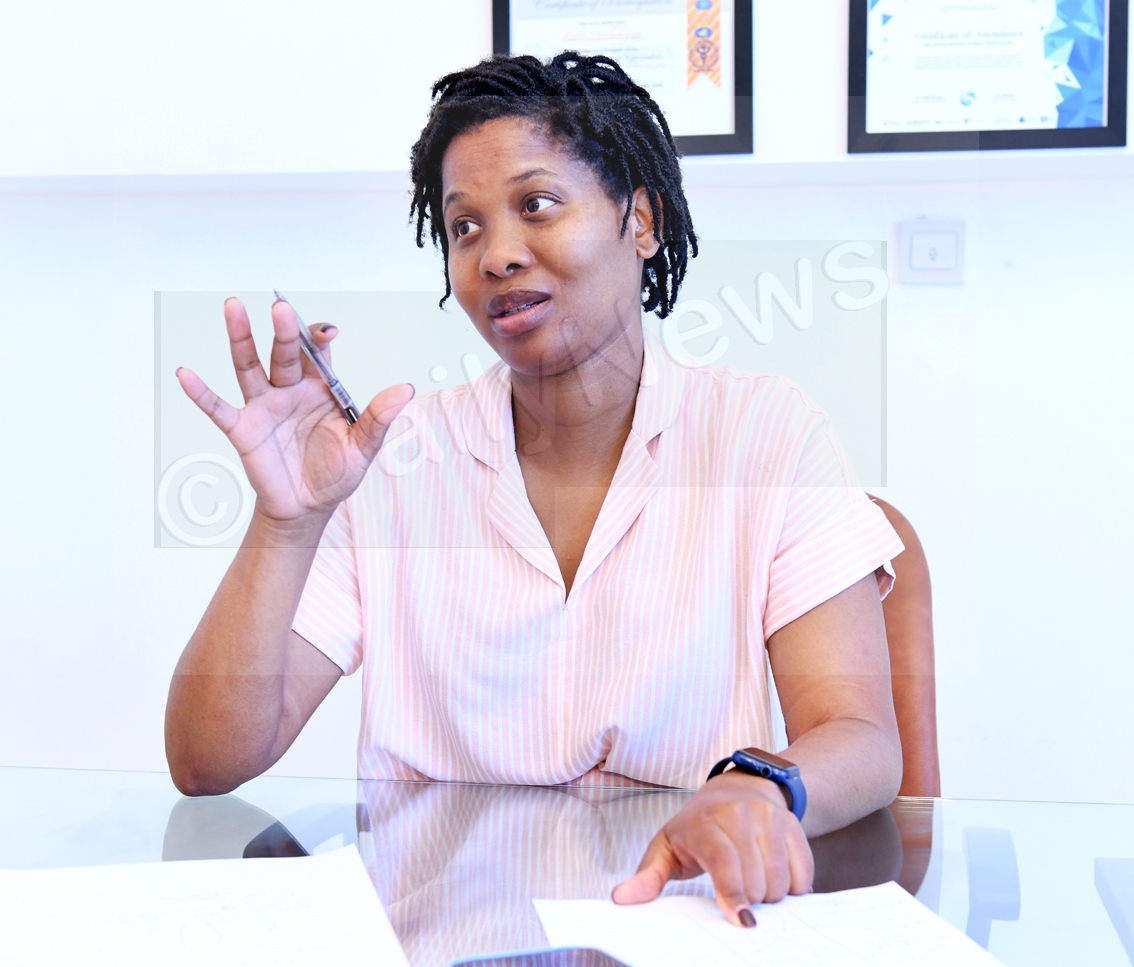
A paediatric surgeon, Dr Kutlo Motlhobogwa, explains that the condition means a person’s chromosomes, reproductive organs, or genitals developed in a way that is not typically male or female.
She further explains that DSD is complicated and needs careful medical care, adding that many children and families in Botswana are affected by it.
At Princess Marina Referral Hospital alone, doctors operate on an average of 28 children with DSD every year, showing the severity of the condition.
But what really causes this disorder?
According to Dr Motlhobogwa, who operates children’s specialist clinic, Bana Kerona Pediatric Surgeon, at Life Gaborone Private Hospital, when babies first start developing, all of them have the same basic body parts.
And what decides if they develop as male or female are chromosomes, the body’s instruction manual, with girls having XX chromosomes and boys having XY.
The presence of the chromosomes found in boys leads to the development of testes, while their absence leads to ovaries, but something can go wrong in the process, leading to a disorder.
“For you to have a disorder in the differentiation, something has to go wrong,” she explains, noting that in females, it can lead to having both an ovary and testicles, while in boys, one can have the testes inside but an external build-up as a girl.
In such instances, it would be important to achieve a normal appearance and function for the child, Dr Motlhobogwa says, noting that timely intervention supports the child’s physical and emotional well-being.
“Surgery can help with these conditions,” said Dr Motlhobogwa, stressing the importance of involving parents in the decision-making process.
The main goal is to help the child look and function normally, and to make sure they are healthy and happy, in body and mind.
How doctors treat DSD depends on each child’s situation, as it might be surgery, hormone medicine or both.
Dr Motlhobogwa explains that sometimes surgeons leave it to the parents to decide.
“We do not define for them what they must do, how they choose to raise their child, they decide for themselves,” she says.
Dr Motlhobogwa emphasises the importance of maintaining a cosmetic appearance and ensuring normal, healthy sexuality in such cases.
“We want to ensure normality in terms of urination and sexual function. This is particularly important in boys if the penis is bent,” she says.
In such cases, surgery is often needed right away as urine can spray down the legs or lead to painful erections, adding that because the condition affects how the body works early on, surgery is needful.
Also, Dr Motlhobogwa says some boys may need testosterone treatment to help the penis grow to a normal size.
As for girls, she said some surgeries can wait, especially those dealing with the private parts’ appearance, as they are not urgent.
She noted that children with the disorder often face psychological challenges, as they could grow up confused, looking like a boy yet feeling like a girl, dressing like a boy but sitting down like a girl, thus becoming secluded.
Another challenge is that they can go through a lot of bullying abuse and also be ashamed of their bodies.
Traditionally, such issues were never discussed owing to stigma.ends
Source : BOPA
Author : Bonang Masolotate
Location : Gaborone
Event : Interview
Date : 27 Apr 2026
Related News

10 Oct 2026
Feature Reliving the Long March 90 years on


09 Oct 2026