


Constitutional Court Now over to the Plebes
23 Apr 2026
Mmualebe o bua la gagwe, gore mona lentle a tle a letswe, goes the old Setswana idiom. In English it means, let those with a nasty opinion have their say, that those with kinder words may also opine, a clarion call for free speech.
That was evident recently as Kgosi Puso of Batlokwa and morafe partook in a debate over the proposed constitutional court.
This, after the National Assembly on March 30, elected to pass the Constitutional (Amendment) Bill Number 14 of 2025, which seeks to establish a dedicated Constitutional Court of Botswana.
As is the case with the entrenched clauses of the Constitution, the matter now heads to a referendum for the ordinary citizens of Botswana, to decide through a majoritarian vote whether the country could proceed with the decision.
Akin to Umofia kinsmen in moonlit discussions over palm tree and kola nut in a Chinua Achebe classic, the Batlokwa were recently among the first to gather with legal experts and discuss the way forward ahead of the referendum.
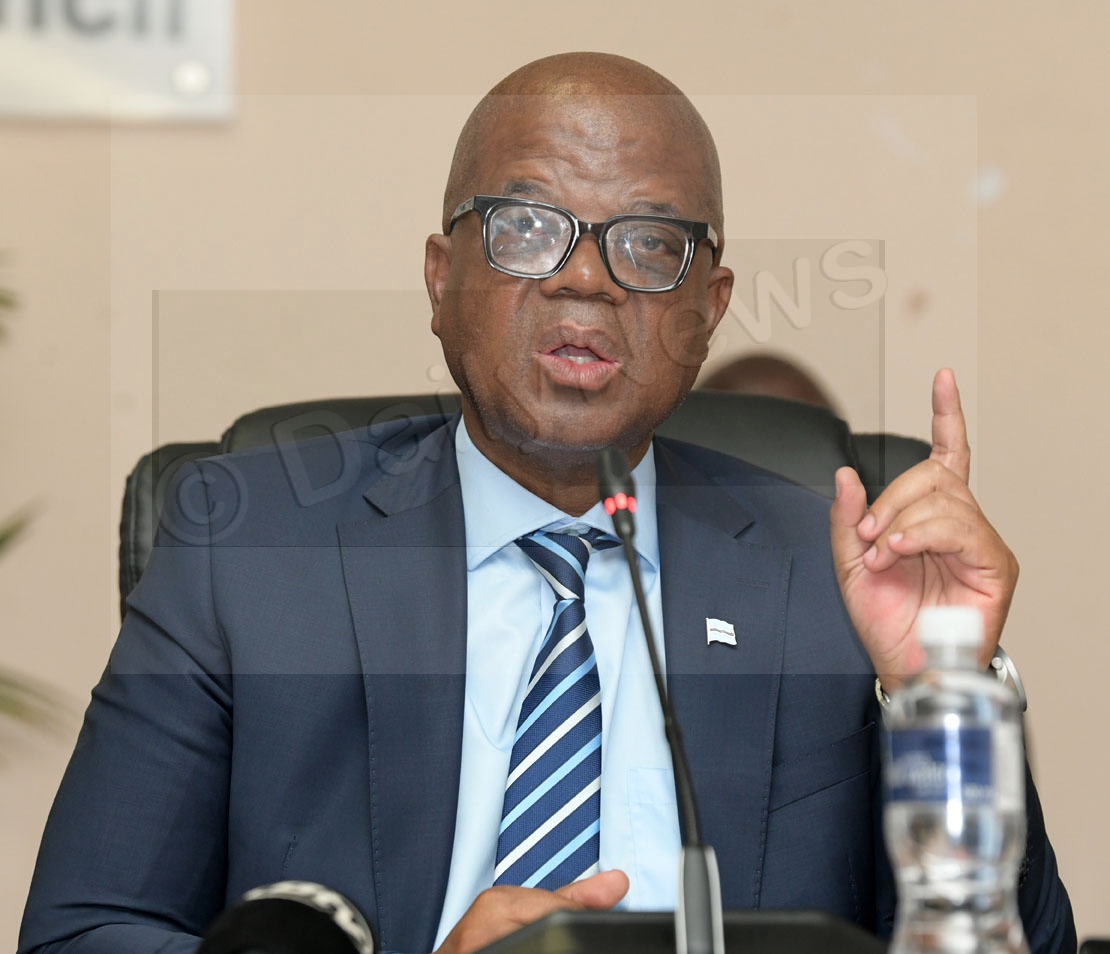
Kgosi Puso noted that the country had now arrived at a critical juncture where the nation had to decide after Parliament had exercised its own mandate of passing the bill, and as such it was imperative that citizens familiarised themselves with what a Constitutional Court was, and participate in the referendum once organised.
Historian, Dr Jeff Ramsay concurs. “This is a very critical matter, as it alters the structure of the judiciary, a vital arm of government and last line of recourse for citizens.The Constitution of Botswana has certain clauses that are entrenche, and thus require a two thirds majority vote in Parliament, followed by a popular vote in a referendum,” Dr Ramsay said in an interview.
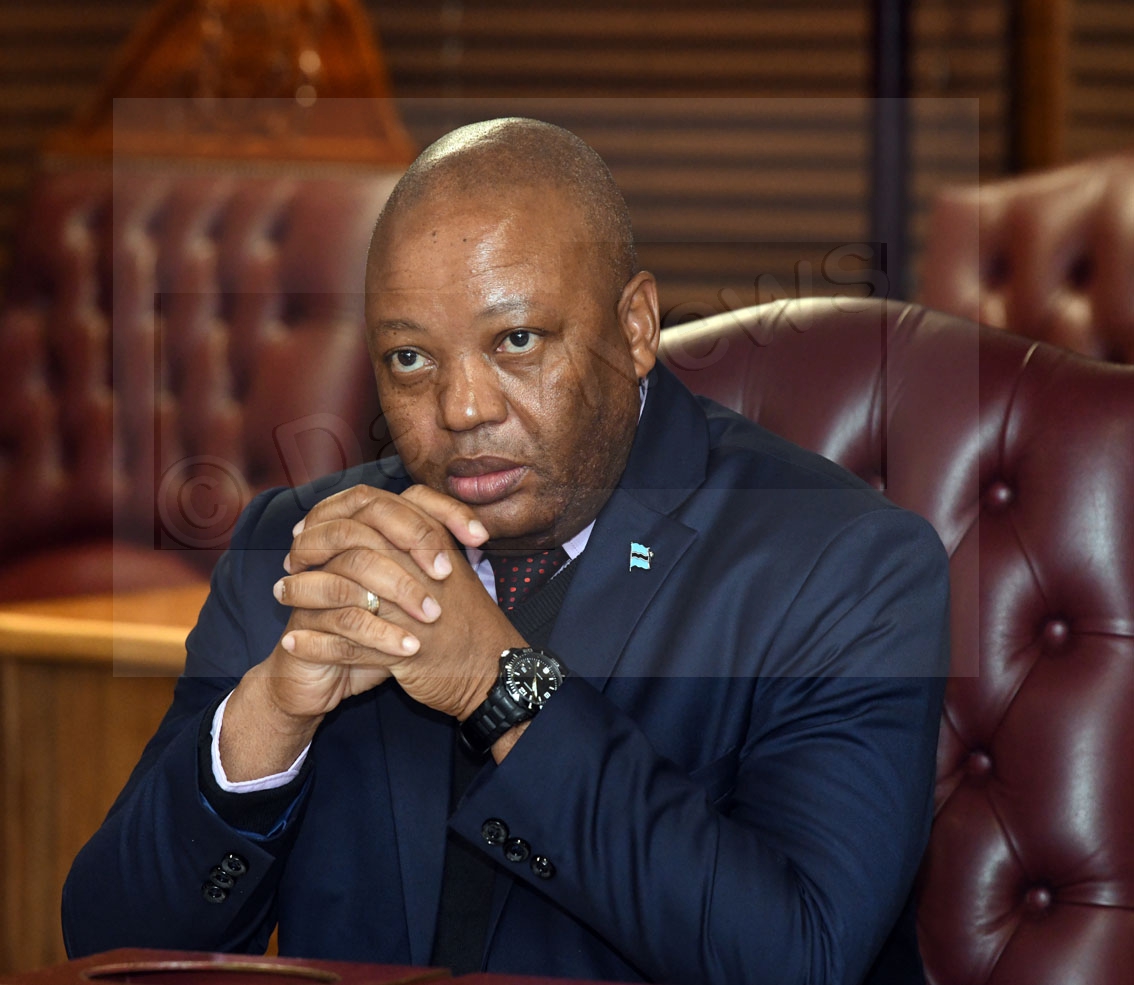
With a two thirds majority, the bill, that had been tabled before Parliament by the Minister for State President, Defence and Security, Mr Moeti Mohwasa, last year, went into the committee stage in December after passing through the second reading debate where at the time, of the 38 MPs present, 26 were in favour, none against with 12 abstentions.
Section 89 of the Constitution permits Parliament to alter the Constitution, with a bill for an Act of Parliament first published in the Government Gazette no less than 30 days before it is introduced in the National Assembly.
If it alters the entrenched clauses of the Constitution, after the second reading it then has to go for two thirds majority vote and in terms of Section 89 3 (d) of the Constitution, a referendum follows thereafter.
“In Botswana’s history, referendums have been very rare. There has also been the challenge of poor voter turnout whenever the referendums have been held,” Dr Ramsay said.
The 1987 Electoral Reform Referendum introduced the post of the Supervisor of Elections and amended the Constitution with regards to the citizenship requirements for the post of President and Vice President of the republic.
“The 1997 Electoral Reform Referendum established the Independent Electoral Commission (IEC), a limited two term presidency as well as lowering the voting age from 21 to 18.
Then there was the 2001 Judicial Reform Referendum which introduced a minimum requirement of 10 years experience for the appointment of a high court judge,” Dr Ramsay recalled.
He explained that a referendum was a direct, popular vote where the electorate decided on a specific proposal, law or policy.
It is a democratic mechanism for ordinary citizens to approve or reject laws or provide advice on issues such as constitutional changes.
In ancient Rome, there were two major social classes- the patricians being the hereditary aristocratic ruling class, while the plebeians were the common people.
Initially, the patricians held a monopoly on political office, but after the Struggle of the Orders (a battle over two centuries between the two classes leading to the Constitution of the Roman Republic), the plebeians gained political rights, including the right to pass binding laws.
Over time, as Europe evolved, democratic systems inspired by ancient Greek and Roman social order, there evolved a plebiscite, a vote to gauge the opinion of the people of an entire country or district over an issue or course of action, such as the autonomy of a district.
In the Swiss cantons, the referendum evolved as a public votes to effect change on constitutional matters. Since it effects change, it is more binding than a plebiscite, which gauges public opinion.
Now that the politicians have made their decision with a two thirds majority in Parliament over the Constitutional Court, it is up to the country’s ordinary citizens to decide whether to endorse such an institution.
“This is one of those instances where the citizens directly wield power. They can decide to endorse or reject the decision of their elected representatives. It is direct democracy as opposed to the delegated authority of a parliamentary vote.
Public debates have shown differences of opinion, and it is up to the voters to participate and make a binding decision on the structure of the judiciary,” said Dr Ramsay. ENDS
Source : BOPA
Author : Pako Lebanna
Location : Gaborone
Event : Interview
Date : 23 Apr 2026
Related News

09 Oct 2026
Duma Boko School prepares for January intake
09 Oct 2026
Botswana and Zimbabwe seal waste management deal

08 Oct 2026