


Officials warn of illegal phane harvesting
22 Apr 2026
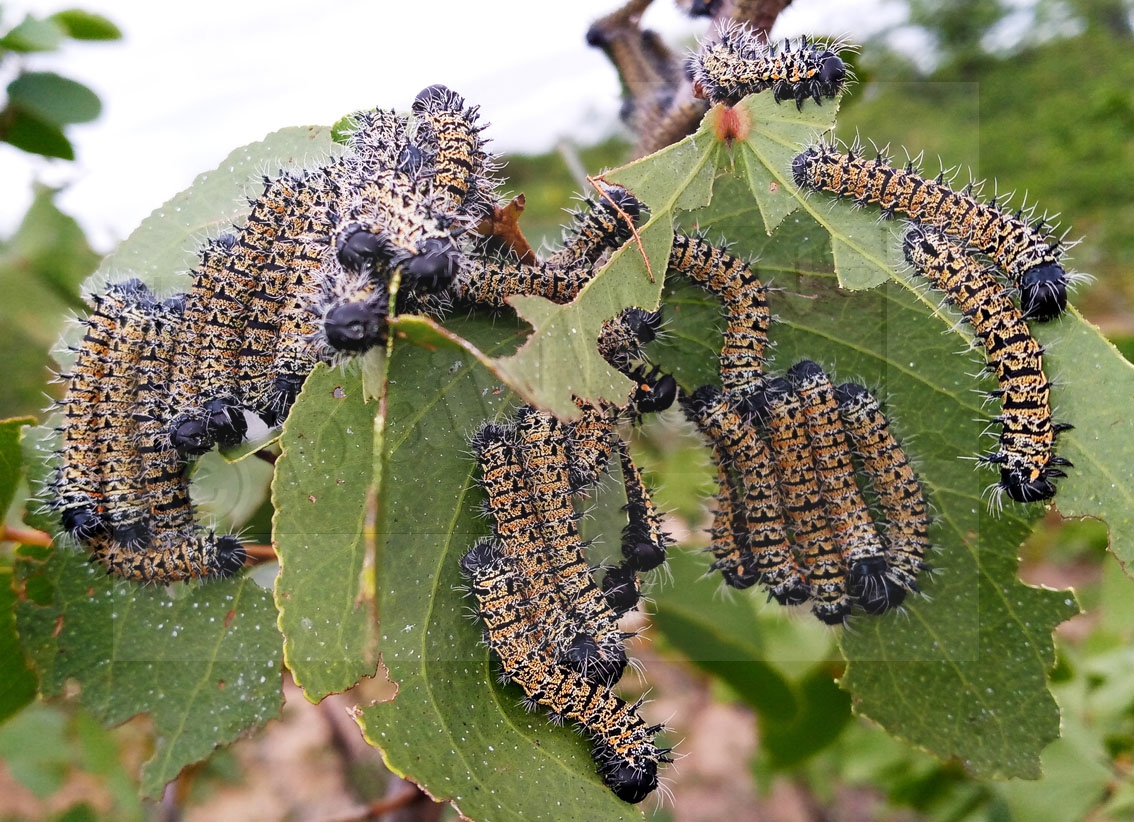
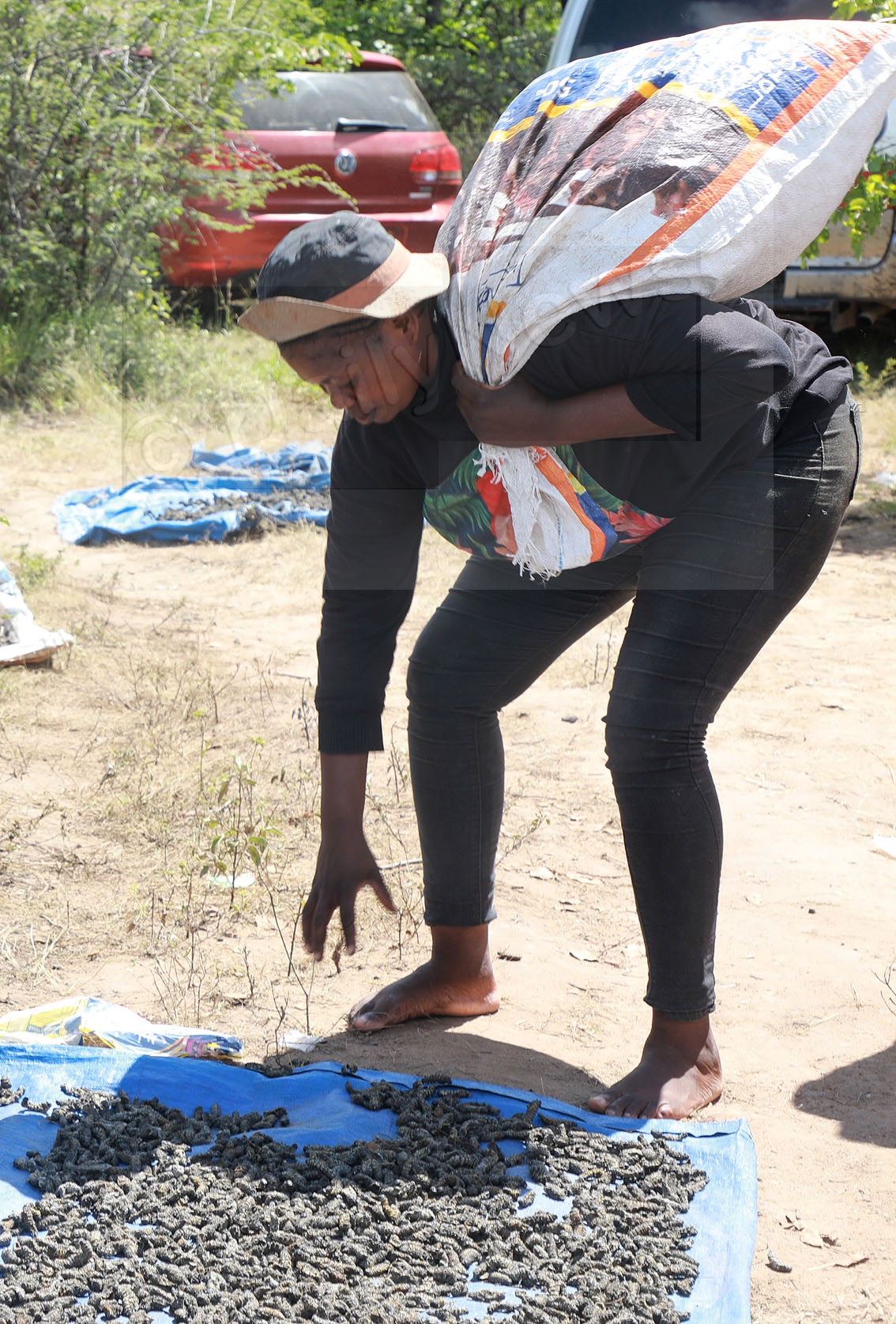
Hordes of people across the country flock the environs of Tshimoyapula for Phane harvesting leaving the area depleted.
Forestry and Range resources officials have raised concern about illegal harvesting and that harvesters were not considerate about sustainable methods of harvesting.
Officials also raised alarm about the risk of getting lost during the exercise, pointing a significant number of people lost during phane harvesting was registered.
Approximately over 3 000 people were spotted at lands and farms near Tshimoyapula and cattle posts near Serule betrothed in phane harvesting deemed to be a lucrative business.
Meanwhile, Mophane worm harvesting is a highly profitable, yet unpredictable business in Southern Africa offering significant income generation for rural households and creating a vibrant cross-border trade.
Forestry and Range Resources’ District Coordinator Officer based in Serowe, Ms Wananani Makgopa raised suspicions that some foreigners might be harvesting phane illegally and selling it in their native countries after tax evasion, thus costing Botswana millions that could have been accrued as revenue.
Furthermore, she said border posts were critical revenue collection points with Customs and Exercise contributing a significant amount to the country’s total revenue in each financial year.
In addition, she said they made sporadic surveillance in the prairies of Tshimoyapula, pointing the department was grappling with challenges of illegal harvesting of the Mophane worm and that environmental pollution was not helping the situation at harvesting camping sites.
During BOPA visit, Phane harvesters were spotted in different locations in the plains of Tshimoyapula. However, most of the people were from Tswapong, Selebi-Phikwe, Mahalapye, Topisi and Serule areas as well as areas from the North East. Zimbabweans and South Africans were also part of the assemblage.
“It is surprising to find out that Mophane worm harvesters braved torrential rains and elephants in search of the profitable mophane worm,” said Ms Makgopa. She noted that many people were not deterred by distance and thus flocked harvesting spots at Tshimoyapula leading to friction with local cattle farmers citing the move elicits cattle diseases citing measles.
She decried that some Batswana had a tendency of harbouring and engaging illegal immigrants to harvest phane for them, warning such comes with repercussions. Reinforcing their surveillance, she said they had engaged law enforcement officers to deal with those who were selling illegal traditional concoctions and drugs at camping sites.
“Harvesters often leave behind litter, plastic bags and gloves, which poses a risk to the livestock industry and was also a health hazard and an eye sore to humans,” she said.
To exacerbate the situation harvesters also damage the fence along Serule – Tshimoyapula road, resulting in animals roaming the road, thus posing safety hazards to motorists.
Ms Makgopa stated that harvesting has also led to safety incidents, including fatalities from wildlife encounters citing deadly snakes. She had observed that people tend to concentrate more on collecting the phane worms from trees and paying little attention to their whereabouts, hence they get lost.
To this end, she urged harvesters to exercise caution at all times, adding it was risky to get lost during the rainy season and given that elephants were also roving in the area. Moreover, she said issuance of harvesting permits were on-going, noting Tshimoyapula local leaders had observed some harvesting practices that were uncalled-for thus calling for sustainable harvesting approaches.
Ms Makgopa said they also raised concerns about batter trade involving exchanging mophane worm for alcohol and clothes, describing such a practice as indecent.
She warned phane traders to get permits to facilitate trading locally and with neighboring countries, or face a jail term. Harvesters were also advised to seek permission from landowners or ranchers to enter their territory for harvesting purposes.
Ms Makgopa noted that the decision was reached as a conservation strategy to allow phane to pupate or burrow into the ground and become stock for the next season. She expressed concern over the dangers of plastic bags and gloves left behind, which might be ingested by livestock and reduce carcass quality.
One of phane harvesters, Ms Botsang Dikalanyane from Lecheng was of the view that phane harvesting season currently underway, hundreds of harvesters were aiming to collect as much as they can and sell in the local and regional markets.
Ms Dikalanyane complained about the prices of permits, indicating that they were expensive for local harvesters.
In Botswana, phane harvesting permits are mandatory for trade and subsistence gathering that should be obtained from Department of Forestry and Range Resources with dealers’ permits costing P110 while exporters and foreigners are charged P2 200 to obtain their permits.
As for subsistence, individuals are charged P5 for harvesters’ permit and only citizens are eligible.
She said harvesters need a central depot where they could sell their phane rather than battering in the bush.
She said unemployed Batswana should be given special dispensation to harvest phane without permits to improve the standard and quality of their life. Ms Segolame Gaerogwe pointed out that, together with her business partner, Ms Kebuang Garogwe from Ramokgoname, sold phane in the local market, where it is consumed in large quantities, as well as to commercial farmers in South Africa who feed it to their cattle.
However, Ms Thabang Motsumi from Mmadinare said they encountered challenges such as lack of potable water and transport, risk of getting lost in the bush, and risk of being bitten by deadly snakes, when harvesting phane.
A farmer Mr Obed Kenosi, complained bitterly about harvesters who trespasses in the cattle posts and farms without consulting them.
He said they cut their farm fences and some stole water from their boreholes.
He said the water in rivers, dams and ponds were contaminated because some harvesters left garbage excreted from phane in those water outlets. “There were no toilets. They brought in children and home based care patients at the camps,”Mr Kenosi lamented. ENDS
Source : BOPA
Author : Tshiamiso Mosetlha
Location : Tshimoyapula
Event : Interview
Date : 22 Apr 2026
Related News


13 Oct 2026
Expo sparks regional leather expansion


12 Oct 2026
Partnership to boost vehicles maintenance
12 Oct 2026
Farmers urged to treat agriculture as a business

12 Oct 2026