


Butchery owners seek balance on FMD control
15 Apr 2026
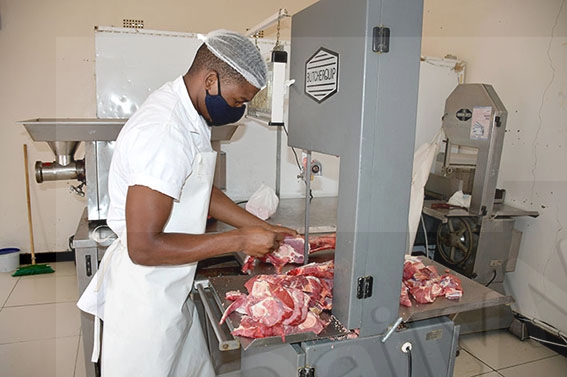
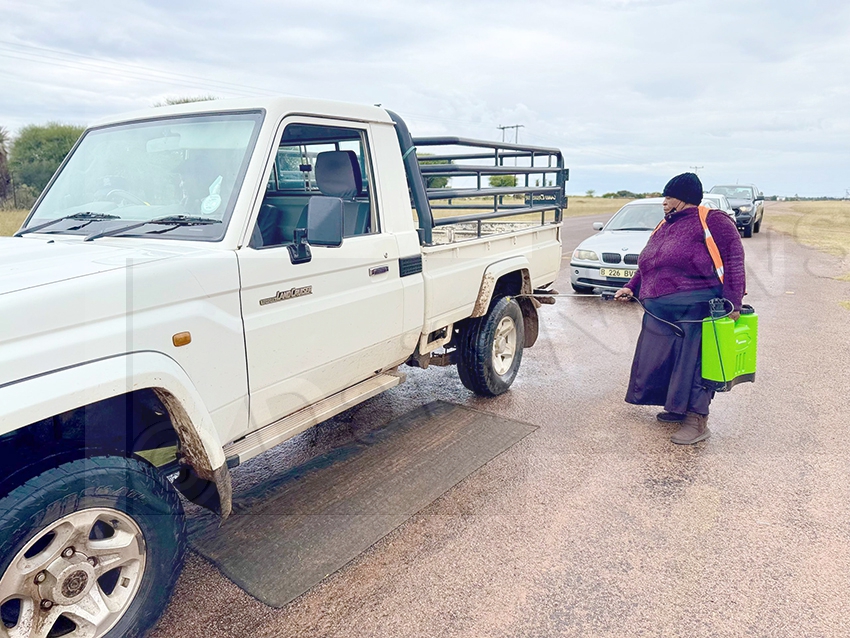
Several butchery owners across Kgalagadi have expressed support for government’s decision to suspend the slaughter of cloven-hoofed animals following the outbreak of Foot and Mouth Disease (FMD), warning that while the move is necessary, prolonged restrictions could cripple their businesses.
In separate interviews, the operators acknowledged that the suspension was a critical step to protect the country’s cattle industry, which remained a cornerstone of Botswana’s economy.
However, they appealed for a swift resolution to the outbreak, noting that the butchery trade was their sole source of income and prolonged disruption could result in permanent closures.
Rakutlwa Butchery owner, Mr Kitso Kamona, said although the decision had dealt a heavy financial blow, compliance was essential to contain the disease.
“It is crucial for all butcheries and the general public to adhere strictly to the directives issued by relevant authorities, including the total suspension of slaughter. This is the only way we can ensure a timely solution to this matter,” he said.
Mr Kamona noted that the detection of FMD in Molopo, which was in close proximity to Kgalagadi District, justified the government’s swift action.
He added that there were also allegations that some farmers in Zone 13, covering Kgalagadi North and South, had procured breeding materials from affected areas such as Ramatlabama, further heightening the risk of transmission.
“These developments made it necessary to halt slaughter activities and allow for thorough investigations,” he said.
Despite his support for the measure, Mr Kamona said the two-week suspension had already left his business struggling to meet operational costs, including employee wages and rental payments for leased premises.
He explained that the ban had also disrupted his ability to fulfill existing supply tenders to institutions such as Tshane Prison, Hukuntsi Primary Hospital and Lehutshelo Junior Secondary School.
“We are unable to meet our contractual obligations because alternative suppliers are selling meat at prices higher than our agreed contract rates. This makes it inviable for us to continue supplying,” he said.
Mr Kamona noted that his business typically relied on purchasing cattle from nearby cattleposts for slaughter to meet market demand, adding that, with this option unavailable, revenue streams had dried up.
“Cattle meat is our primary source of income. We have tried to shift to selling chicken, but the profit margins are significantly lower. Even our braai business has suffered because customers prefer beef to chicken,” he said.
He further noted that the option to sell game meat was also not viable, as it fell under cloven-hoofed animals affected by the suspension.
Mr Kamona warned that if the ban persists, difficult decisions such as laying off workers may become unavoidable.
“Currently, we are exploring the possibility of temporarily laying off some employees as we struggle to pay salaries. If the situation continues, we may be forced to close permanently,” he said.
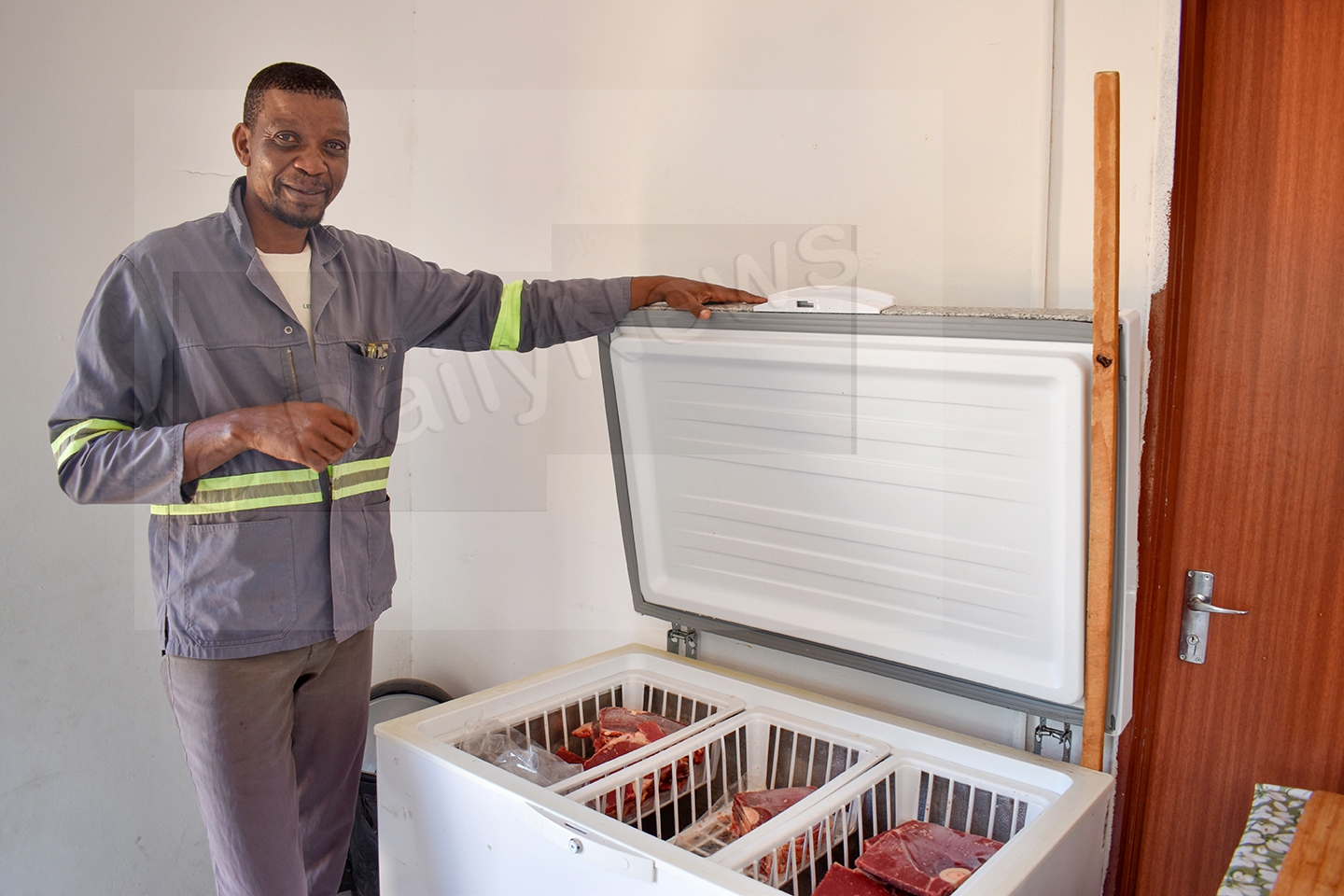
Echoing similar sentiments, Morelife Butchery owner in Magobelelo Ward, Mr Oagile Moruise, described the government’s decision as both necessary and timely, given the highly contagious nature of FMD.
“As a country that depends heavily on cattle production, it is important to take precautionary measures to protect the national herd and avoid long-term economic losses,” he said.
However, Mr Moruise said the suspension had already resulted in zero profits, making it increasingly difficult to cover operational expenses such as rent and staff wages.
He added that his business location, situated on the outskirts of the village, limited opportunities to diversify into alternative products such as spices and vegetables, which have previously proven unprofitable due to low customer traffic.
“I have been working hard to build a customer base despite the location challenges, but this disruption threatens to reverse that progress,” he said.
Mr Moruise noted that he was currently selling the last of his meat stock, after which operations would be forced to cease until the ban is lifted.
Similarly, Khale-One General Dealer owner, Ms Ketshelaone Khwae, said her business was on the verge of closure following the depletion of meat stock.
She explained that while her target market included the general public, she also occasionally supplies institutions such as Lehutshelo Junior Secondary School and Hukuntsi Primary Hospital.
Ms Khwae said attempts to source meat from Botswana Meat Commission outlets had proven unsuccessful due to distance and high procurement costs, which exceed her selling price.
“In an effort to remain operational, I have introduced grocery items, but the response has been low as most customers prefer franchised shops and wholesalers,” she said.
She warned that continued restrictions without relief measures could force small businesses like hers to shut down permanently.
While the butchery owners remain supportive of Government’s efforts to contain the disease, they emphasised the need for a balanced approach that addresses both animal health concerns and the economic survival of small enterprises.
They collectively called for expedited investigations and interventions to curb the spread of FMD, expressing hope that normal operations would resume soon before irreversible damage was done to their businesses.ENDS
Source : BOPA
Author : Thuso Kgakatsi
Location : Hukuntsi
Event : Interview
Date : 15 Apr 2026
Related News

10 Oct 2026
Feature Reliving the Long March 90 years on
09 Oct 2026