


When Cattle Fall Silent Nation Feels The Loss

12 Feb 2026
In Molepolole, a sombre weekend unfolded under tents of grief where something deeply familiar was missing, the lowing of cattle and the ritual slaughter that has for generations, marked a dignified Setswana farewell. Funerals went on. Prayers were said. Tears flowed. Pots simmered. But no beast was slaughtered.
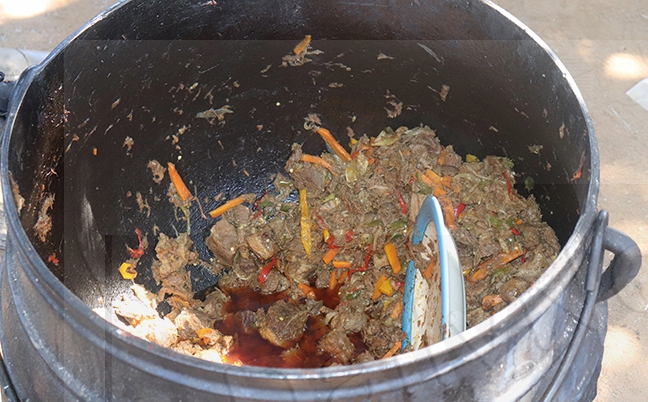
Families improvised, serving chicken, samp and beans, cabbage, soup and bogobe (thick porridge). Stomachs were filled, but hearts felt the absence. The missing beef was more than just meat, it was culture, honour and identity.
This quiet cultural disruption reflects a much larger crisis. Botswana’s cattle long regarded as a symbol of wealth, security and pride, have become frozen assets under the government’s restrictions following the recent suspected cases of Foot and Mouth Disease in the North East region.
The ban on the movement and slaughter of cloven-hoofed animals is felt far beyond farms and veterinary cordons. It has reached kitchens, funeral grounds, school lists and shop counters.
In a country where livestock is often regarded as the ‘second diamond’, the standstill feels like the nation itself is holding its breath.
“Cattle are deeply intertwined with the identity and pride of Batswana,” said Mr Marumoagae Morogolwane, an elder from Goo Ra Sune Ward, speaking during the funeral of the late Mr Baeti Lebang in Molepolole.
He explained that the deceased had been a respected livestock owner, and his herd symbolised years of hard work and perseverance.
“To bury a man like that without slaughtering his own cattle is painful,” he said. “In Setswana tradition, an elder deserves a befitting funeral. Some parts of the beast are shared with key family members like uncles and aunts. That carries deep meaning and shows the love and bond with the departed.”
He added that the size of a man’s herd traditionally reflected his status in the community, a mark of dignity that could not be fully expressed under the current restrictions.
“Regrettably, this was beyond our control. We had to comply with the law, so the family bought meat from the Botswana Meat Commission to serve mourners,” he said.
At another funeral in Goo Tshosa Ward, Mr Kefithwaemang Ratanti, shared similar sentiments.
“A funeral without beef does not feel complete,” he said quietly. “We are trying, but our hearts knows this is not how things are supposed to be. Still, we have no choice but to comply.”
In Ga Molelane Ward, the Seduledi family, who buried their grandmother on Sunday, served simpler meals of samp and beans, cabbage, soup and bogobe. The love and respect were there, but tradition had to bend.
Beyond funerals, the ban has struck at the financial backbone of many households.
In Botswana, cattle are more than livestock. They are savings, school fees, emergency funds and social security rolled into one. An old Setswana saying captures this truth. “Ka e tlhoka ka tlhoka boroko, ka nna le yone ntse ka bo tlhoka.” Even when you have cattle, you worry about them because they are your wealth and your future.
Right now, that “living bank account” cannot be accessed.
Form Three results have just been released. This should be a season of celebration and preparation as parents arrange fees, uniforms and transport for the next stage of their children’s education. Instead, many families are trapped.
Ms Lorato Mokone of Lekgwapheng Ward said she had planned to sell cattle to cover her child’s school needs.
“Now I cannot move or sell them,” she said. “They are there, but they cannot help me. Everything needs money, uniforms, toiletries, transport. I don’t know where I will get it.” She said.
Her situation reflects that of many households already strained by a tough economy, rising costs and limited job opportunities.
The ripple effects are also being felt in the meat industry.
Butcheries that depend on a steady flow of cattle have seen business slow sharply. Some have closed temporarily. Workers have been sent home without pay.
Mr Malebogo Molepolole of All Agric Sales Butchery in Boribamo Ward said the impact had been severe.
“It is like the heartbeat of our business has stopped,” he said. “Without cattle moving and being slaughtered, there is very little beef to sell.”
He explained that many butcheries had turned to alternative proteins like chicken, but increased demand has pushed prices up.
“Now even chicken is becoming expensive. Customers are struggling and we are struggling too,” he said.
For many families, beans and vegetables have become the main source of protein as they stretch already thin budgets.
Acting District Agricultural coordinator, Dr Leano Sethong, said in Kweneng, veterinary officers and law enforcement teams were working together to enforce the regulations and prevent the spread of the disease.
“These measures are necessary to protect our national herd and the long-term future of the livestock industry,” he said, urging the public to cooperate.
But as days turn into weeks, the emotional and economic strain continues to build.
Across the affected zones, kraals remain full but pockets are empty. Parents stare at school requirements they cannot yet afford. Butchers stand behind quiet counters. Families mourn loved ones without the full comfort of custom.
What began as a veterinary emergency has grown into a social and cultural pause, a moment where tradition, livelihood and dignity all hang in the balance.
For now, Batswana wait. They adapt, they endure, and they hope that soon the gates will open again and with them, the return of a way of life where cattle once again provide not only food, but pride, security and belonging. BOPA
Source : BOPA
Author : Lindi Morwaeng
Location : Molepolole
Event : Interview
Date : 12 Feb 2026
Related News


10 Oct 2026
Feature Reliving the Long March 90 years on

09 Oct 2026