



Indigenous knowledge source of life
11 Feb 2014
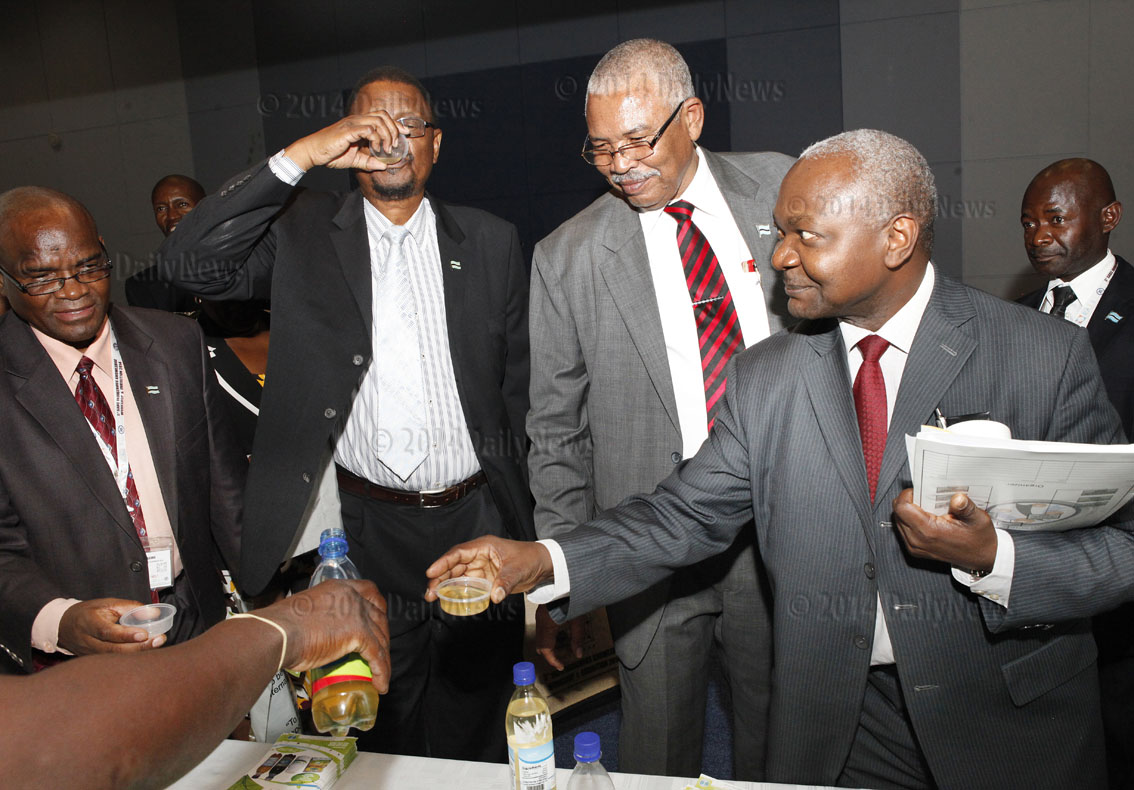
Indigenous knowledge has improved and sustained people’s lives as a source of food, medicine and household technologies, among other things, the Minister of Infrastructure, Science and Technology, Mr Johnie Swartz has said.
Officially opening the fifth Southern African Development Community (SADC) Indigenous Knowledge Systems workshop in Gaborone on February 10, Mr Swartz said Indigenous knowledge or local knowledge was still relevant and pivotal to the development of nations worldwide.
Minister Swartz said as much as countries desired to become knowledge economies, there was need for acknowledgement of the significant contribution of indigenous knowledge holders to the development of global knowledge, especially in the area of food and medicine.
Indigenous knowledge and its associated systems, Mr Swartz said, defined who people were and where they came from. In as much as indigenous knowledge systems were continuously developed and adapted to the changing environment, the minister said these systems were still its people’s pride and heritage that had been passed from generation to generation.
Despite its critical role in people’s lives, Mr Swartz said developmental pressure had adversely affected IKS status and confined it to small sections of communities, resulting in its rejection and disregard.
“The sad reality is trying to analyse and validate indigenous knowledge systems using scientific criteria risks to distort such systems in the process,” he said.
He also indicated that limited research activities and usefulness of the products of indigenous knowledge, tended to impede its recording and documentation. Benefit sharing and intellectual property protection of traditional knowledge was also a major challenge since no one could claim its ownership, he said.
African indigenous knowledge principles and values, Mr Swartz said, had suffered from modernity, introduction of western style education, world religions, modern infrastructure and modern communication facilities.
He, however, said through some networking institutions such as Southern African Network for Biosciences (SANBio), some resources would be shared and collaboration strengthened in developing IKS.
He implored development strategists to modify their approaches in designing and implementing development strategies and programmes to ensure incorporation of indigenous knowledge and involvement of knowledge holders.
He urged workshop attendants to craft regulatory frameworks that did not disenfranchise indigenous knowledge holders and custodians.
“The need for policy and institutional reforms is urgent as countries in the region continue to struggle to develop appropriate and adequate policies that will nurture the promotion and protection of IKS.” ENDS
Source : BOPA
Author : Segametsi Kebonang
Location : GABORONE
Event : Indigenous Knowledge Systems workshop
Date : 11 Feb 2014
Related News
03 Apr 2026
Government provides relief on fuel costs

01 Apr 2026
Blue Diamond sign of Botswana uniqueness
01 Apr 2026