


Watch out for toxic plants
23 Jan 2025
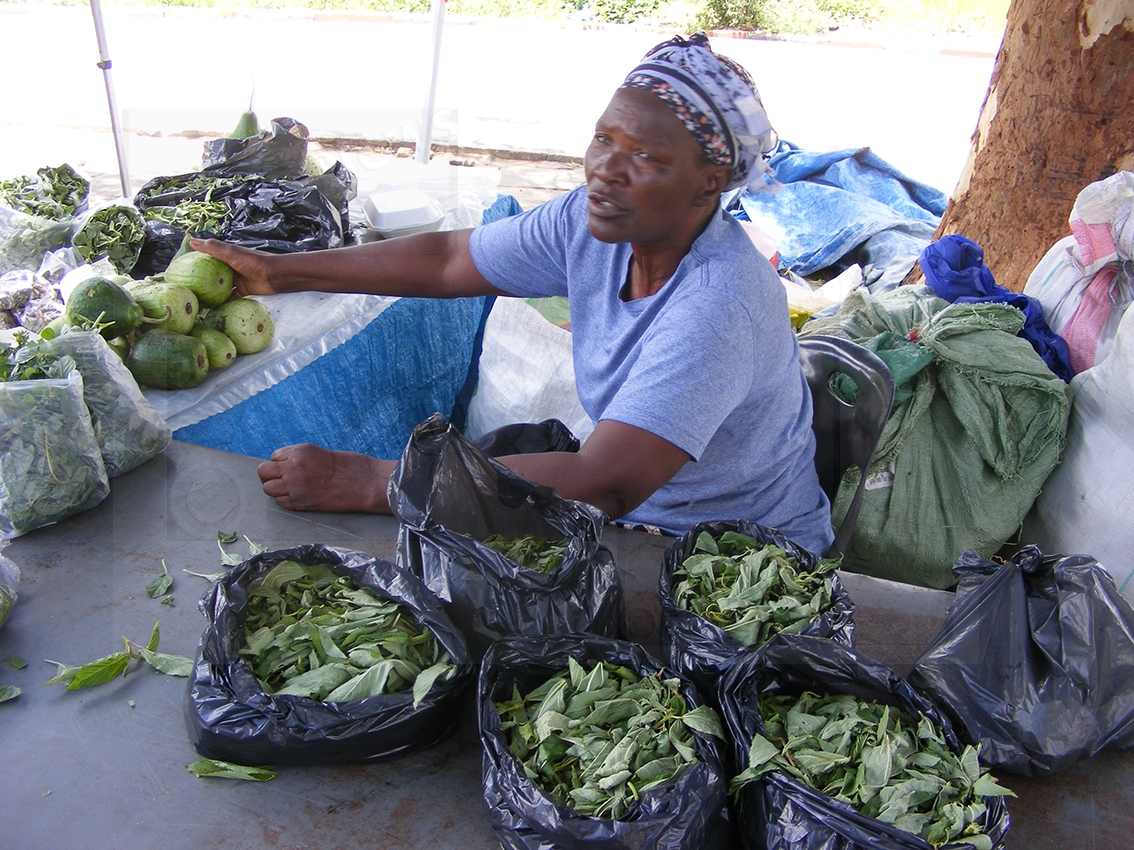
The rainy season brings an abundance of wild vegetables, including popular favourites like Thepe (Amaranth plant/English spinach), Delele, and Rothwe.
However, lurking amongst these edible plants are toxic look-alikes, posing a significant risk to harvesters who may accidentally harvest and consume them.
This danger was tragically highlighted by the recent deaths of two people in Palapye, who reportedly ingested a poisonous plant they mistook for thepe.
The incident, which quickly spread on social media, has prompted urgent warnings from experienced harvesters.
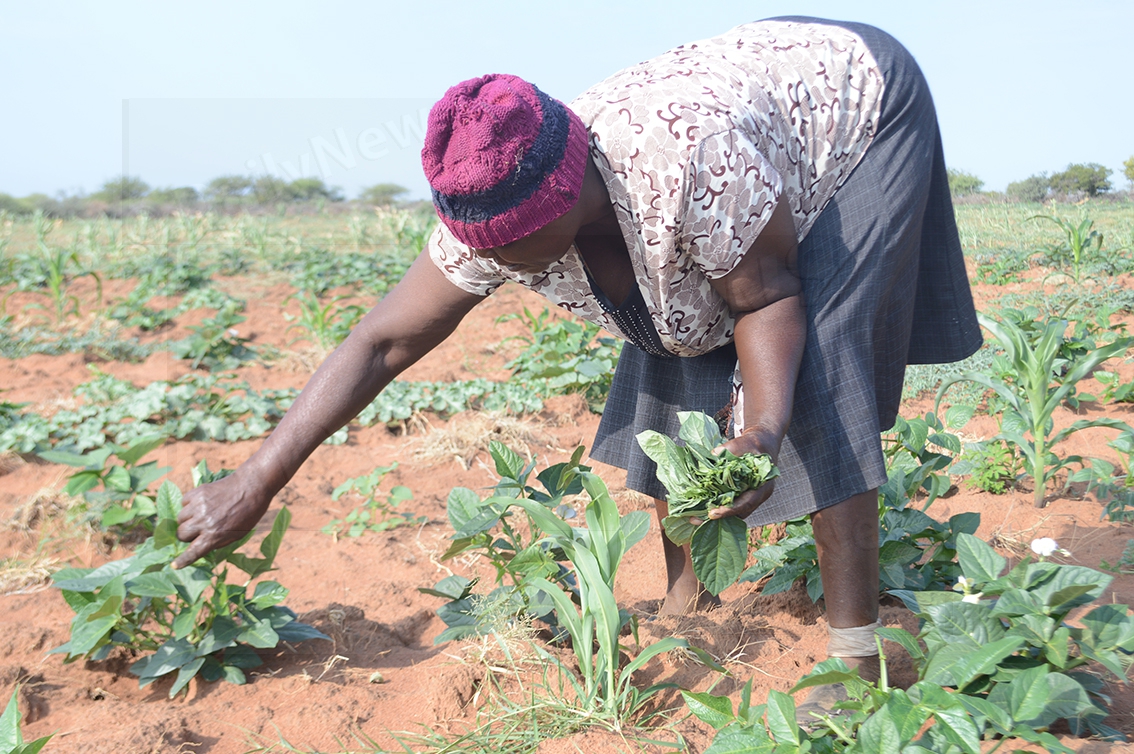
Ms Bapesi Keabile, a Ditladi farmer with two decades of experience harvesting indigenous vegetables, emphasised the critical need for careful identification.
“Many toxic plants closely resemble edible ones. Thepe leaves, for example, can be virtually indistinguishable from certain poisonous species, leading to serious illness or even death if consumed,” she noted.
Citing the Palapye tragedy, Ms Keabile detailed her own preventative measures.
She said that she planted the vegetables she harvested in her own garden to eliminate the risk of accidental harvesting of toxic plants.
“This significantly reduces my risk. I could easily harm people if I am not careful,” she stated.
She strongly advised harvesters to thoroughly examine each plant, leaves, stems, and other identifying features, before harvesting.
Crucially, she emphasised harvesting only during daylight hours for optimal visibility and clear identification.
“Never harvest in the dark. Morning is best, when leaves are fresh and easily identifiable," she stressed.
She also stressed the importance of familiarity with indigenous plants, urging harvesters to cross-check their identifications to avoid potential fatal errors.
“Know what you are harvesting. Otherwise you are taking a dangerous gamble,” she warned.
Another harvester of indigenous vegetables, Ms Belinda Nkomazana, echoed the same sentiments, emphasising her own preventative measures of planting known safe varieties to ensure the safety of her products.
She also stressed the importance of meticulous plant identification to prevent accidental harm to customers.
While authorities were yet to release an official statement regarding the Palapye incident, the deaths had served as a stark reminder of the potential dangers of wild plant harvesting.
Ms Nkomazana explained that the two deaths highlighted the danger of mistaking toxic plants for edible indigenous vegetables. The incident, which went viral on social media, has prompted warnings from experienced harvesters urging caution and vigilance. ENDS
Source : BOPA
Author : Lefika Maruping
Location : Francistown
Event : Interview
Date : 23 Jan 2025
Related News




16 Oct 2026